FREE SHIPPING OVER $50
Dietitians Say These 5 Longevity Supplements Are Wasted If You Take Them on an Empty Stomach (No. 3 Surprised Me)

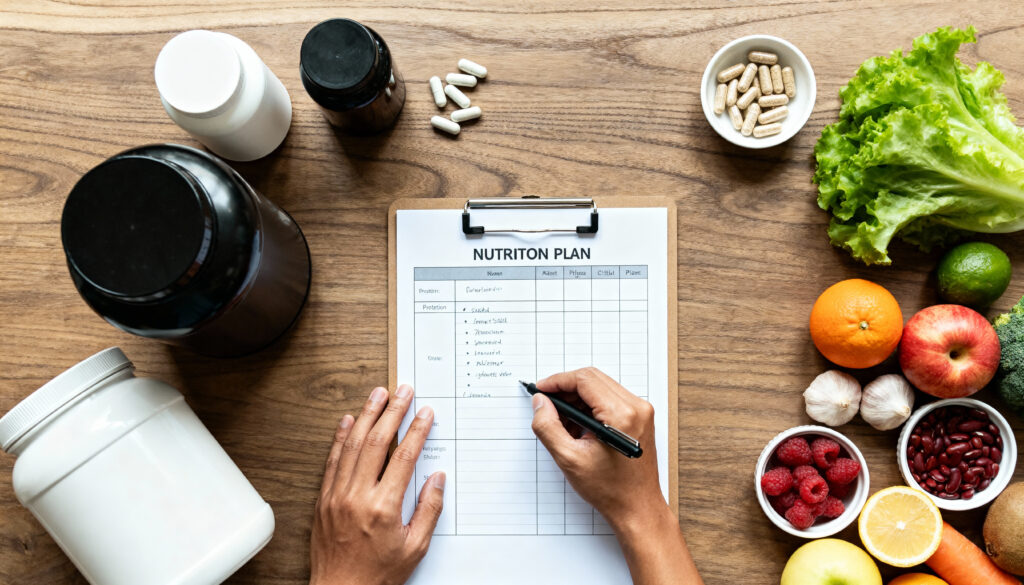
Popping your daily handful of longevity vitamins and antioxidant capsules with a glass of water first thing in the morning feels like an efficient, healthy habit, but clinical dietitians warn that you might be flushing your expensive regimen straight down the drain. While hydration on an empty stomach is fantastic, many of the most popular anti-aging supplements on the market are completely fat-soluble or require active digestive enzymes to be properly absorbed by your intestinal lining. If you ingest these compounds without dietary fats or food matrixes, your digestive tract simply cannot break them down, rendering your daily wellness routine far less effective than you think. Understanding which longevity supplements demand a meal allows you to optimize your nutrient uptake and get the absolute maximum value from every single capsule you take.
The Biological Science of Nutrient Absorption
To understand why timing matters so much, you have to look at how your small intestine processes different compounds. Water-soluble vitamins dissolve easily in bodily fluids and pass directly into your bloodstream, but fat-soluble compounds behave entirely differently.
When you consume fat-soluble nutrients, your gallbladder releases bile acids and pancreatic enzymes into your small intestine to break the fats down into tiny droplets called micelles.
These micelles act as biological taxicabs, ferrying your longevity supplements across the intestinal wall and into your lymphatic system.
Without dietary fat present in your stomach to trigger bile release, fat-soluble molecules pass through unabsorbed.
Furthermore, taking certain potent plant extracts on an empty stomach can cause intense gastric irritation, nausea, and rapid elimination.
At a Glance: Empty Stomach vs. Taken With a Meal
Comparing how your body processes longevity compounds on an empty stomach versus alongside a meal highlights why meal timing dictates supplement efficacy.
| Supplement Type | Absorption on an Empty Stomach | Absorption With a Meal | Optimal Dietary Pairing |
| Fat-Soluble Vitamins (D3 & K2) | Less than 20% uptake | 90% or higher uptake | Healthy fats like avocado, eggs, or olive oil |
| Coenzyme Q10 (CoQ10) | Extremely poor bioavailability | Maximized micelle formation | Fat-containing meal or yogurt |
| Curcumin (Turmeric Extract) | Rapidly metabolized and excreted | Enhanced up to 2000% | Dietary fat plus black pepper (piperine) |
| Omega-3 Fish Oils | Causes gastric reflux & poor uptake | Smooth digestion and complete uptake | Main meals with protein and healthy lipids |
The 5 Longevity Supplements Wasted on an Empty Stomach
Registered dietitians emphasize that these five specific anti-aging and longevity supplements require a food matrix to unlock their true cellular benefits:
1. Coenzyme Q10 (CoQ10)
CoQ10 is a legendary mitochondrial powerhouse known for supporting cellular energy production and protecting cardiovascular health. However, CoQ10 is a large, highly fat-soluble molecule that cannot dissolve in water. Taking your CoQ10 capsule with a glass of water on an empty stomach means your body struggles to absorb it. Always pair your morning or afternoon CoQ10 dose with a meal containing healthy fats like eggs, nuts, or avocado.
2. Vitamin D3
Often referred to as the sunshine vitamin, Vitamin D3 plays a critical role in immune modulation, bone density, and long-term longevity. Despite its massive health benefits, D3 is strictly fat-soluble. Studies show that taking Vitamin D3 with a fat-containing meal increases its absorption by over 50 percent compared to taking it with water alone.
3. Curcumin (The One That Surprised Me)
As the active compound in turmeric, curcumin is celebrated for its powerful anti-inflammatory and longevity-supporting properties. When researchers look at raw curcumin powder, its bioavailability is notoriously dismal because the liver breaks it down before it ever reaches systemic circulation. Discovering that curcumin requires both dietary fat and black pepper extract (piperine) to unlock its full absorption potential was a massive surprise. Taking plain turmeric capsules on an empty stomach essentially neutralizes its health benefits entirely.
4. Vitamin K2
Vitamin K2 works in perfect synergy with Vitamin D3, directing calcium away from your arterial walls and straight into your bones where it belongs. Because K2 is also fat-soluble, swallowing it without food leaves it unabsorbed in your digestive tract. Taking K2 alongside a nutrient-dense lunch or dinner ensures your cardiovascular system receives optimal protection against arterial calcification.
5. Omega-3 Fish Oil Softgels
While technically a dietary oil rather than a traditional dry pill, fish oil is one of the most widely consumed longevity supplements in the world. Taking fish oil softgels on an empty stomach frequently triggers unpleasant side effects like fishy burps, acid reflux, and nausea. Pairing your fish oil with a complete meal allows digestive enzymes to emulsify the oils smoothly, preventing discomfort while ensuring your cell membranes absorb those vital EPA and DHA fatty acids.
Common Supplement Timing Mistakes to Avoid
Steering clear of these everyday routine errors ensures your longevity investment actually pays off at the cellular level:
Mistake 1: Washing Everything Down With Just Water
Taking a mix of water-soluble and fat-soluble supplements with a glass of plain water and zero food creates a missed biological opportunity for your fat-soluble compounds. Always review your supplement labels to identify which ones require meals.
Mistake 2: Stacking All Supplements Into One Morning Pill Box
Swallowing ten different supplements at 7:00 AM on an empty stomach overwhelms your digestive lining and leads to poor absorption. Spread your fat-soluble supplements across your lunch and dinner meals for optimal uptake.
Related Articles
- Experts Say These 9 Habits Separate Women Who Age Gracefully From Those Who Don’t—Most Midlife Women Miss Them
- I’m a Dermatologist—Collagen vs. Hyaluronic Acid: One Rebuilds Youthful Skin, the Other Only Plumps It Temporarily (Here’s Which to Choose)
- The Dehydration Sign 90% of People Miss—It’s Quietly Aging Your Skin, Brain, and Joints. Here’s the Fix.
- Doctor’s Urgent Warning: Your Shower Habit is Secretly AGING Your Skin!
- Forget Pills: A New Study Says This Daily Walk Secret Will Make You Feel 10+ Years Younger