FREE SHIPPING OVER $50

Doctors Say These Overlooked Exercises Lower Prostate Risk—And Most Men Over 40 Never Do Them

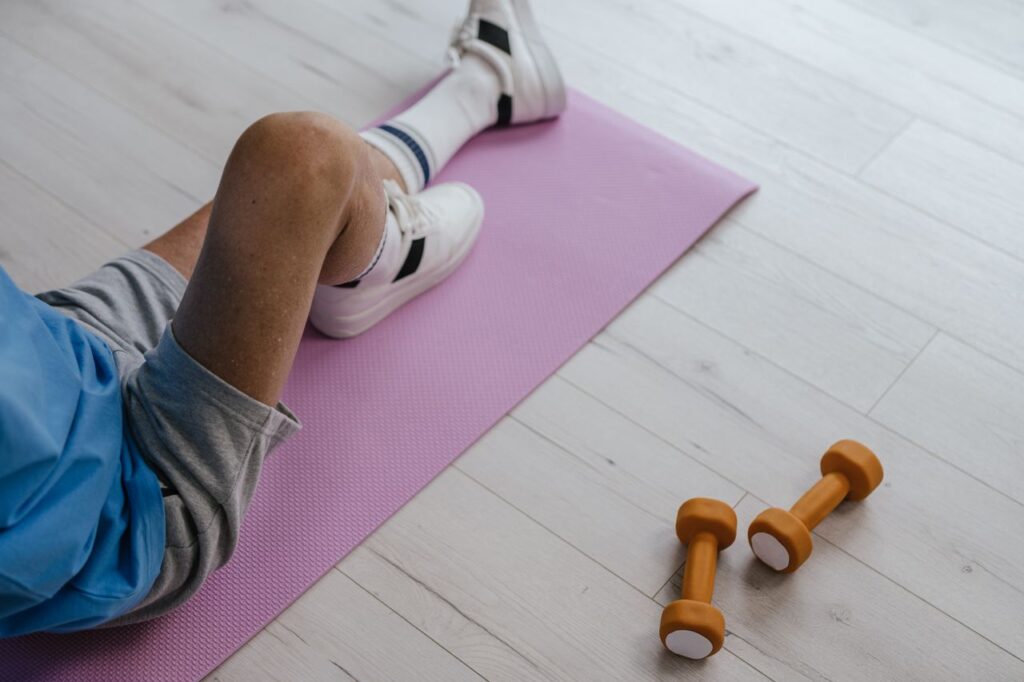
Waking up two or three times in the middle of the night to use the bathroom is a frustrating reality that millions of men silently accept as an unavoidable milestone of getting older. While mainstream health conversations for men over 40 focus heavily on blood pressure checks, cholesterol panels, and testosterone levels, very few lifters ever talk about the internal muscle group guarding their urinary and prostate health. Urologists and men’s health specialists emphasize that weak pelvic floor muscles and a dormant lower core directly contribute to bladder pressure, poor urinary flow, and elevated risk factors for prostate enlargement. Fortunately, protecting this vital area does not require heavy gym machinery or expensive medical gear. Incorporating a few simple, targeted floor exercises into your weekly routine strengthens your internal support system, improves local pelvic circulation, and helps keep your prostate and bladder functioning smoothly as you age.
The Biological Connection: How Pelvic Muscles Support Prostate Health
To understand why specific floor movements lower prostate risks, you have to look at the structural mechanics of your lower abdomen.
The prostate gland is a walnut-sized organ surrounding the urethra, sitting right below the bladder and directly resting on the pelvic floor muscle sling.
As men age, natural hormonal shifts can cause benign prostate tissue growth, while sedentary desk jobs and lack of specific training cause the surrounding pelvic muscles to weaken and sag.
When these supporting muscles lose their tone, the bladder drops slightly, placing chronic downward pressure on the prostate and squeezing the urinary tract.
Physiological studies demonstrate that targeted pelvic floor contractions—often referred to as male Kegels—alongside deep core stabilization exercises increase localized blood flow across the pelvic bowl.
Enhanced circulation delivers fresh oxygen and immune cells to pelvic tissue while clearing cellular metabolic waste, actively reducing localized tissue inflammation and improving urinary control.
“Pelvic floor strength is not just for women. Men who train their lower core and pelvic bowl maintain far better urinary flow and prostate support over their lifetime.”
At a Glance: Standard Fitness Routines vs. Pelvic-Focused Prostate Protocols
Comparing standard weight training against a targeted pelvic health routine reveals why general gym work often leaves lower pelvic muscles neglected.
| Training Parameter | Standard Weightroom Routine | Targeted Prostate & Pelvic Floor Protocol |
| Primary Muscle Focus | Quads, chest, biceps, and superficial abs | Deep pelvic floor, levator ani, & transverse abdominis |
| Intra-Abdominal Pressure | High; heavy lifting can force pressure downward | Regulated; coordinates breathing to lift pelvic structures |
| Pelvic Circulation Impact | Moderate; broad lower-body blood flow | High; directly surges oxygenated blood through the pelvic bowl |
| Nighttime Bathroom Trips | Minimal direct impact on urinary urgency | High reduction; improves bladder emptying & sphincter control |
| Longevity & Support | Protects joints and outer skeletal frame | Shields internal organ alignment & preserves urinary confidence |
4 Overlooked Exercises That Lower Prostate Risk
Adding these four simple, low-impact movements to your daily schedule builds a resilient pelvic foundation and relieves unwanted organ pressure:
1. The Male Pelvic Floor Contraction (Male Kegels)
Find a comfortable seated or lying position, relax your thighs and glutes, and focus on contracting the internal muscles you use to stop the flow of urine mid-stream.
Draw those internal muscles inward and upward toward your chest, holding the contraction firmly for 3 to 5 seconds before releasing completely.
Perform 10 to 12 controlled reps, ensuring you breathe normally throughout without holding your breath or squeezing your buttocks.
Building tone in the levator ani muscle group provides direct mechanical support underneath the prostate gland, preventing sagging and improving bladder control.
2. Supported Glute Bridges with Pelvic Squeeze
Lie flat on your back with your knees bent, feet planted flat on the floor hip-width apart, and arms resting at your sides.
Drive through your heels to raise your hips toward the ceiling until your body forms a straight line from your knees to your shoulders.
At the top of the bridge, contract your glutes and pull your pelvic floor muscles upward, holding for a 2-second count before slowly lowering back down.
Completing 12 to 15 reps strengthens your posterior chain while training your pelvic floor to engage under load, relieving pressure on your lower abdomen.
3. Seated Pelvic Tilts and Rocking
Sit upright on the edge of a firm chair or exercise ball with your spine tall and your feet flat on the floor.
Gently rock your pelvis backward, tucking your tailbone under and lightly rounding your lower back, then slowly tilt your pelvis forward to arch your lower spine naturally.
Repeat this smooth rocking motion for 15 to 20 continuous repetitions.
This subtle movement massages deep pelvic tissue, releases tightness in the hip flexors, and encourages fresh blood circulation around the prostate region.
4. Deep Diaphragmatic Abdominal Breathing
Lie down flat on your back with one hand on your chest and the other on your lower belly.
Inhale slowly through your nose for a 4-second count, allowing your belly to expand outward like a balloon while keeping your chest completely still.
Exhale slowly through your mouth for 6 seconds, feeling your stomach fall as your pelvic floor naturally lifts and relaxes.
Deep belly breathing drops intra-abdominal pressure, calms your central nervous system, and prevents chronic muscle tension inside your pelvic floor.
How Urologists Recommend Structuring This Routine
Integrating pelvic floor work into your routine works best when kept simple and consistent:
- Practice Daily Morning Sets: Perform your pelvic contractions and deep belly breathing for 5 minutes right after waking up or before getting out of bed.
- Combine with Lower-Body Workouts: Add glute bridges and pelvic tilts into your warm-up routine prior to walking, cycling, or lifting weights.
- Focus on Quality over Speed: Squeezing internal muscles too fast causes outer muscles like the inner thighs to take over. Keep your contractions slow, deep, and fully controlled.
2 Common Pelvic Training Mistakes Men Make
Steering clear of these frequent execution errors ensures your training remains effective and safe:
Mistake 1: Holding Your Breath During Contractions
Bearing down or holding your breath while squeezing your pelvic floor increases pressure inside your abdomen, pushing your organs downward instead of lifting them up. Always exhale smoothly during the squeeze and inhale during the relaxation phase.
Mistake 2: Pushing Downward Instead of Pulling Inward and Upward
Some men accidentally push down as if straining during a bowel movement. Pushing downward stretches and weakens pelvic connective tissue over time; focus strictly on a gentle upward pulling sensation toward your belly button.
Related Articles
- A Neurologist Lists the Unique Vascular Dementia Symptoms Every Woman Over 60 Should Know (Don’t Miss #3)
- Men Over 40: This Overlooked Nutrient Matters More Than Protein or Testosterone and Most Fall Short, Say Dietitians
- The Joint Supplement in Your Medicine Cabinet Could Be Speeding Up Dementia, According to a Shocking New Study
- Loneliness After 60 Is Optional: 15 Apps That Build a Thriving Social Life (No Grandkids Needed)
- Forget Collagen and NAD+: This Cheap Supplement Is What Women Over 40 Should Actually Be Taking
- The #1 Preventable Killer After 50 (And Why Your Doctor Might Not Be Testing for It)