FREE SHIPPING OVER $50

I’m a Dermatologist—Collagen vs. Hyaluronic Acid: One Rebuilds Youthful Skin, the Other Only Plumps It Temporarily (Here’s Which to Choose)

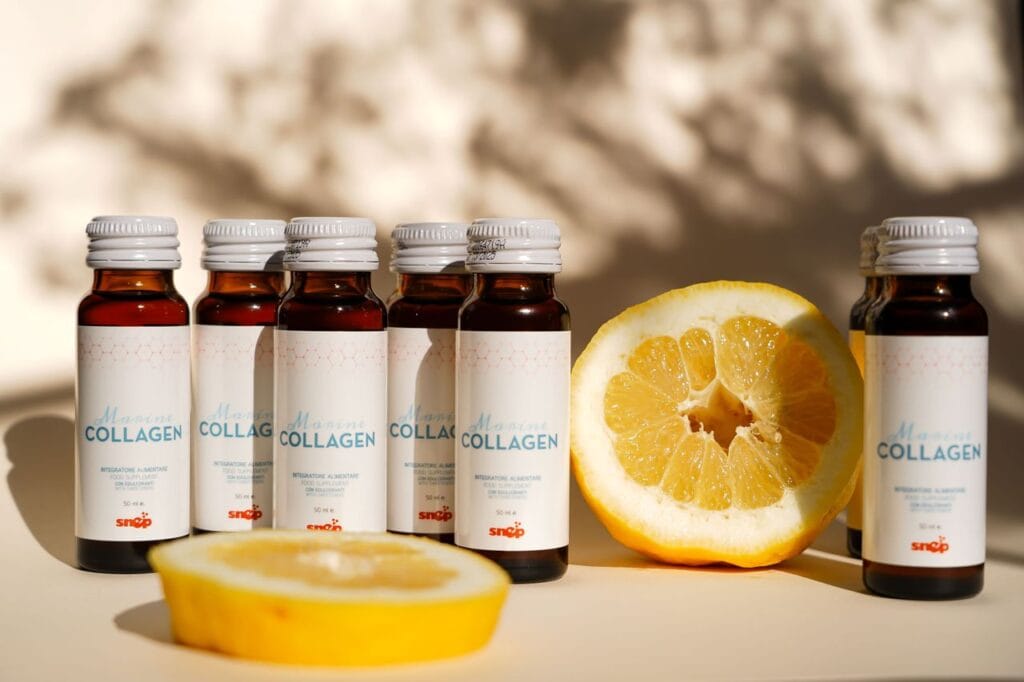
If you look closely at your skincare shelf, chances are you own at least one bottle promising to erase fine lines, restore firmness, and bring back that fresh-faced glow you had a decade ago. However, most people splash money on trending ingredients without realizing that collagen and hyaluronic acid serve completely different biological functions inside your skin.
Understanding the Architecture of Aging Skin
To understand why your skin changes over time, you first need to look below the surface. Your skin consists of three main layers, but the middle layer—the dermis—holds the secret to a youthful appearance. The dermis acts as a biological mattress, giving your face its thickness, bounce, and resilience.
Starting in your mid-twenties, your body naturally slows down its production of vital structural proteins. In fact, you lose roughly one percent of your native collagen every single year after age twenty-five. Environmental stress, ultraviolet light exposure, and poor sleep accelerate this decline significantly.
As structural proteins degrade, two distinct signs of aging emerge on your face. First, the skin loses its underlying density, leading to visible sagging and deep structural wrinkles. Second, the skin loses its moisture-retention capacity, resulting in dullness, rough texture, and fine surface lines. Addressing both issues requires choosing ingredients based on how they interact with skin tissue.
Collagen: The Biological Scaffold That Rebuilds Youthful Skin
Collagen is the most abundant protein in the human body, accounting for nearly eighty percent of your skin’s dry weight. Think of collagen fibers as delicate steel cables tightly woven together inside your dermis. These fibers maintain skin firmness, support elastic tissue, and hold your facial contours high against gravity.
When people talk about rebuilding youthful skin from a cellular level, collagen is the primary driver. However, applying topical collagen creams rarely yields deep structural results. Whole collagen molecules possess a molecular weight of around three hundred thousand Daltons, whereas your skin barrier only allows molecules under five hundred Daltons to penetrate deeply.
How Oral Collagen Peptides Work Inside Your Body
Because topical collagen molecules are too large to pass through the epidermis, dermatologists emphasize hydrolyzed collagen peptides taken orally. Manufacturers break full-length collagen proteins down into tiny bioavailable peptides through enzymatic hydrolysis. These bioactive peptides survive digestion, enter your bloodstream, and reach the dermis directly.
Once inside the dermal layer, these peptides trigger specialized cells called fibroblasts. Fibroblasts act as the manufacturing factories of your skin. When bioactive peptides bind to fibroblast receptors, they send a false alarm signal that collagen breakdown has occurred. In response, your fibroblasts start working over time to produce new collagen, elastin, and native hyaluronic acid.
Clinical trials demonstrate that consistent daily intake of hydrolyzed collagen produces noticeable structural benefits:
- Increases dermal collagen density within eight to twelve weeks of daily use.
- Improves overall skin elasticity and firmness around the jawline and cheeks.
- Reduces the depth of stubborn crow’s feet and nasolabial folds.
- Strengthens the skin’s microvascular network for better nutrient delivery.
Hyaluronic Acid: The Ultimate Hydrator That Plumps on Demand
While collagen supplies structural strength, hyaluronic acid provides volume and hydration. Hyaluronic acid is a naturally occurring sugar molecule—specifically a glycosaminoglycan—found throughout your skin, joints, and eyes. It acts like a powerful biological sponge inside your tissue.
A single gram of hyaluronic acid can hold up to six liters of water. When your skin maintains optimal hyaluronic acid levels, it looks luminous, smooth, and supple. Unfortunately, internal hyaluronic acid has an extremely rapid turnover rate, degrading in your skin in less than twenty-four hours.
The Immediate Plumping Effect of Topical Serums
Topical hyaluronic acid serums enjoy massive popularity because they deliver almost instant gratification. When you apply a well-formulated hyaluronic acid serum to damp skin, the molecules immediately attract ambient water vapor and surface moisture.
This rapid influx of moisture expands the upper skin cells, creating a visible plumping effect within minutes. Consequently, superficial dehydration lines around your eyes and mouth temporarily smooth out. However, this cosmetic swelling is temporary. Topical hyaluronic acid sits primarily on the surface layer, hydrating the epidermis without altering the structural collagen scaffolding underneath.
Collagen vs. Hyaluronic Acid: Direct Comparison
Understanding the exact differences between these two skincare heavyweights helps you build a smarter anti-aging regimen. The table below highlights how collagen and hyaluronic acid perform across key biological metrics.
| Feature / Metric | Collagen (Oral Peptides) | Hyaluronic Acid (Topical Serum) |
| Primary Biological Role | Structural firmness & elasticity | Surface hydration & temporary plumping |
| Target Skin Layer | Deep Dermis | Outer Epidermis |
| Primary Mechanism | Stimulates fibroblast protein synthesis | Binds water molecules up to 1000x its weight |
| Speed of Visible Results | 8 to 12 weeks of consistent use | 5 to 15 minutes post-application |
| Duration of Effects | Long-lasting structural remodeling | 12 to 24 hours (requires daily reapplication) |
| Best Delivery Method | Oral powders or liquids (2,000–5,000 Daltons) | Topical serums applied to damp skin |
Topical vs. Oral Delivery: How to Choose the Right Form
To maximize your anti-aging investment, you must deliver each ingredient in the exact form your body can utilize effectively. Choosing the wrong delivery method leads to wasted money and disappointing results.
The Problem with Topical Collagen Creams
Many luxury skincare brands market rich creams packed with collagen proteins. While these creams feel moisturizing on dry skin, the collagen molecules remain trapped on top of the stratum corneum. They function as decent surface emollients, but they cannot migrate deep enough to rebuild sagging dermal architecture. Therefore, skip expensive topical collagen creams and prioritize oral hydrolyzed peptides instead.
Optimizing Topical Hyaluronic Acid
Topical hyaluronic acid works exceptionally well, provided you apply it correctly. Standard hyaluronic acid serums contain high molecular weight molecules that sit on the surface to prevent transepidermal water loss. Advanced formulations mix high, medium, and low molecular weights to hydrate multiple epidermal depth layers.
Always apply your hyaluronic acid serum onto damp skin immediately after cleansing. If you apply hyaluronic acid to completely dry skin in a low-humidity environment, the molecule may pull water out of your deeper skin layers instead of drawing it from the air, leaving your face feeling drier than before. Always seal your serum with a quality moisturizer to lock that water inside.
The Emerging Science of Oral Hyaluronic Acid
While topical hyaluronic acid hydrates the surface, oral hyaluronic acid supplements are gaining significant scientific backing. Clinical studies show that ingesting 120 to 240 milligrams of low-molecular-weight hyaluronic acid daily increases skin moisture content from the inside out. The ingested molecules pass through the intestinal wall and distribute to connective tissues, helping your dermis retain water more effectively alongside your collagen network.
How to Combine Both Ingredients for Maximum Longevity Results
You do not have to choose strictly between collagen and hyaluronic acid because they work synergistically inside a comprehensive longevity routine. Collagen rebuilds the structural frame, while hyaluronic acid fills that frame with essential moisture.
- Morning Topical Hydration: Apply a multi-molecular weight hyaluronic acid serum to damp skin every morning. Follow immediately with a ceramide-rich moisturizer and a broad-spectrum sunscreen to protect your existing collagen from UV degradation.
- Daily Internal Rebuilding: Take 5 to 10 grams of hydrolyzed collagen peptides daily in your morning coffee, tea, or smoothie. Look for products containing Type I and Type III collagen derived from grass-fed bovine or wild-caught marine sources.
- Synergistic Co-Factors: Pair your oral collagen with at least 80 milligrams of Vitamin C. Vitamin C acts as an essential cofactor for the enzymes responsible for linking collagen amino acids together during protein synthesis.
- Evening Barrier Support: Use proven cellular-turnover ingredients like retinoids or glycolic acid at night to boost native cell renewal, creating a smooth surface that absorbs hydration effortlessly.
Related Articles
- The Dehydration Sign 90% of People Miss—It’s Quietly Aging Your Skin, Brain, and Joints. Here’s the Fix.
- Doctor’s Urgent Warning: Your Shower Habit is Secretly AGING Your Skin!
- Forget Pills: A New Study Says This Daily Walk Secret Will Make You Feel 10+ Years Younger
- Stop the Clock: This Protein Hack Might Be The Key to Aging Backwards
- Defy Your Age: Japanese Men’s Strict Routines That Made One Look Younger Than a Decade Ago