FREE SHIPPING OVER $50

Experts Say These 9 Habits Separate Women Who Age Gracefully From Those Who Don’t—Most Midlife Women Miss Them

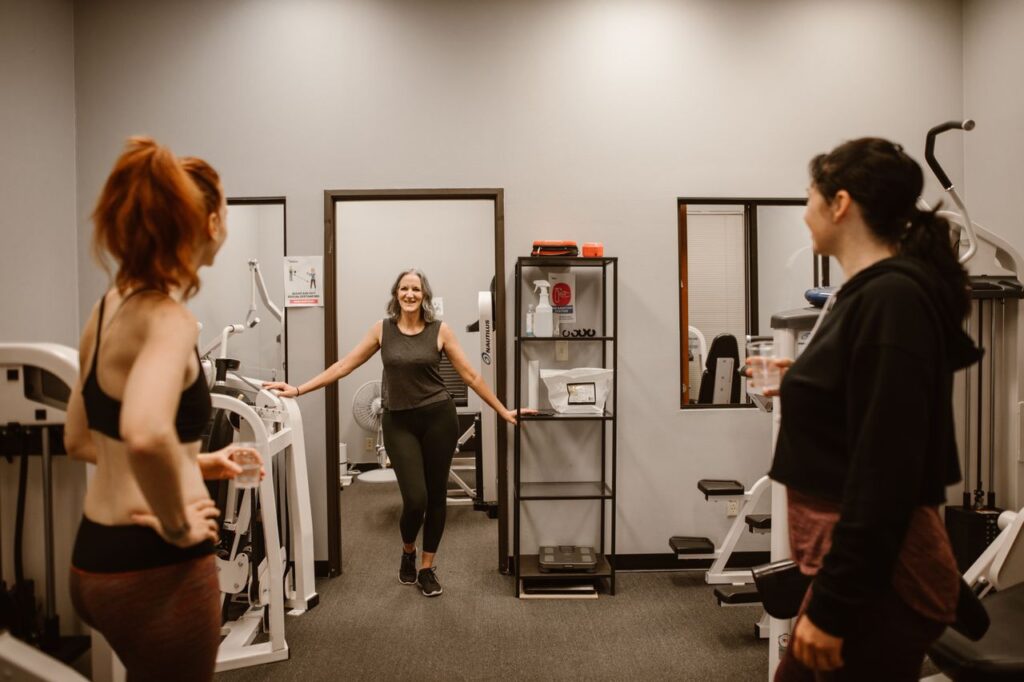
Navigating midlife often feels like your body’s rulebook changed overnight, yet the gap between women who age with vibrant energy, smooth skin, and sharp mental clarity and those who feel constantly exhausted comes down to specific daily choices rather than genetic luck. As estrogen levels naturally shift during perimenopause and midlife, systemic inflammation rises, muscle tissue breaks down faster, and metabolic rate slows down. Fortunately, leading longevity researchers and preventative medicine doctors emphasize that incorporating targeted cellular health habits into your daily routine can dramatically slow your biological clock, protect bone density, and preserve metabolic health. Here are the nine expert-approved habits that separate women who age gracefully from those who struggle—and how to fix the crucial steps most midlife women miss.
The Science of Biological Age vs. Chronological Age
To understand why two women of the exact same birthday can look and feel two decades apart, you have to look at the difference between chronological age and biological age. Chronological age simply measures how many times the Earth has orbited the sun since you were born, whereas biological age measures the actual health and functionality of your cells, tissues, and organ systems.
Scientists measure biological aging through cellular markers such as telomere length, DNA methylation patterns, and systemic inflammatory markers like high-sensitivity C-reactive protein.
As women enter midlife, declining estrogen levels accelerate bone turnover and decrease collagen synthesis.
However, adopting protective lifestyle habits provides a powerful buffer that slows down telomere shortening, keeps cell powerhouses known as mitochondria functioning efficiently, and preserves youthfulness from the inside out.
“Genetics set the baseline, but daily lifestyle choices dictate your biological pace. Protecting your cellular health in midlife allows you to look, move, and feel decades younger than your calendar age.”
At a Glance: The 9 Midlife Longevity Habits
Comparing these core longevity habits side-by-side highlights how targeted daily actions protect your body against biological wear and tear.
| Longevity Habit | Primary Health Target | Most Common Missed Step |
| 1. Heavy Resistance Training | Preserves lean muscle mass & bone density | Sticking exclusively to light cardio and skipping heavy weights |
| 2. Optimal Protein Timing | Drives muscle protein synthesis & satiety | Skimping on protein at breakfast and eating it all at dinner |
| 3. Zone 2 Cardio | Supercharges mitochondrial efficiency | Exercising in the “gray zone” of medium intensity without steady cardio |
| 4. Deep Sleep Architecture | Clears brain waste & repairs cellular DNA | Inconsistent sleep schedules and late-night screen exposure |
| 5. Blood Sugar Stabilization | Prevents collagen glycation & insulin resistance | Eating “naked” carbohydrates without fiber, protein, or healthy fats |
| 6. Bone Density Nutrition | Prevents osteopenia & silent fractures | Taking calcium alone without crucial partners like vitamin K2 and D3 |
| 7. Targeted Stress Down-Regulation | Lowers chronic cortisol & protects telomeres | Treating relaxation as an afterthought instead of a daily physiological need |
| 8. Preserving Pelvic & Core Strength | Maintains pelvic floor stability & posture | Ignoring deep core stabilization work until symptoms appear |
| 9. Strong Social Connections | Reduces systemic inflammation & mortality risk | Sacrificing social life and meaningful relationships for work or family demands |
9 Habits That Separate Women Who Age Well From Those Who Don’t
1. Prioritizing Progressive Resistance Training Over Endless Cardio
For decades, traditional fitness advice urged women to spend hours doing light cardio like elliptical workouts or jogging. However, midlife longevity experts emphasize that lifting heavy weights is essential for preserving bone mineral density and preventing age-related muscle loss, known as sarcopenia.
In midlife, muscle mass naturally declines by 3 to 8 percent per decade if left unmanaged.
Progressive resistance training places mechanical stress on your bones, stimulating osteoblasts to build fresh bone tissue while improving insulin sensitivity.
Aim for two to three heavy strength-training sessions weekly, focusing on compound movements like squats, deadlifts, chest presses, and rows.
2. Hitting Protein Targets at Every Single Meal
Eating enough high-quality protein becomes critical during midlife due to anabolic resistance, a condition where aging muscles require higher amounts of leucine and essential amino acids to trigger muscle building and repair.
Most midlife women miss this habit by consuming a tiny breakfast of toast or cereal and pushing all their daily protein into dinner.
To maximize muscle synthesis and balance appetite hormones, aim for 25 to 35 grams of complete protein at every meal from clean sources like wild fish, pasture-raised eggs, organic poultry, tofu, or high-grade whey protein.
3. Building a Solid Zone 2 Cardio Foundation
While high-intensity interval training gets plenty of attention, low-intensity steady-state cardio—often called Zone 2 training—is the true foundation of cellular longevity. Zone 2 exercise keeps your heart rate in a comfortable conversational pace where your body relies primarily on fat oxidation for fuel.
Exercising in Zone 2 stimulates the production of fresh, healthy mitochondria inside your muscle cells while clearing out damaged ones through a process called mitophagy.
Spending 30 to 45 minutes three times a week briskly walking, cycling, or swimming boosts your cardiovascular stamina without spiking chronic stress hormones.
4. Protecting Deep REM and Slow-Wave Sleep
Sleep is not a luxury; it is your body’s primary cellular repair cycle. During deep slow-wave sleep, your brain’s glymphatic system opens up to flush out metabolic waste products like beta-amyloid plaques, which are linked to cognitive decline.
Declining progesterone levels during midlife often cause frequent night waking and night sweats.
Creating a strict wind-down routine—keeping your bedroom cool at 65 degrees, eliminating screens an hour before bed, and maintaining consistent sleep and wake times—helps restore natural circadian rhythms and protects long-term brain health.
5. Keeping Blood Sugar and Glucose Lines Flat
Chronically elevated blood sugar levels accelerate aging through a process called advanced glycation end-products (AGEs). Excess sugar molecules bind to collagen and elastin fibers in your skin and arterial walls, causing skin sagging, wrinkles, and arterial stiffness.
Furthermore, post-meal glucose spikes trigger large insulin surges that promote visceral belly fat storage.
Keep your blood sugar steady by eating high-fiber vegetables first, followed by protein, and saving complex carbohydrates for last. This simple food sequencing trick significantly blunts post-meal glucose spikes.
6. Taking the Right Bone-Building Nutrients Together
Most midlife women know they need to protect their bones, but simply taking a basic calcium supplement is not enough—and can actually be counterproductive. Without proper cofactors, calcium can settle in your soft tissues and arterial walls rather than reaching your skeleton.
To support healthy bone density, calcium requires three crucial partners:
- Vitamin D3: Enhances intestinal absorption of calcium into your bloodstream.
- Vitamin K2 (MK-7): Activates osteocalcin, a protein that binds calcium directly into the bone matrix while keeping it out of your blood vessels.
- Magnesium: Converts vitamin D into its active form and maintains the structural integrity of bone tissue.
7. Actively Down-Regulating Your Nervous System Daily
Chronic, unmanaged stress causes persistent elevations in cortisol, a hormone that breaks down lean muscle tissue, increases abdominal fat storage, and accelerates cellular aging by shortening protective telomeres.
Women who age well do not necessarily have stress-free lives; instead, they actively practice daily nervous system down-regulation.
Incorporating ten minutes of deep diaphragmatic breathing, physiological sighs, journaling, or quiet meditation signals to your brain that you are safe, flipping your autonomic nervous system from “fight-or-flight” into “rest-and-digest” mode.
8. Strengthening Core Stability and Pelvic Health
A strong, resilient core and healthy pelvic floor are fundamental for maintaining athletic movement, preventing lower back pain, and preserving bladder control as you age.
Many women ignore deep core stability until issues like incontinence or chronic back stiffness disrupt their daily life.
Practicing targeted exercises like pelvic tilts, bird-dogs, dead bugs, and diaphragm-coordinated pelvic floor lifts reinforces deep core muscles, supports organ positioning, and keeps your posture upright and graceful.
9. Nurturing High-Quality Social Connections
Longevity research repeatedly highlights that strong social connections and a sense of community are just as vital for biological health as diet and exercise. Chronic loneliness triggers low-grade systemic inflammation and elevates mortality risk significantly.
Investing time in deep friendships, engaging in community activities, and cultivating meaningful relationships releases oxytocin—a hormone that lowers blood pressure and protects your cardiovascular system.
Prioritizing connection provides psychological resilience and enriches your quality of life as you age.
2 Common Myths That Sabotage Midlife Longevity
Avoiding popular health traps helps you keep your anti-aging routine effective and evidence-based:
Myth 1: Exercise Should Always Leave You Exhausted
Many women believe that a workout only counts if it leaves them gasping for air and utterly depleted. In midlife, overdoing extreme high-intensity workouts elevates baseline cortisol levels, promoting tissue breakdown and chronic fatigue. Balance intense workouts with restorative movement like walking, yoga, and Zone 2 cardio.
Myth 2: HRT Is the Only Tool for Midlife Health
While Hormone Replacement Therapy (HRT) provides transformative relief for many women navigating perimenopause and menopause, it is not a silver bullet on its own. HRT works best when built on top of a solid foundation of proper nutrition, strength training, stress management, and restorative sleep.
Related Articles
- I’m a Dermatologist—Collagen vs. Hyaluronic Acid: One Rebuilds Youthful Skin, the Other Only Plumps It Temporarily (Here’s Which to Choose)
- The Dehydration Sign 90% of People Miss—It’s Quietly Aging Your Skin, Brain, and Joints. Here’s the Fix.
- Doctor’s Urgent Warning: Your Shower Habit is Secretly AGING Your Skin!
- Forget Pills: A New Study Says This Daily Walk Secret Will Make You Feel 10+ Years Younger
- Defy Your Age: Japanese Men’s Strict Routines That Made One Look Younger Than a Decade Ago