FREE SHIPPING OVER $50

New Research: A Common Gym Supplement in Every Gym Bag May Boost the Cells That Fight Cancer and Slow Immune Aging

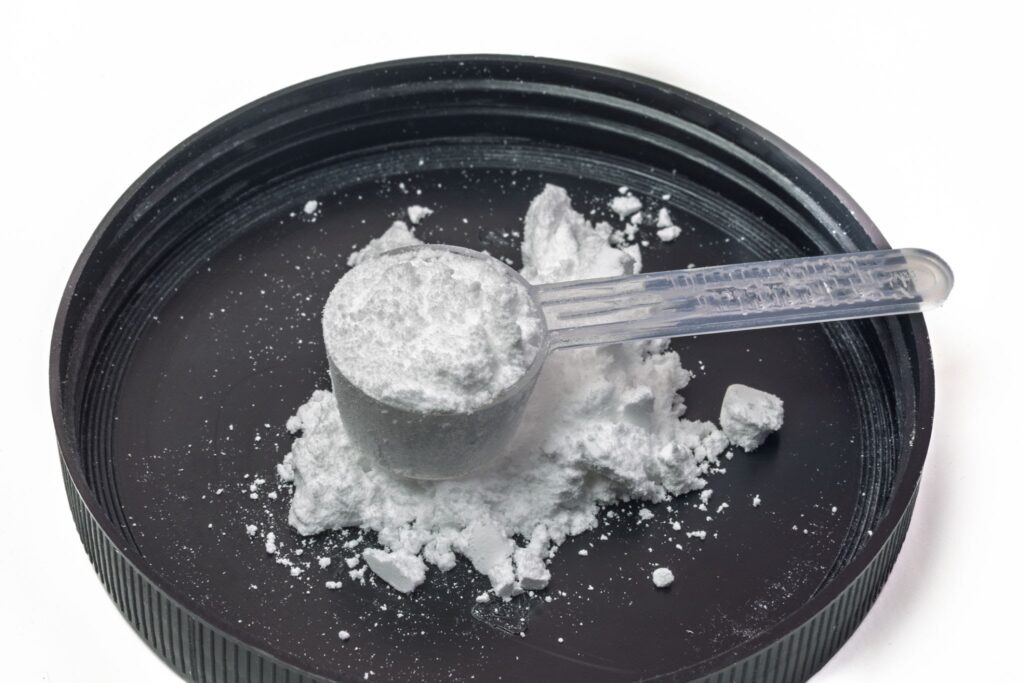
For decades, scoopfuls of a popular white powder have been a non-negotiable staple inside gym bags worldwide, prized almost exclusively for building muscle, sprinting faster, and speeding up workout recovery. Yet, emerging research in immunology and cancer biology has revealed that this humble, budget-friendly fitness supplement does far more than power your bench press. Groundbreaking studies demonstrate that this everyday workout compound acts as a crucial bioenergetic battery for your immune system, specifically supercharging cytotoxic T-cells—the body’s front-line defenders against tumor growth and viral infections. As we age, our immune cells naturally lose their metabolic stamina, leading to a gradual decline in cellular defense known as immunosenescence. By supplying these hard-working defense cells with readily available cellular fuel, this widely used fitness supplement helps slow immune aging and gives your body’s natural cancer-fighting machinery the energy boost it needs to stay sharp.
Unveiling the Compound: How Creatine Bioenergetically Fuels Immune Cells
The mysterious fitness staple making waves in oncology labs is none other than creatine monohydrate—the exact same amino acid derivative millions of lifters use every day for strength and power.
To understand why creatine holds such profound promise for longevity and cancer defense, you have to examine how immune cells manage energy during an internal biological fight.
When an abnormal cell or pathogen threatens your body, your immune system dispatches cytotoxic CD8+ T-cells to locate, attack, and eliminate the threat.
Recognizing and destroying mutated cells requires an enormous, immediate surge of cellular energy in the form of adenosine triphosphate (ATP).
Cytotoxic T-cells rely heavily on specialized molecular transporters to take up creatine straight from their surrounding microenvironment.
Once inside the cell, creatine combines with phosphate to form phosphocreatine, creating a rapid-response energy reserve that recharges spent ATP instantly when T-cells engage a target.
Without sufficient creatine intake and cellular uptake, tumor-infiltrating T-cells quickly suffer from metabolic exhaustion, becoming too fatigued to destroy malignant cells effectively.
“Creatine is not just muscle fuel; it acts as an emergency energy battery for T-cells, preventing metabolic fatigue during intense immune battles.”
At a Glance: Standard Muscle Use vs. Immune System Function of Creatine
Comparing traditional athletic applications of creatine against its newly discovered immunological benefits shows how versatile this compound truly is.
| Performance Parameter | Traditional Muscle & Athletic Benefits | Newly Discovered Cellular & Immune Benefits |
| Primary Target Tissue | Skeletal muscle fibers (Type I and Type II) | Cytotoxic CD8+ T-cells and natural killer (NK) cells |
| Core Mechanism | Recharges ADP into ATP during heavy weightlifting | Powers immune cell infiltration & tumor destruction |
| Longevity Impact | Preserves lean muscle mass & prevents sarcopenia | Combats immunosenescence & slows cellular immune aging |
| Metabolic Outcome | Enhances power output & muscle cell hydration | Prevents metabolic exhaustion in active defense cells |
| Cognitive Bonus | Improves mental stamina during sleep deprivation | Supports brain energy metabolism and neuroprotection |
3 Core Ways Creatine Strengthens Your Immune Defenses
Medical researchers highlight three primary mechanisms through which creatine supplementation supports long-term cellular health and immune resilience:
1. Recharging Tumor-Infiltrating Lymphocytes (TILs)
Inside solid tumors, cancer cells aggressively consume available glucose and oxygen, creating an energy-deprived environment designed to starve surrounding immune cells.
Cytotoxic T-cells equipped with ample creatine reserves can tap into stored phosphocreatine to generate ATP rapidly, even in low-oxygen tumor zones.
This energy boost allows immune cells to penetrate deep into target tissue, maintain structural stamina, and carry out their protective duties without shutting down.
2. Slowing Age-Related Immune Decline (Immunosenescence)
As human beings age, the immune system undergoes a natural degradation process characterized by reduced T-cell production, sluggish cellular signaling, and increased systemic inflammation.
Supplying aging immune cells with consistent bioenergetic fuel helps maintain robust mitochondrial function and extends the operational lifespan of existing T-cell populations.
Keeping your cellular defenses metabolically vibrant provides a strong buffer against age-related vulnerability and chronic disease.
3. Synergizing with Immunotherapy Treatments
Preclinical research indicates that combining creatine supplementation with advanced cancer treatments like PD-1/PD-L1 checkpoint inhibitors significantly enhances therapeutic outcomes.
Immune checkpoint therapies work by taking the “brakes” off the immune system, while creatine supplies the actual gas pedal by providing the raw energy needed for T-cells to launch a sustained response.
This powerful metabolic synergy opens exciting new avenues for integrative longevity medicine and clinical oncology.
How to Optimize Your Creatine Intake for Daily Health and Longevity
Incorporating creatine into your daily wellness routine is straightforward, safe, and cost-effective:
- Choose Pure Creatine Monohydrate: Opt for unflavored, micronized creatine monohydrate powder. It is the most thoroughly researched form, boasting near-total bioavailability and excellent solubility in water.
- Stick to a Daily 3 to 5 Gram Dose: You do not need aggressive loading phases to reap long-term cellular benefits. Taking 3 to 5 grams daily consistently saturates muscle and immune cell reserves over 3 to 4 weeks.
- Stay Well-Hydrated: Creatine draws water directly into cellular tissue to support optimal metabolic reactions. Drink plenty of fresh water throughout the day to support kidney filtration and cellular hydration.
2 Common Myths About Creatine to Stop Believing
Clearing up common misconceptions around creatine allows you to use this longevity tool with complete confidence:
Myth 1: Creatine Causes Kidney Damage in Healthy Adults
Decades of clinical trials confirm that daily creatine supplementation within recommended doses (3 to 5 grams) does not harm kidney function in healthy individuals. While creatine slightly raises baseline serum creatinine levels on routine blood panels, this reflects benign muscle turnover rather than kidney distress.
Myth 2: Creatine Is Only Useful for Heavy Weightlifters
While bodybuilders first popularized the supplement, creatine benefits virtually every cell in your body that demands rapid energy, including brain neurons, heart tissue, and circulating immune cells. Older adults, endurance athletes, and non-gymgoers stand to gain immense cellular protection from daily use.
Related Articles
- Dietitians Say These 5 Longevity Supplements Are Wasted If You Take Them on an Empty Stomach (No. 3 Surprised Me)
- Experts Say These 9 Habits Separate Women Who Age Gracefully From Those Who Don’t—Most Midlife Women Miss Them
- I’m a Dermatologist—Collagen vs. Hyaluronic Acid: One Rebuilds Youthful Skin, the Other Only Plumps It Temporarily (Here’s Which to Choose)
- The Dehydration Sign 90% of People Miss—It’s Quietly Aging Your Skin, Brain, and Joints. Here’s the Fix.
- Doctor’s Urgent Warning: Your Shower Habit is Secretly AGING Your Skin!