FREE SHIPPING OVER $50
This Muscle Predicts How Well You’ll Age—And Most People Over 50 Ignore It

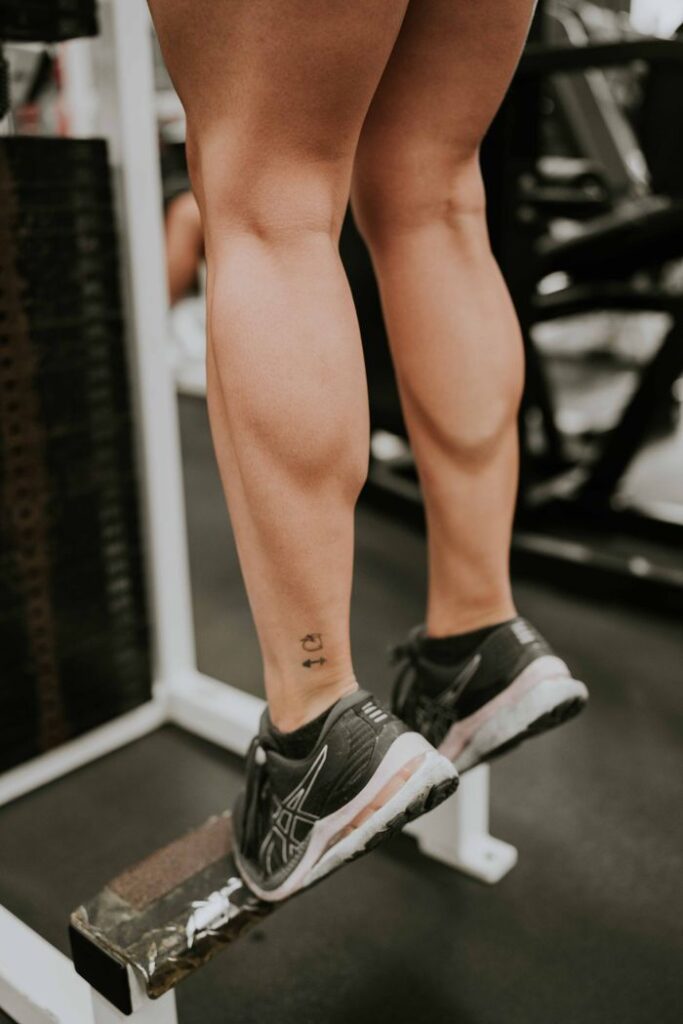
Walking through the grocery store or stepping up onto a high curb requires a level of physical stability and lower-body strength that most adults take entirely for granted until it begins to slip away. As birthdays tick upward, mainstream health conversations constantly fixate on cardiovascular numbers, blood pressure charts, and cholesterol panels while completely overlooking the single most reliable predictor of physical independence: skeletal muscle mass. Longevity researchers and geriatric specialists emphasize that your soleus muscle—situated deep within the back of your lower leg—serves as a silent powerhouse for metabolic health and physical aging. While popular fitness advice tells older adults to focus solely on large upper-body mirror muscles, ignoring your lower leg stabilizers can quietly accelerate physical decline, mobility loss, and frailty.
The Soleus Secret: Why Your Lower Legs Dictate Your Lifespan
To understand why this specific calf muscle holds such immense power over your long-term health, you have to look at how your lower legs handle blood flow and glucose metabolism.
Unlike fast-twitch muscle fibers that tire out quickly during intense sprints, your soleus is packed with slow-twitch oxidative muscle fibers designed for endurance, standing posture, and continuous walking.
When you walk or perform seated heel-raising movements, your soleus muscle fires repetitively without experiencing significant fatigue, acting like an auxiliary metabolic pump.
Physiological studies demonstrate that activating the soleus can dramatically elevate local oxidative metabolism, drawing massive amounts of glucose and triglycerides straight out of your bloodstream.
As people age, sedentary desk jobs and long hours of sitting cause these slow-twitch fibers to atrophy rapidly, leading to poor circulation, sluggish blood sugar control, and a higher risk of balance loss.
Strengthening and activating your soleus muscle does not just improve your walking stride; it protects your metabolic resilience and preserves your functional independence for decades to come.
“Your calf muscles act as a secondary circulatory pump. Keeping your lower legs strong supports healthy blood sugar and effortless mobility as you age.”
At a Glance: Neglected Soleus vs. Active Lower-Leg Maintenance
Comparing sedentary calf inactivity against an active soleus maintenance routine illustrates why targeted lower-leg care transforms physical aging.
| Health & Metabolic Parameter | Sedentary Lower-Leg Management | Active Soleus Maintenance Protocol |
| Blood Sugar Regulation | Prone to post-meal glucose spikes and insulin resistance | Clears blood glucose efficiently via oxidative metabolism |
| Venous Blood Return | Sluggish circulation; promotes swollen ankles and fatigue | Pumps blood upward to the heart, reducing vein strain |
| Ankle Range of Motion | Tightening Achilles tendons and stiff joints | Maintains flexible ankles and powerful push-off power |
| Balance & Fall Prevention | Weak lower legs increase stumbling and tripping risks | Provides rock-solid ankle stability and sure-footed balance |
| Long-Term Longevity Outcome | Accelerates frailty and loss of walking independence | Preserves youthful vitality, agility, and longevity |
How to Test and Train Your Soleus Muscle at Home
Reactivating your lower leg strength requires zero expensive gym memberships or complicated equipment; you can execute these movements right at home:
1. The Seated Soleus Push-Up
Sit comfortably in a sturdy chair with your feet flat on the floor, keeping your knees bent at a 90-degree angle.
Keeping the balls of your feet firmly planted on the ground, raise your heels as high as possible, then drop them back down.
Because the knee is bent, this movement bypasses the larger gastrocnemius muscle and targets the deep soleus fibers directly.
Aim for steady, high-rep sets while reading or watching television to stimulate continuous local metabolism.
2. Standing Eccentric Heel Lowers
Stand facing a wall or countertop for light balance support, placing the balls of your feet on the edge of a sturdy step with your heels hanging off.
Rise up onto your toes using both legs, then lift one foot and lower your body weight down on the remaining leg over a slow, 3-second count.
Eccentric loading builds robust tendon resilience and strengthens lower leg power, preventing the age-related muscle shrinkage known as sarcopenia.
3. Functional Heel-to-Toe Walking Drills
Many older adults develop a shuffling gait where they fail to roll through their entire foot during a stride.
Practice walking slowly across your living room, consciously striking the ground with your heel first, rolling smoothly through your midfoot, and finishing with an energetic push off your toes.
This simple mental cue forces your soleus and calf complex to engage fully with every single step you take.
The Broader Impact of Muscle Mass on Longevity
Focusing on skeletal muscle health goes far beyond looking toned; muscle tissue functions as an active endocrine organ:
- Myokine Production: Contracting muscles release signaling proteins called myokines that reduce systemic inflammation, enhance immune function, and protect brain health.
- Insulin Resistance Defense: Your skeletal muscles act as the primary storage sink for dietary glucose; having ample muscle mass protects you against adult-onset metabolic dysfunction.
- Bone Density Protection: The mechanical pull of strong leg muscles against your shin bones stimulates osteoblast activity, preventing age-related osteoporosis and hip fractures.
2 Common Lower-Leg Mistakes to Avoid
Steering clear of these everyday movement traps protects your Achilles tendons and ensures your soleus training remains effective:
Mistake 1: Wearing Overly Cushioned, Unsupportive Footwear All Day
Walking constantly in ultra-soft, heavily cushioned shoes prevents your natural foot muscles and soleus from working to stabilize your stride. Incorporate supportive footwear and spend time walking barefoot on safe indoor surfaces to keep your lower leg stabilizers responsive.
Mistake 2: Skipping Calf Stretches After Strengthening Work
The soleus and gastrocnemius muscles shorten during daily sitting and walking. Always finish your lower-leg routine with gentle wall stretches to keep your Achilles tendons long, flexible, and free from chronic tightness.
Related Articles
- I Do These 10 Age-Defying Exercises Every Morning—Here’s How They Make Me Feel 20 Years Younger
- Your Body’s 8 Loudest Warnings You’re Low on Magnesium—Ignoring #7 Can Land You in the ER
- Doctors Reveal: The 5 Powerhouse Vitamin Combos You Need for Optimal Health
- Tired All the Time? This Powerhouse Supplement Boosts Focus, Stamina & Overall Vitality
- This is It: The #1 Gut Health Supplement GI Doctors Swear By (Expert Revealed!)