FREE SHIPPING OVER $50

15 Foods That Fight Inflammation Like a Drug, According to Rheumatologists (You’re Probably Not Eating #9)

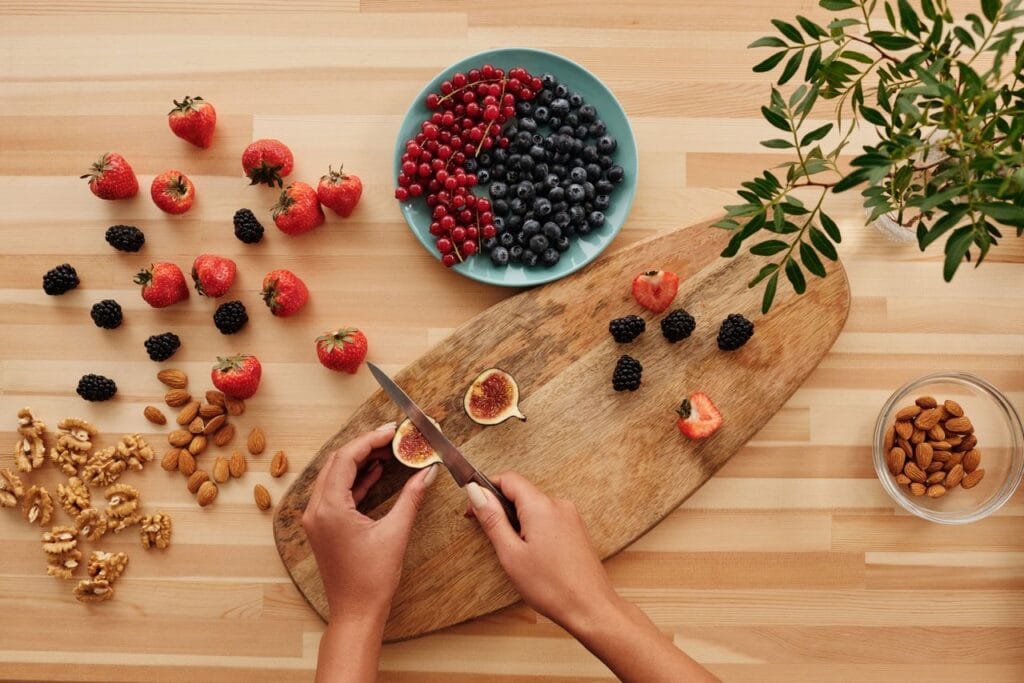
If you live with daily joint stiffness, nagging back aches, or chronic muscle soreness, you might find yourself reaching for over-the-counter pain relievers more often than you would like. While nonsteroidal anti-inflammatory drugs (NSAIDs) offer fast temporary relief, relying on them long-term can take a heavy toll on your stomach lining, kidney function, and cardiovascular health. Fortunately, rheumatologists increasingly emphasize that your kitchen pantry contains natural compounds that interact with your body on a cellular level, targeting the exact same inflammatory pathways that pharmaceuticals do—without the nasty side effects.
How Food Inhibits Inflammatory Pathways
Chronic inflammation occurs when your immune system stays stuck in overdrive, releasing tiny proteins called inflammatory cytokines that attack healthy joint cartilage and muscle tissues. Pharmaceutical pain relievers work by blocking specific enzymes—namely cyclooxygenase-1 and cyclooxygenase-2 (COX-1 and COX-2)—which stops your body from producing pain-causing prostaglandins.
Remarkably, plant-based polyphenols, healthy fatty acids, and specialized antioxidants found in whole foods target these identical enzyme pathways. When you eat anti-inflammatory foods consistently, these bio-active compounds accumulate in your tissues, systematically dialing down systemic inflammation from the inside out.
| Food Category | Active Natural Compound | Targeted Biological Pathway | Pharmacological Comparison |
| Extra Virgin Olive Oil | Oleocanthal | COX-1 & COX-2 Enzymes | Similar mechanism to Ibuprofen |
| Fatty Fish | EPA & DHA Omega-3s | Resolvins & Protectins | Similar mechanism to Prescription Omega-3s |
| Turmeric | Curcumin | NF-kB Transcription Factor | Similar mechanism to Corticosteroid signaling |
| Tart Cherries | Anthocyanins 1 & 2 | COX-2 & Uric Acid Crystals | Similar mechanism to Naproxen / Allopurinol |
| Green Tea | EGCG Catechins | Tumor Necrosis Factor (TNF-alpha) | Similar mechanism to Biotic Disease Modifiers |
15 Doctor-Approved Foods That Battle Joint Pain
1. Extra Virgin Olive Oil
Extra virgin olive oil contains a naturally occurring phenolic compound called oleocanthal. Clinical research demonstrates that oleocanthal inhibits COX-1 and COX-2 enzymes in a manner remarkably similar to small doses of ibuprofen. Drizzling two tablespoons of cold-pressed extra virgin olive oil over your daily salad provides a steady stream of joint-protecting compounds.
2. Wild Salmon and Small Fatty Fish
Cold-water fish like wild salmon, sardines, and mackerel come packed with eicosapentaenoic acid (EPA) and docosahexaenoic acid (DHA). Your body uses these essential omega-3 fatty acids to synthesize specialized pro-resolving mediators called resolvins. Consequently, these lipid molecules actively clear out inflammatory debris and speed up joint recovery after physical stress.
3. Turmeric Root
Turmeric owes its vibrant yellow color to curcumin, a potent polyphenol that suppresses NF-kB—a master signaling molecule that turns on dozens of inflammatory genes. Because raw curcumin absorbs poorly on its own, rheumatologists recommend pairing turmeric with a pinch of black pepper, which boosts curcumin absorption by two thousand percent.
4. Blueberries and Blackberries
Deeply colored berries get their rich hues from anthocyanins, powerful antioxidants that neutralize destructive free radicals. Consuming berries daily helps lower circulating levels of C-reactive protein (CRP), a key blood marker that doctors use to measure systemic swelling throughout your body.
5. Dark Leafy Greens
Spinach, kale, and Swiss chard contain rich supplies of vitamin K, lutein, and magnesium. Vitamin K plays a crucial role in regulating cartilage mineralization, preventing unnecessary stiffness in aging joints. Furthermore, the high antioxidant content in dark leafy greens shields delicate cartilage cells from oxidative damage.
6. Raw Walnuts
Among all tree nuts, walnuts reign supreme for plant-based omega-3 content in the form of alpha-linolenic acid (ALA). Additionally, walnuts contain specialized ellagitannins that gut bacteria convert into urolithins—compounds that reduce neuro-inflammation and preserve joint mobility as you age.
7. Green Tea and Matcha
Green tea contains a specialized catechin known as epigallocatechin-3-gallate (EGCG). EGCG actively interrupts the cellular signals that destroy cartilage tissue in individuals suffering from joint discomfort. Sipping two to three cups of warm green tea daily provides a consistent defense against cartilage degradation.
8. Fresh Garlic and Alliums
Garlic, onions, and leeks contain diallyl disulfide, an organosulfur compound that limits the activity of cartilage-damaging enzymes called matrix metalloproteinases. Incorporating minced fresh garlic into cooked meals adds tremendous savory flavor while helping protect your connective tissues.
9. Montmorency Tart Cherries (The Secret Weapon)
Most people consume sweet cherries, but rheumatologists specifically highlight Montmorency tart cherries as an absolute game-changer for joint pain. Tart cherries contain concentrated levels of anthocyanins 1 and 2, which block COX-2 enzymes just as effectively as popular prescription anti-inflammatories. Furthermore, clinical trials show that drinking eight ounces of unsweetened tart cherry juice daily significantly drops serum uric acid levels and reduces painful gout flare-ups by up to thirty-five percent. If you are struggling with stubborn morning stiffness or joint throbbing, adding tart cherry juice to your evening routine is one of the single most effective dietary adjustments you can make.
10. Fresh Ginger Root
Ginger contains active chemical constituents named gingerols and shogaols. These bioactive molecules inhibit the production of leukotrienes and prostaglandins—two primary chemical messengers that trigger swelling and pain sensations in nerve endings.
11. Broccoli and Cruciferous Vegetables
Broccoli, Brussels sprouts, and cauliflower contain sulforaphane, a sulfur-rich compound that turns on protective antioxidant pathways in your cells. Sulforaphane actively blocks the enzymes that drive joint destruction, making cruciferous vegetables an indispensable addition to your weekly dinner rotation.
12. Unsweetened Kefir and Fermented Foods
A damaged gut barrier allows bacterial toxins to leak into your bloodstream, sparking systemic low-grade inflammation. Probiotic-rich fermented foods like kefir, plain Greek yogurt, sauerkraut, and kimchi restore beneficial gut microbes, reinforcing your intestinal lining and calming immune overactivity.
13. Dark Chocolate (70% Cacao or Higher)
Dark chocolate packed with high cacao percentages delivers abundant flavanols that improve blood vessel flexibility and reduce systemic arterial inflammation. Enjoying an ounce of high-quality dark chocolate offers a delicious way to keep inflammatory markers down without spiking your blood sugar.
14. Whole Chia and Flaxseeds
Chia and flaxseeds provide an excellent ratio of soluble fiber and plant-based omega-3s. Fiber acts as food for beneficial gut bacteria, which produce short-chain fatty acids like butyrate that directly signal your immune system to lower inflammatory responses.
15. Fresh Avocados
Avocados combine monounsaturated fats, vitamin E, and specialized phytosterols that soothe inflamed tissues. Research shows that combining avocado with other colorful vegetables enhances the absorption of fat-soluble antioxidants like carotenoids by up to fifteen times.
4 Common Habits That Fuel Internal Inflammation
While adding beneficial foods is vital, removing dietary triggers that spark internal fire is equally important. Steer clear of these four widespread dietary habits to get the fastest relief from chronic pain:
- Consuming Refined Vegetable Oils: Soybean, corn, and cottonseed oils contain high levels of omega-6 fatty acids, which push your immune system into an inflammatory state when consumed in excess.
- Overindulging in Added Sugars: High-fructose corn syrup and refined white sugar trigger rapid spikes in blood glucose, causing your liver to release inflammatory cytokines into your bloodstream.
- Drinking Excess Alcohol: Frequent alcohol consumption damages the delicate lining of your gastrointestinal tract, allowing harmful endotoxins to leak into circulation and trigger widespread tissue swelling.
- Relying Heavily on Ultra-Processed Snacks: Packaged snack foods loaded with artificial preservatives, trans fats, and sodium disrupt gut health and accelerate joint cartilage breakdown over time.
Simple Strategies to Build Your Daily Anti-Inflammatory Plate
Transitioning to an anti-inflammatory eating style does not require restrictive dieting or complicated meal planning. Focus on building simple daily habits that keep your plate colorful and nutrient-rich:
- Aim for Three Colors Per Meal: Fill half your plate with vibrant vegetables and dark berries to maximize your polyphenol diversity.
- Swap Cooking Fats: Replace refined seed oils and margarine with cold-pressed extra virgin olive oil or avocado oil for all light cooking and dressing needs.
- Incorporate Smart Spices: Keep jars of ground turmeric, black pepper, ginger, and garlic powder directly next to your stove so you can effortlessly sprinkle them onto roasted vegetables and soups.
- Hydrate with Intent: Replace sugary sodas and artificial juices with green tea, sparkling water infused with lemon, or unsweetened tart cherry juice in the evening.
Related Articles
- If the Power Goes Out Tomorrow, You’ll Wish You’d Stocked These 25 Foods That Last 25+ Years
- Eat These 12 Magnesium-Rich Foods or Keep Feeling Tired—Your Call
- Weight Gain vs. Berries: The Battle You Didn’t Know You Needed
- Want Abs? These 10 Foods Are Practically Your Personal Trainers
- The Top Dietary Supplements Everyone’s Buzzing About (And Why You Should Care)