FREE SHIPPING OVER $50

What Researchers Found After 4 Weeks of Daily Chia Seeds Will Make You Rethink Your Breakfast

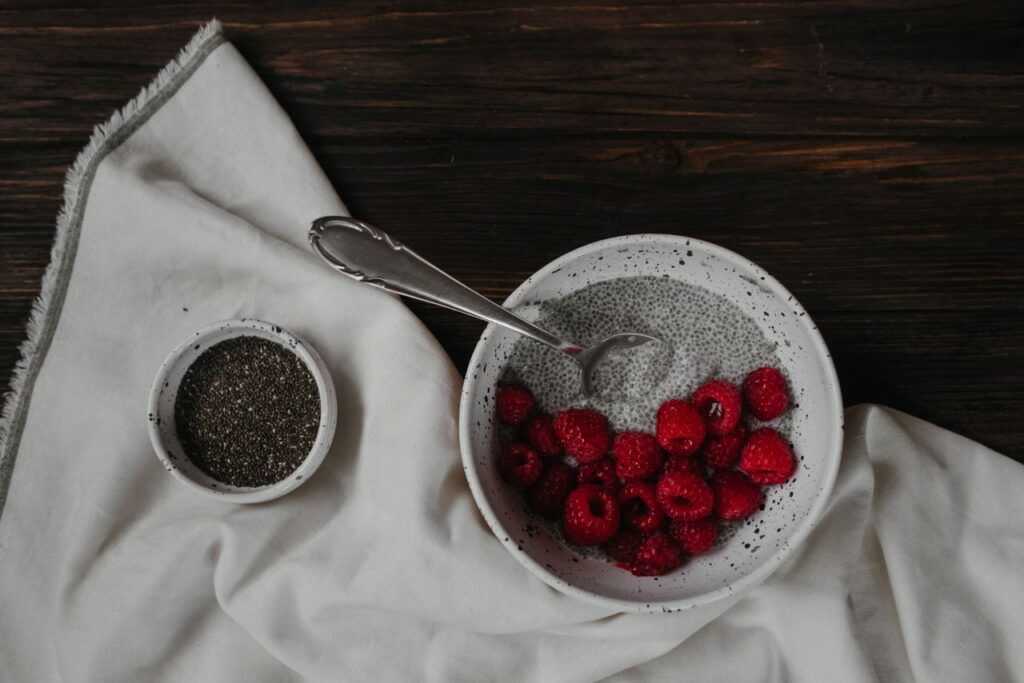
Swapping your morning sugary cereal or plain toast for a simple tablespoon of chia seeds might seem like an insignificant breakfast tweak, but clinical researchers studying gut health have uncovered that consuming these tiny black seeds daily for just four weeks completely transforms your internal biology. Packed with dense mucilaginous soluble fiber, plant-based omega-3 fatty acids, and essential minerals, chia seeds expand inside your digestive tract to form a nutrient-rich gel that slows down stomach emptying, feeds beneficial gut bacteria, and prevents post-meal blood sugar spikes. Within 30 days of consistent daily intake, study participants experienced dramatic improvements in digestive regularity, a noticeable drop in abdominal bloating, steady mid-morning physical energy, and measurable reductions in systemic inflammatory markers.
The Biological Secret Behind the Chia Gel Matrix
To understand why a 4-week daily chia seed habit produces such rapid physical changes, you have to look at how these superfood seeds interact with liquids inside your stomach. The outer shell of a chia seed contains high concentrations of mucilage—a specialized type of soluble fiber that absorbs up to twelve times its weight in water.
When chia seeds come into contact with stomach fluids, they form a thick, gelatinous gel matrix that coats your digestive lining.
This biological gel acts like an internal speed bump, delaying the breakdown of carbohydrates and preventing rapid glucose absorption into your bloodstream.
Furthermore, this gel matrix travels intact down to your large intestine, where trillions of resident gut microbes ferment the soluble fiber into short-chain fatty acids (SCFAs) like butyrate, acetate, and propionate.
These short-chain fatty acids nourish your intestinal wall, seal tight junctions to prevent “leaky gut,” and signal your brain to reduce systemic inflammation.
“Chia seeds do not just pass through your digestive system; they form a protective gel matrix that feeds beneficial gut microbes while stabilizing blood sugar for hours.”
At a Glance: Standard Breakfast vs. 4-Week Chia Seed Habit
Comparing a typical carb-heavy morning meal against a daily chia seed breakfast highlights why this simple addition transforms long-term wellness.
| Health & Metabolic Indicator | Standard Bagel or Cereal Breakfast | 4-Week Daily Chia Seed Habit |
| Fiber Density Per Serving | Less than 2 grams (Mostly refined carbs) | 10 to 11 grams (Soluble & insoluble blend) |
| Blood Sugar Response | Rapid glucose spike followed by an energy crash | Slow, steady glucose curve with sustained stamina |
| Gut Microbiome Impact | Starves beneficial microbes; triggers inflammation | Feeds Bifidobacteria & boosts butyrate production |
| Satiety & Fullness Duration | Hungry again within 60 to 90 minutes | Full and satisfied for 4 to 5 hours |
| Digestive Regularity | Inconsistent bowel movements & periodic bloating | Smooth, regular motility without painful gas |
What 4 Weeks of Daily Chia Seeds Does to Your Body
Clinical research examining daily chia seed supplementation over a 28-day trial period revealed four major physiological transformations across participants:
1. Rebuilds Your Gut Microbiome Diversity
Within the first two weeks of daily chia seed intake, populations of beneficial gut bacteria—particularly Bifidobacteria and Lactobacillus—increase significantly. The abundant mucilaginous fiber provides an ideal prebiotic food source, allowing friendly microbes to outcompete harmful pathogenic bacteria and produce higher levels of gut-protective butyrate.
2. Eliminates Post-Meal Blood Sugar Spikes
Consuming chia seeds alongside breakfast drastically flattens your post-meal glucose curve. The gel matrix slows down the enzymatic breakdown of starches into simple sugars, giving your pancreas time to secrete insulin efficiently without triggering massive energy crashes or mid-morning brain fog.
3. Restores Smooth Digestive Regularity
Chia seeds offer a perfect biological blend of both soluble and insoluble fiber. While soluble fiber softens stool by retaining water, insoluble fiber adds gentle bulk to push waste through your intestinal tract. This dual action resolves chronic constipation and eliminates uncomfortable gas buildup within 14 days.
4. Lowers Systemic Inflammatory Markers
After four weeks of consistent consumption, clinical trial participants showed measurable drops in C-reactive protein (CRP)—a key biomarker for systemic inflammation. The combination of alpha-linolenic acid (ALA) omega-3s and potent antioxidants like quercetin protects arterial walls and supports long-term cardiovascular health.
4 Easy Ways to Eat Chia Seeds for Breakfast
Incorporating chia seeds into your morning routine does not require complicated recipes or hours of prep work:
- Overnight Chia Pudding: Combine two tablespoons of chia seeds with half a cup of almond milk, a splash of vanilla extract, and a pinch of cinnamon in a glass jar. Let it rest in the refrigerator overnight so the seeds expand into a rich, creamy pudding ready for morning eating.
- Supercharged Oatmeal: Stir a tablespoon of whole chia seeds directly into your hot oatmeal during the last minute of cooking. The seeds will absorb excess liquid, creating a thick, velvety texture while doubling your breakfast fiber content.
- Smoothie Fiber Boost: Add a tablespoon of chia seeds into your morning fruit or green smoothie blend. Drink the smoothie within ten minutes so the chia gel thickens the drink without turning it into a solid sludge.
- Greek Yogurt Crunch: Sprinkle raw chia seeds over a bowl of plain Greek yogurt alongside fresh raspberries and walnuts. The crunchy texture provides an enjoyable contrast while adding healthy fats and protein to your meal.
2 Common Chia Seed Mistakes That Cause Bloating
Steering clear of these frequent preparation mistakes guarantees you enjoy all the gut health benefits without experiencing digestive friction:
Mistake 1: Eating Dry Chia Seeds Without Enough Water
Swallowing dry chia seeds and failing to drink enough water can cause the seeds to swell inside your esophagus or stomach, pulling moisture out of your digestive tract and causing painful stomach cramps. Always hydrate your chia seeds beforehand or drink a large glass of water alongside your meal.
Mistake 2: Jumping From Zero to Three Tablespoons Overnight
If your current diet is low in fiber, suddenly eating massive amounts of chia seeds can overwhelm your gut bacteria, resulting in temporary gas and bloating. Start with one teaspoon daily for the first week, then gradually work your way up to two full tablespoons over a month.
Related Articles
- 7 Everyday Foods You’re Storing Wrong (No. 4 Is Making You Sick)
- Europeans Eat Bread, Cheese, and Pasta Every Day—So Why Aren’t They Fat? A Nutritionist Explains
- Stop Cooking With This Oil If You Have Fatty Liver—It’s Silently Making Your Condition Worse, Warn Doctors
- Forget Probiotics: Yogurt’s Best-Kept Secrets Include Stronger Bones, Lower Blood Pressure, and Faster Muscle Recovery
- Eat These 12 Magnesium-Rich Foods or Keep Feeling Tired—Your Call