FREE SHIPPING OVER $50

Stop Cooking With This Oil If You Have Fatty Liver—It’s Silently Making Your Condition Worse, Warn Doctors

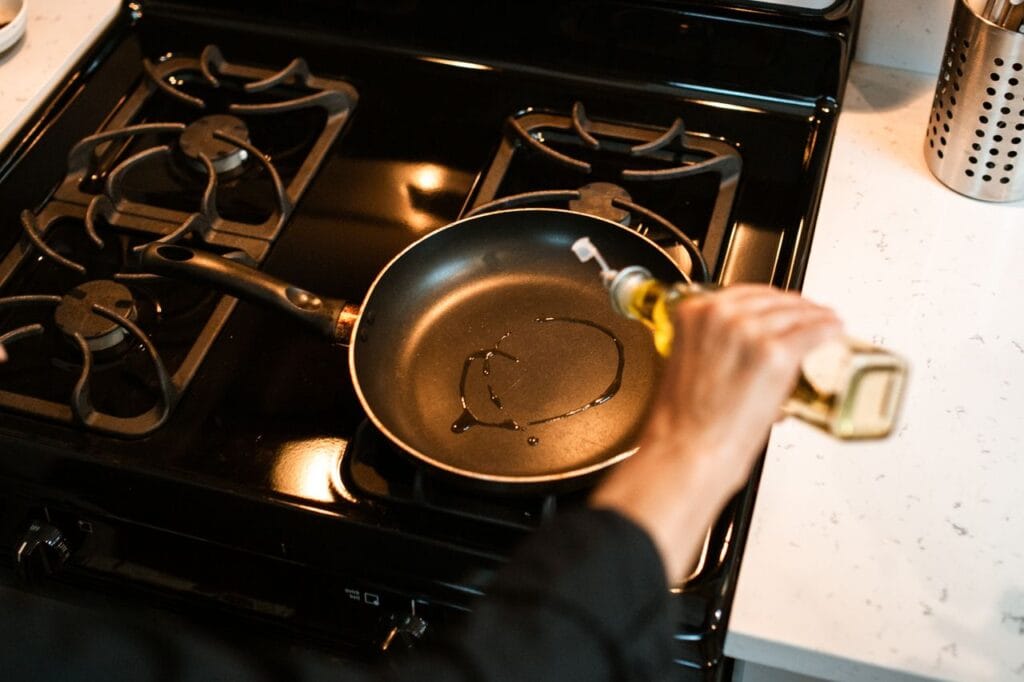
If you regularly use bottled vegetable oil to sauté dinner or fry up a quick weekend meal, you might be unknowingly pouring gas on an internal fire. Hepatologists and gastroenterologists warn that soybean oil—along with other heavily processed, high-omega-6 seed oils like corn, cottonseed, and sunflower oil—is the primary kitchen oil silently exacerbating metabolic dysfunction and fat accumulation in your liver. Because soybean oil dominates processed foods and standard home cooking, millions of people consume massive doses of unstable linoleic acid every day. Consequently, this highly refined fat sparks cellular oxidative stress, worsens insulin resistance, and accelerates hepatic steatosis—the exact medical term for fatty liver disease.
The Silent Culprit: Why Soybean Oil Is Bad News for Your Liver
Soybean oil accounts for over half of all vegetable oil consumed in American households, largely because it is cheap, neutral-tasting, and readily available. However, doctors urge patients with non-alcoholic fatty liver disease (NAFLD)—now officially called metabolic dysfunction-associated steatotic liver disease (MASLD)—to remove this oil from their pantries immediately.
The primary issue stems from its molecular structure. Soybean oil contains exceptionally high concentrations of linoleic acid, an omega-6 polyunsaturated fatty acid. While your body requires tiny amounts of omega-6 fats to survive, modern diets flood human tissue with far more than the body can safely process. When your liver receives an overload of linoleic acid, it converts these fats into signaling molecules that promote tissue swelling, cellular damage, and fat retention.
How Excess Omega-6 Fats Inflame Liver Cells
Your liver acts as the primary chemical filter and metabolic hub for your entire body. When you eat healthy fats, your liver processes them smoothly and uses them for steady energy production. On the other hand, consuming an excess of omega-6 polyunsaturated oils triggers a cascading chain reaction inside hepatic tissue.
Human ancestors consumed a balanced 1:1 ratio of omega-6 to omega-3 fatty acids. Today, the average diet leans heavily toward a 15:1 or even 20:1 ratio, almost entirely due to refined seed oils. This severe imbalance triggers several harmful biological events inside your liver:
- Lipid Peroxidation: Polyunsaturated fats contain multiple delicate double chemical bonds. When linoleic acid sits in warm liver tissue, it reacts with oxygen and breaks down into reactive toxic byproducts that damage delicate cellular membranes.
- Mitochondrial Stress:The energy generators inside your liver cells, called mitochondria, become overwhelmed by oxidized fats. As a result, your liver loses its ability to burn fat efficiently for fuel.
- De Novo Lipogenesis: Excess linoleic acid impairs normal insulin signaling. Consequently, your pancreas releases more insulin, prompting your liver to manufacture brand-new fat molecules directly from carbohydrates and store them inside liver cells.
- Pro-Inflammatory Cytokine Release: High omega-6 levels stimulate specialized liver immune cells, known as Kupffer cells, to secrete inflammatory proteins that accelerate tissue scarring and fibrosis over time.
Heat and Oxidation: What Happens When You Cook With Refined Oils
Cooking with soybean oil worsens these health risks significantly. Polyunsaturated fats possess low thermal stability compared to monounsaturated or saturated fats. As soon as you heat soybean or corn oil in a frying pan, the high temperatures shatter the fragile oil molecules long before the oil even reaches its smoke point.
This chemical breakdown generates harmful compounds known as toxic aldehydes, lipid peroxides, and trans fats. When you ingest oxidized oil, these toxic compounds enter your portal vein and travel straight to your liver, forcing liver cells to work overtime to neutralize the chemical threat.
In addition, eating deep-fried commercial foods presents an even greater hazard. Commercial kitchens frequently heat and reuse large vats of soybean oil for days at a time. Reused oil accumulates dense concentrations of advanced glycation end-products and cyclic polymers, which severely degrade gut barrier function, increase intestinal permeability, and send bacterial endotoxins rushing directly into your liver circulation.
Oil Breakdown: Fatty Liver Drivers vs. Liver Protectors
To make healthy kitchen decisions simpler, gastroenterologists categorize cooking oils based on their stability, fatty acid profiles, and overall impact on liver health:
| Cooking Oil Type | Primary Fat Profile | Heat Stability | Impact on Liver Health | Doctor Verdict |
| Soybean Oil | High Omega-6 Polyunsaturated | Low | Increases liver fat, inflammation, and cellular stress | Avoid Completely |
| Corn & Cottonseed Oil | High Omega-6 Polyunsaturated | Low | Drives lipid peroxidation and metabolic damage | Avoid Completely |
| Extra Virgin Olive Oil | High Monounsaturated (Oleic Acid) | Medium to High | Reduces liver fat, lowers liver enzymes, protects cells | Highly Recommended |
| Avocado Oil | High Monounsaturated | Very High | Supports healthy lipid levels and resists heat breakdown | Highly Recommended |
| Macadamia Nut Oil | High Monounsaturated | High | Stable, low in omega-6, reduces oxidative stress | Great Choice |
3 Doctor-Approved Cooking Oils That Actively Protect Your Liver
Fortunately, protecting your liver does not mean you must give up cooking with flavorful fats. Swapping out refined seed oils for stable, anti-inflammatory alternatives can actively support liver recovery and help reverse fat accumulation.
1. Extra Virgin Olive Oil (EVOO)
Extra virgin olive oil serves as the absolute gold standard for liver health. Packed with monounsaturated oleic acid and potent antioxidant polyphenols like hydroxytyrosol, EVOO acts as a biological shield for hepatocytes. Clinical studies confirm that replacing refined oils with two to three tablespoons of extra virgin olive oil daily significantly decreases liver fat accumulation, lowers serum liver enzymes, and improves insulin sensitivity.
2. Pure Avocado Oil
If you need an oil for high-heat cooking, roasting, or searing, avocado oil is your best friend in the kitchen. Cold-pressed avocado oil boasts a high smoke point of roughly 520 degrees Fahrenheit while consisting primarily of heat-stable monounsaturated fats. Furthermore, avocado oil contains abundant lutein and vitamin E, which neutralize free radicals before they can harm delicate liver tissues.
3. High-Oleic Sunflower or Safflower Oil
Standard sunflower and safflower oils are loaded with omega-6 fats and should be avoided. However, specifically labeled high-oleic versions have been natural bred to contain mostly heat-stable monounsaturated fats instead of polyunsaturated linoleic acid. If you require a completely neutral-tasting oil for baking or light stovetop cooking, high-oleic varieties offer a much safer profile for your liver.
How to Spot Hidden Soybean Oil in Your Pantry
Replacing your main bottle of cooking oil is a wonderful first step, but soybean oil frequently sneaks into your diet through packaged convenience foods. Manufacturers favor soybean oil because it remains extremely cheap and extends shelf life.
To protect your liver, carefully inspect product labels and minimize these common hidden sources:
- Store-Bought Salad Dressings: Nearly all commercial dressings rely on soybean or canola oil as their primary base ingredient.
- Commercial Mayonnaise: Standard jars of mayo consist of roughly seventy percent soybean oil unless explicitly labeled as cold-pressed olive or avocado oil mayo.
- Frozen Meals and Entrees: Pre-packaged dinners usually spray refined soybean oil over ingredients to prevent sticking during freezing.
- Commercial Baked Goods: Crackers, chips, cookies, and packaged breads routinely use hydrogenated or refined soybean oil to maintain texture.
- Pre-Made Marinades and Sauces: Jarred pasta sauces, barbecue marinades, and dipping sauces frequently blend small amounts of olive oil with cheap soybean oil fillers.
4 Simple Steps to Detox Your Kitchen Today
Reversing early-stage fatty liver disease is entirely achievable through consistent, targeted dietary upgrades. You can easily detoxify your kitchen environment by taking these four actionable steps today:
- Purge the Refined Seed Oils: Trash or recycle bottles of pure soybean oil, corn oil, vegetable oil blends, and margarine spreads.
- Invest in High-Quality Olive and Avocado Oils:Purchase extra virgin olive oil in dark glass bottles to protect delicate antioxidants from light exposure, and keep avocado oil near your stove for high-heat cooking.
- Make Dressings from Scratch: Whip up delicious homemade salad dressings using three parts extra virgin olive oil, one part fresh lemon juice or apple cider vinegar, a dab of Dijon mustard, and sea salt.
- Choose Whole Food Fat Sources: Rely on whole olives, fresh avocados, raw walnuts, chia seeds, and wild-caught fatty fish to supply your daily fat needs alongside beneficial fiber and omega-3s.
Related Articles
- Forget Probiotics: Yogurt’s Best-Kept Secrets Include Stronger Bones, Lower Blood Pressure, and Faster Muscle Recovery
- Eat These 12 Magnesium-Rich Foods or Keep Feeling Tired—Your Call
- Weight Gain vs. Berries: The Battle You Didn’t Know You Needed
- Want Abs? These 10 Foods Are Practically Your Personal Trainers
- The Top Dietary Supplements Everyone’s Buzzing About (And Why You Should Care)