FREE SHIPPING OVER $50

7 Everyday Foods You’re Storing Wrong (No. 4 Is Making You Sick)

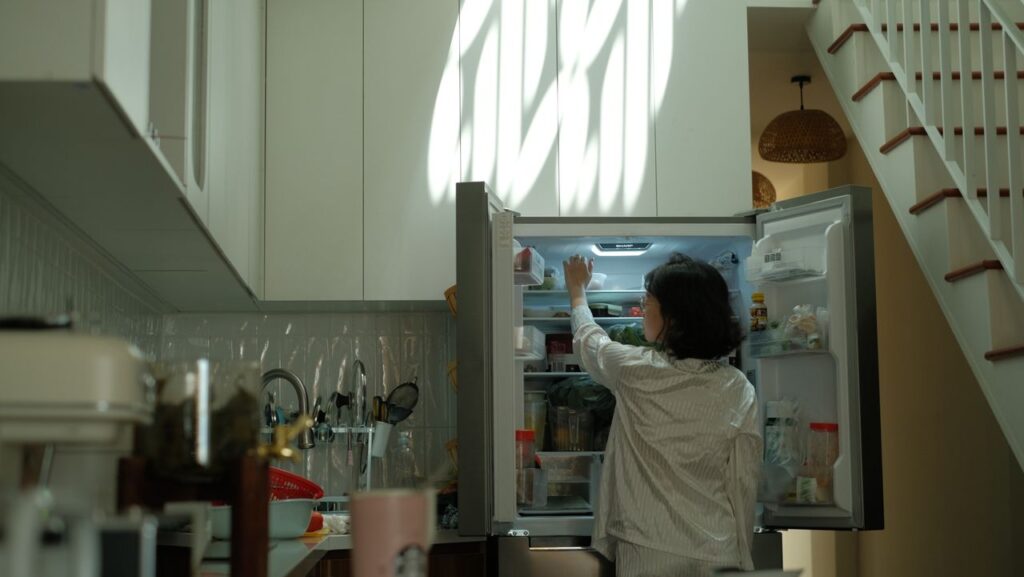
You probably spend plenty of time selecting fresh produce and pantry staples at the grocery store, but the way you store those items once you get home can quietly ruin their nutrient content, destroy their flavor, and even breed dangerous bacteria. Unknowingly placing cold-sensitive vegetables in the refrigerator or leaving moist items in sealed plastic bags creates an ideal breeding ground for mold spores, accelerates spoilage, and releases harmful toxins that trigger digestive distress. Understanding how to properly store everyday ingredients preserves their peak nutritional value, extends their shelf life, saves money on tossed groceries, and protects your family from foodborne illness.
The Secret Science of Food Spoilage and Safety
Proper food storage requires balancing three critical environmental variables: temperature, moisture control, and airflow. When you store fresh produce incorrectly, you disrupt the natural respiration rate of the plant tissue, causing rapid cell breakdown and moisture accumulation.
Furthermore, improper storage conditions accelerate chemical reactions that degrade sensitive vitamins and bioavailable antioxidants.
When excess moisture builds up inside sealed containers, microscopic fungal spores and pathogenic bacteria thrive.
Learning where each food item belongs on your countertops or inside your refrigerator prevents toxic microbial growth while keeping your ingredients tasting fresh.
“Storing fresh produce incorrectly creates hidden moisture traps that accelerate bacterial growth. Correct food storage is your kitchen’s first line of defense against foodborne illness.”
At a Glance: Everyday Food Storage Mistakes Fixed
Comparing correct and incorrect storage habits reveals simple kitchen adjustments that immediately save your food and protect your health.
| Food Item | Common Storage Mistake | Correct Storage Method | Main Health or Quality Consequence |
| 1. Fresh Tomatoes | Refrigerating on cold glass shelves | Countertop at room temperature, stem-side down | Cold temperatures destroy natural flavor and turn flesh mealy |
| 2. Whole Onions | Storing right next to fresh potatoes | Dark, dry pantry in breathable mesh bags | Onions release ethylene gas that causes potatoes to sprout fast |
| 3. Fresh Garlic | Sealing inside airtight plastic bags | Cool, dry countertop basket with open airflow | Trapped moisture creates deadly Clostridium botulinum risk |
| 4. Raw Eggs (No. 4) | Storing in the built-in fridge door rack | Original carton on an interior refrigerator shelf | Temperature swings trigger condensation and bacterial growth |
| 5. Whole Avocados | Leaving ripe fruit on sunny counters | Move ripe fruit to the fridge (or submerge cut halves) | Uncontrolled ripening leads to rancid fats and mold growth |
| 6. Raw Nuts & Seeds | Storing at room temp in pantry cabinets | Airtight glass jars kept inside the freezer | Delicate polyunsaturated oils oxidize and turn rancid quickly |
| 7. Fresh Herbs | Leaving in sealed plastic produce bags | Trim stems and store like flowers in a glass jar of water | Trapped moisture causes leaves to turn slimy and breed mold |
7 Everyday Foods You Are Storing Wrong
1. Fresh Tomatoes
Placing fresh tomatoes straight into the crisper drawer is one of the most common kitchen mistakes. Cold temperatures below 55 degrees Fahrenheit alter the chemical makeup of tomatoes, permanently deactivating the enzymes responsible for creating their rich, sweet flavor.
Furthermore, cold air ruptures the delicate cellular membranes inside the tomato, transforming firm, juicy flesh into a mealy, watery texture.
To preserve vibrant flavor and natural texture, keep your fresh tomatoes on the kitchen counter at room temperature, resting them stem-side down to prevent air and moisture from entering the stem scar.
2. Onions and Potatoes Stored Together
Storing onions and potatoes together in the same pantry bin seems convenient, but it actually forces both vegetables to rot twice as fast. Onions release high levels of ethylene gas, a natural plant hormone that accelerates the ripening process in nearby produce.
When potatoes absorb this ethylene gas, they begin sprouting rapidly and producing higher levels of solanine, a natural toxin that turns potato skin green and causes stomach cramps if consumed in large quantities.
Keep your onions and potatoes in separate, dark, well-ventilated pantry baskets to maximize their shelf life.
3. Fresh Garlic Knots
Garlic thrives in cool, dry environments with ample air circulation. Unfortunately, many people store garlic bulbs inside tight plastic bags or sealed Tupperware containers in the refrigerator.
Trapping garlic in a dark, cold, high-moisture environment signals to the bulb that it is underground, triggering premature sprouting and bitter green shoots.
More dangerously, sealed airtight environments with low oxygen create an ideal environment for mold spores to multiply. Store whole garlic bulbs in an open mesh basket or a ventilated terracotta garlic keeper at room temperature.
4. Raw Eggs Stored in the Refrigerator Door (Making You Sick)
Storing raw eggs in the cute, built-in plastic egg tray lining your refrigerator door is a habit that can directly cause food poisoning. Every time you open your refrigerator door, the items stored in the door shelves experience a sharp rise in ambient temperature.
These continuous temperature fluctuations cause moisture to condense on the porous outer shell of the egg.
This condensation dissolves the protective natural cuticle on the eggshell, allowing harmful surface bacteria like Salmonella enteritidis to wash straight through the microscopic pores into the egg white and yolk.
Consuming eggs contaminated with multiplied Salmonella bacteria leads to severe gastroenteritis, fever, abdominal cramps, and vomiting. To keep your family safe, always keep eggs in their original cardboard carton stored on an interior refrigerator shelf where temperatures stay consistently at or below 40 degrees Fahrenheit.
5. Whole and Cut Avocados
Leaving fully ripe avocados on a warm kitchen counter causes their delicate monounsaturated fats to oxidize rapidly, resulting in brown, stringy, rancid fruit within 24 hours.
Once an avocado yields slightly to gentle pressure, transfer it immediately to the refrigerator to pause the ripening process for up to five days.
If you only use half an avocado, preserve the remaining half by squeezing fresh lemon juice over the exposed green flesh, wrapping it tightly, and keeping the central pit intact to minimize oxygen exposure.
6. Raw Nuts and Flaxseeds
Because raw nuts like walnuts, pecans, and almonds—along with ground flaxseeds—are packed with healthy polyunsaturated fatty acids, leaving them in warm pantry cabinets causes those fragile oils to go rancid quickly.
Light, heat, and oxygen exposure break down delicate double bonds in omega-3 and omega-6 fatty acids, creating a sharp, bitter taste and an unpleasant chemical odor.
Eating oxidized, rancid fats introduces free radicals into your digestive tract that promote systemic inflammation. Store your raw nuts and ground seeds in airtight glass jars inside the freezer, where cold temperatures preserve delicate oils for up to a year.
7. Fresh Tender Herbs (Parsley, Cilantro, and Basil)
Leaving fresh herbs crammed inside the thin plastic produce bags from the grocery store causes trapped moisture to turn delicate leaves into a black, slimy mess within days. Slimy herbs quickly breed opportunistic bacteria and mold spores that taint your meals.
Treat fresh tender herbs like cut flowers: trim the bottom stems, remove any lower leaves, and place the bunch upright in a glass jar containing an inch of fresh water.
Cover parsley and cilantro loosely with a breathable bag and keep them in the fridge, while keeping temperature-sensitive basil on the counter out of direct sunlight.
3 Quick Food Safety Rules Every Kitchen Needs
Implementing these fundamental kitchen organization habits keeps your food fresh and your gut healthy:
- Keep Your Fridge Below 40°F: Use a digital refrigerator thermometer to ensure your appliance maintains an internal temperature between 35°F and 38°F to stop bacterial growth.
- Follow the “First In, First Out” Rule: Rotate older produce and leftovers to the front of your refrigerator shelves so they get used before spoiling.
- Never Wash Produce Before Storing: Moisture is the primary catalyst for mold growth; wash your fruits and vegetables under cold running water right before you prep or eat them.
Related Articles
- Europeans Eat Bread, Cheese, and Pasta Every Day—So Why Aren’t They Fat? A Nutritionist Explains
- Stop Cooking With This Oil If You Have Fatty Liver—It’s Silently Making Your Condition Worse, Warn Doctors
- Forget Probiotics: Yogurt’s Best-Kept Secrets Include Stronger Bones, Lower Blood Pressure, and Faster Muscle Recovery
- Eat These 12 Magnesium-Rich Foods or Keep Feeling Tired—Your Call
- Weight Gain vs. Berries: The Battle You Didn’t Know You Needed