FREE SHIPPING OVER $50
Researchers Say This Probiotic Could Be the Natural Estrogen Boost Menopausal Women Have Been Missing

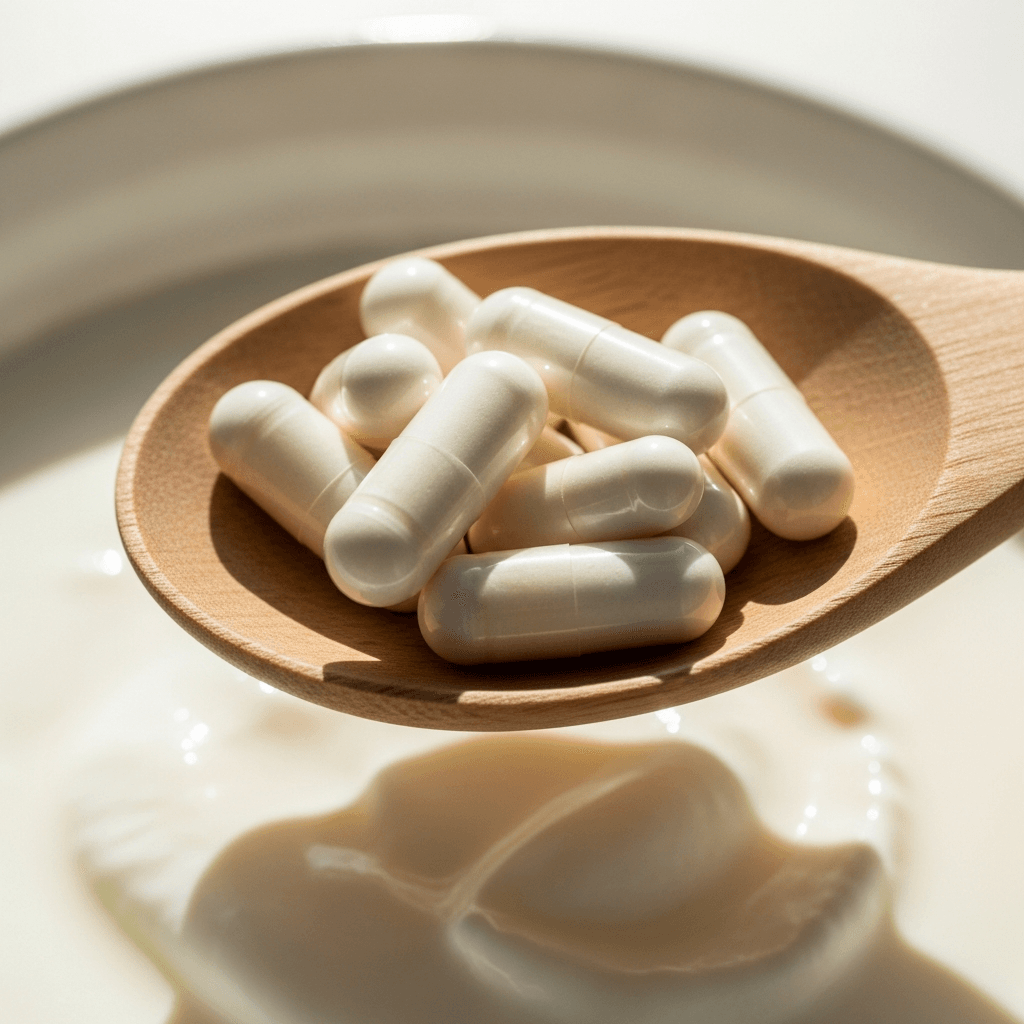
Navigating the choppy waters of perimenopause and menopause often feels like a constant battle against unpredictable hot flashes, sudden brain fog, stubborn belly fat, and disrupted sleep. While declining ovarian function is the primary driver behind these shifting hormone levels, groundbreaking microbiome research reveals that a specialized collection of gut bacteria—known to scientists as the estrobolome—plays a massive role in regulating how much active estrogen circulates throughout your body. Specific probiotic strains like Lactobacillus reuteri produce essential enzymes that reactivate bound estrogen in your digestive tract, preventing it from being excreted as waste and effectively offering a natural, gut-driven hormonal boost. Supporting your microbiome with targeted probiotics and prebiotic fibers provides a powerful, low-friction pathway to ease menopause symptoms and protect long-term metabolic health.
The Estrobolome: How Your Gut Microbiome Controls Estrogen
To understand how a daily probiotic can influence midlife hormone levels, you have to look at how your liver and intestines process estrogen. Your body continually circulates estrogen through a multi-step detoxification pathway.
First, your liver metabolizes active circulating estrogen and binds it to a protective compound called glucuronic acid.
This process renders the estrogen temporarily inactive so it can travel safely through your bile into your digestive tract for elimination.
However, once that bound estrogen reaches your intestines, specialized bacteria in your estrobolome secrete an enzyme called beta-glucuronidase.
Beta-glucuronidase acts like a microscopic pair of scissors, uncoupling the bond between estrogen and glucuronic acid.
This uncoupling turns inactive estrogen back into its free, biologically active form, allowing it to be reabsorbed through your intestinal wall back into your bloodstream.
“Your gut microbiome acts as an endocrine organ. The estrobolome produces beta-glucuronidase enzymes that unbind excreted estrogen, allowing your body to reabsorb and reuse its own natural hormones.”
At a Glance: Gut Health vs. Estrogen Status
Comparing a healthy, balanced estrobolome against a depleted, dysbiotic gut reveals why microbiome care is essential for smooth menopause transitions.
| Microbiome Feature | Balanced Estrobolome (High Probiotic Diversity) | Dysbiotic Gut (Low Bacterial Diversity) |
| Primary Probiotic Strains | Lactobacillus reuteri, L. gasseri, Bifidobacterium | Overgrowth of opportunistic, inflammatory bacteria |
| Beta-Glucuronidase Activity | Optimal levels (Smooth estrogen recycling) | Excessively low or dangerously spiked activity |
| Circulating Estrogen Levels | Steady, supported baseline reabsorption | Rapid estrogen depletion via excess fecal waste |
| Menopause Symptom Profile | Milder hot flashes, steady mood & better sleep | Intense night sweats, rapid weight gain & joint pain |
| Gut Barrier Function | Tight intestinal lining (Low systemic inflammation) | Leaky gut lining driving chronic low-grade inflammation |
The Specific Probiotic Strain That Supports Estrogen Balance
Among hundreds of distinct bacterial species residing in the human digestive system, Lactobacillus reuteri (specifically strain L. reuteri 6475) stands out in clinical longevity research for its remarkable ability to support bone density, skin elasticity, and systemic hormone balance.
As estrogen levels drop during menopause, bone breakdown accelerates, raising the risk of osteopenia and osteoporosis.
Clinical trials show that women taking daily Lactobacillus reuteri experience significantly reduced bone mineral density loss compared to those taking a placebo.
By modulating systemic inflammation and optimizing gut beta-glucuronidase activity, this probiotic strain helps maintain protective estrogen signaling in bone tissue.
Furthermore, Lactobacillus species produce beneficial short-chain fatty acids (like butyrate and propionate) that strengthen the gut barrier.
A tight gut barrier prevents bacterial endotoxins from leaking into your bloodstream, eliminating the systemic inflammation that worsens hot flashes, mood swings, and metabolic resistance.
4 Additional Ways Gut Probiotics Ease Menopause Symptoms
Beyond recycling active estrogen, building a resilient microbiome targets the underlying drivers of midlife discomfort:
1. Reduces the Frequency and Severity of Hot Flashes
Systemic inflammation irritates the hypothalamus—the temperature-regulating center of your brain. By lowering inflammatory cytokines, targeted probiotics help stabilize your internal thermostat, reducing sudden flushing and night sweats.
2. Blunts Midlife Weight Gain and Insulin Resistance
Dropping estrogen levels often slow down resting metabolic rate and shift fat storage toward the abdomen. Lactobacillus gasseri and Bifidobacterium lactis strains improve insulin sensitivity, helping your body burn glucose efficiently instead of storing it as visceral belly fat.
3. Improves Mood, Focus, and Sleep Quality
Your gut bacteria produce over 90 percent of your body’s serotonin alongside calming neurotransmitters like GABA. Nourishing your microbiome elevates mood resilience, reduces brain fog, and supports restorative sleep cycles.
4. Enhances Nutrient and Mineral Absorption
Estrogen decline weakens the gut’s ability to absorb vital bone-building minerals. Beneficial bacteria lower intestinal pH, enhancing the bio-availability of calcium, magnesium, and zinc from your daily meals.
How to Fuel Your Estrobolome for Maximum Results
Taking a high-quality probiotic supplement is only half the equation; you must also feed those beneficial microbes so they can thrive and produce hormone-balancing enzymes.
- Eat Polyphenol-Rich Foods: Incorporate dark berries, green tea, pomegranates, and extra virgin olive oil to feed beneficial Lactobacillus and Bifidobacterium species.
- Add Prebiotic Soluble Fiber: Consume chia seeds, ground flaxseeds, cooked and cooled oats, and asparagus to supply the prebiotic fibers that gut microbes convert into healing short-chain fatty acids.
- Include Fermented Foods Daily: Eat small servings of plain kefir, kimchi, sauerkraut, or unsweetened yogurt to introduce diverse live bacterial cultures into your digestive tract naturally.
- Minimize Artificial Sweeteners and Excess Alcohol: Synthetic sugars and heavy alcohol intake disrupt the gut lining and destroy delicate estrobolome populations.
2 Common Probiotic Mistakes That Worsen Hormone Imbalance
Avoiding these two frequent traps ensures your gut health strategy delivers real menopause relief:
Mistake 1: Choosing Low-Quality, Single-Strain Supplements
Buying cheap store-brand probiotics with unverified strains often yields zero benefits because the bacteria die in stomach acid before reaching your intestines. Look for delayed-release capsules featuring clinical strains like Lactobacillus reuteri and Lactobacillus gasseri with guaranteed colony-forming units (CFUs).
Mistake 2: Ignoring Dietary Fiber Intake
Taking a probiotic without eating adequate prebiotic fiber is like planting seeds in dry desert sand. Without soluble fiber to feed on, introduced probiotic strains cannot colonize your digestive tract or produce the beta-glucuronidase needed to support estrogen recycling.
Related Articles
- Gynecologists Say These 9 Simple Habits Keep Your Ovaries Young and Healthy for Decades
- The 30-Second Biological Age Test That Predicts How Long You’ll Live—Most People Over 40 Fail It
- Taking Blood Sugar Medication? These 6 Supplements Could Be Canceling Out Your Dose Without You Knowing
- Scientists Just Discovered a Tea + Vitamin Pair That Rejuvenates Aging Brain Cells—Here’s What You Need to Know
- Before You Buy Another Supplement, Read This—5 Must-Know Facts That Could Save Your Health