FREE SHIPPING OVER $50

Taking Blood Sugar Medication? These 6 Supplements Could Be Canceling Out Your Dose Without You Knowing

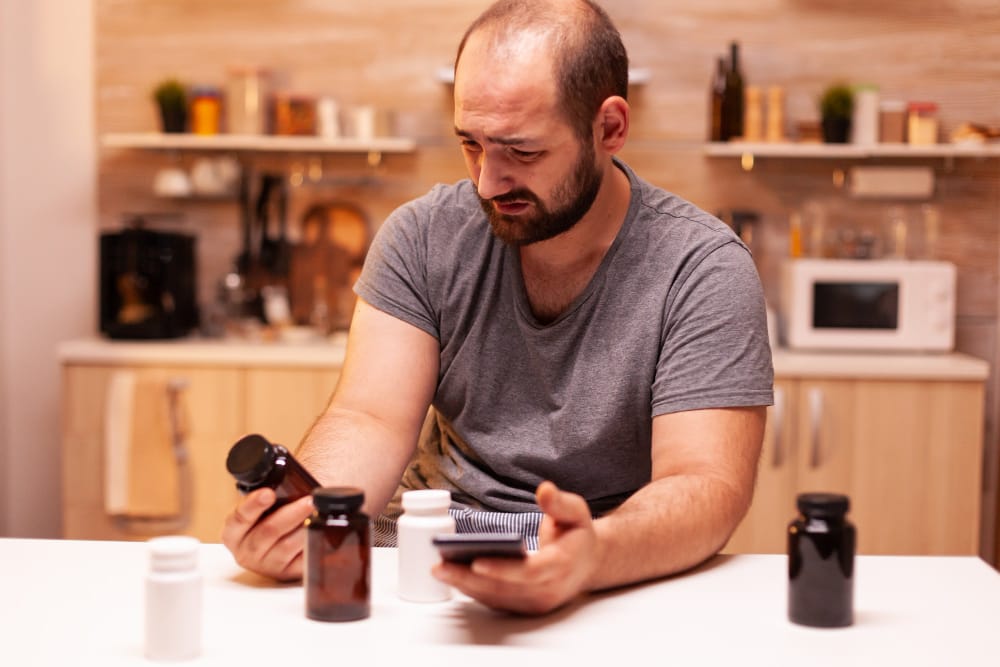
Managing your daily glucose levels takes constant effort, but if your daily blood sugar readings stay erratic despite taking your prescription medication exactly as directed, an innocent over-the-counter daily vitamin or herbal extract in your cabinet might be actively canceling out your treatment.
How Supplements Secretly Clash with Prescription Drugs
Over-the-counter supplements might seem harmless because they are sold right next to everyday groceries, but natural compounds alter your internal biochemistry just like prescription pharmaceuticals do. When you mix herbal extracts, minerals, or high-dose vitamins with diabetes treatments, two major types of dangerous interactions occur:
- Additive Interactions (Double-Dosing Effect): Certain supplements lower blood sugar through mechanisms similar to prescription drugs like Metformin, GLP-1 agonists, or insulin. Taking them together forces your glucose down too fast, triggering dangerous hypoglycemia.
- Antagonistic Interactions (Cancellation Effect): Some vitamins speed up how fast your liver flushes medication out of your system, while others decrease insulin sensitivity. This interaction leaves your prescription working at a fraction of its intended strength, leading to unexpected blood sugar spikes.
| Supplement Name | Primary Interaction Mechanism | Potential Health Consequence |
| St. John’s Wort | Accelerates liver enzyme clearance of drugs | Decreased medication effectiveness & higher blood sugar |
| Niacin (Vitamin B3) | Triggers temporary insulin resistance | Unexplained blood glucose spikes |
| Berberine | Amplifies prescription medication strength | Severe, sudden blood sugar crashes (hypoglycemia) |
| Ginkgo Biloba | Alters insulin secretion and breakdown rates | Erratic glucose swings and unpredictable readings |
| Ginseng | Stimulates extra insulin release from pancreas | Increased risk of shaky, sudden low sugar episodes |
| Fenugreek | Delays carbohydrate absorption and boosts insulin | Unexpected drops in fasting glucose levels |
The 6 Supplements Disrupting Your Blood Sugar Regimen
Knowing which over-the-counter products interfere with your prescriptions allows you to protect your metabolic balance and prevent medical complications. Here are the six most common supplements known to clash with blood sugar treatments.
1. St. John’s Wort
People frequently take St. John’s Wort to support positive mood and stress balance, yet it is one of the most problematic botanicals in natural medicine. St. John’s Wort triggers your liver to produce an abundance of metabolic enzymes, specifically CYP3A4, which break down medications rapidly.
Because your liver processes prescriptions faster than normal, the active chemical compounds in your blood sugar drugs drop below therapeutic levels. Consequently, your prescribed dose loses its potency, allowing your glucose levels to climb despite staying consistent with your daily pills.
2. High-Dose Niacin (Vitamin B3)
Niacin is an essential B vitamin that many people take in high doses to manage lipid panels and cardiovascular wellness. While standard dietary amounts in a multivitamin are completely fine, megadoses exceeding 500 milligrams can wreak havoc on your metabolic control.
High-dose niacin interferes with how your cells respond to insulin, effectively inducing temporary insulin resistance. Because your body becomes less receptive to insulin, your daily blood sugar medication has to work twice as hard to clear glucose from your bloodstream, leading to higher fasting blood sugar readings.
3. Berberine
Often marketed as a natural alternative for blood sugar control, berberine acts on cellular pathways very similar to Metformin. While that sounds beneficial on the surface, combining berberine with an existing prescription for type 2 diabetes creates a severe double-dosing effect.
When berberine and prescription hypoglycemic agents work simultaneously, your blood sugar can plummet past healthy levels. This sudden drop causes acute hypoglycemia, leaving you feeling dizzy, sweaty, anxious, and disoriented.
4. Ginkgo Biloba
Ginkgo Biloba remains a popular natural choice for supporting memory, focus, and peripheral blood circulation. However, clinical studies reveal that Ginkgo Biloba directly alters how the liver metabolizes insulin and oral diabetes drugs.
Taking Ginkgo alongside insulin or sulfonylureas disrupts the steady release of metabolic hormones in your body. This disruption causes unpredictable daily blood sugar swings, making it almost impossible for your doctor to determine if your medication dosage is actually working.
5. Panax Ginseng
Ginseng is widely consumed to boost daily physical energy, stamina, and mental performance. While it offers impressive metabolic properties on its own, it stimulates pancreatic beta cells to secrete additional insulin into your bloodstream.
If you already use synthetic insulin or medications that trigger insulin release, adding ginseng pushes your system into overdrive. The combined effect can cause rapid glucose drops, particularly if you take your supplements on an empty stomach or right after a workout.
6. Fenugreek
Fenugreek seeds are loaded with soluble fiber and natural plant chemicals that slow down carbohydrate digestion while enhancing insulin sensitivity. Many people incorporate fenugreek tea or concentrated capsules into their morning routines without realizing its potency.
When paired with a steady prescription dose, fenugreek significantly amplifies how quickly carbohydrates are cleared from your gut. This accelerated clearance can lead to unexpected, sharp glucose dips shortly after meals, leaving you feeling unexpectedly weak and fatigued.
Common Signs Your Supplements Are Interfering with Your Meds
Spotting a supplement-drug interaction early prevents long-term vascular complications and avoids unnecessary prescription adjustments. Watch out for these four telltale warning signs:
- Frequent Hypoglycemic Episodes: You regularly experience shakiness, cold sweats, rapid heartbeats, or lightheadedness, especially a few hours after taking your daily stack.
- Unexplained Glucose Spikes: Your diet, stress levels, and exercise routines remain completely stable, yet your home glucose monitor consistently displays elevated numbers.
- Worsened Digestive Upset: Combining active herbal compounds like berberine with Metformin frequently doubles the risk of severe nausea, abdominal cramping, and diarrhea.
- Wide Daily Sugar Fluctuations: Your blood sugar jumps erratically from high to low throughout the week without any obvious change in your eating habits.
4 Actionable Steps to Keep Your Supplement Regimen Safe
You do not necessarily have to abandon all dietary supplements, but managing them requires a cautious, structured approach to avoid health risks:
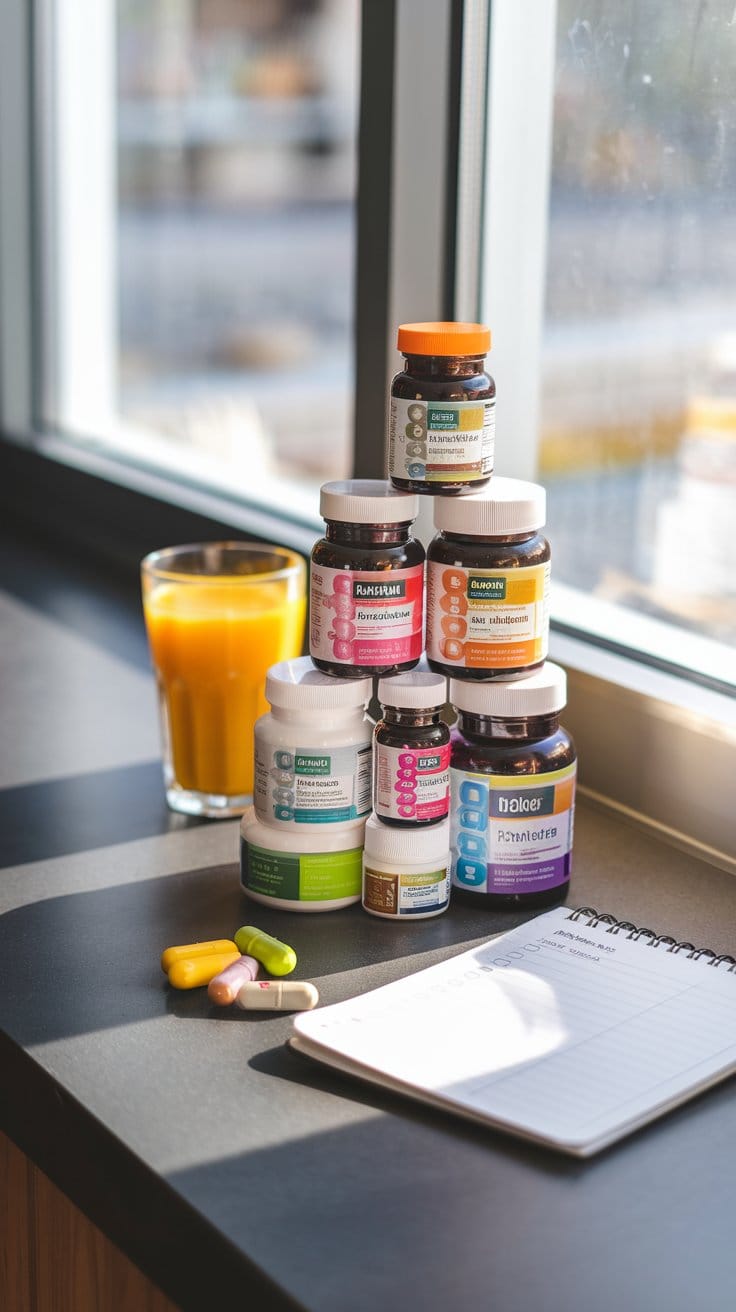
- Conduct a Cabinet Audit: Gather every single pill bottle, herbal tea, protein powder, and multivitamin you consume weekly and write down their exact dosages.
- Consult Your Healthcare Provider: Bring your complete list of supplements to your next doctor or pharmacist appointment so they can run an interaction check against your exact prescription.
- Stagger Your Timing: Never take herbal supplements at the exact same moment as your prescription blood sugar pills; separate them by at least two to three hours if cleared by your doctor.
- Track Your Readings: Log your blood sugar numbers alongside a quick note of which supplements you took that day to identify patterns before they turn into major health problems.
Related Articles
- The Vitamin Deficiency That Mimics Dementia So Perfectly Even Doctors Get Fooled—Here’s How to Test for It
- Magnesium Spray: The Secret Weapon for Better Sleep and Relaxation
- Primal Queen Reviews: The Truth About This Popular Supplement
- SEEQ Protein Review: Safety, Ingredients, and Benefits
- You’re Probably Skipping This Protein—And That’s a Huge Mistake