FREE SHIPPING OVER $50

Europeans Eat Bread, Cheese, and Pasta Every Day—So Why Aren’t They Fat? A Nutritionist Explains

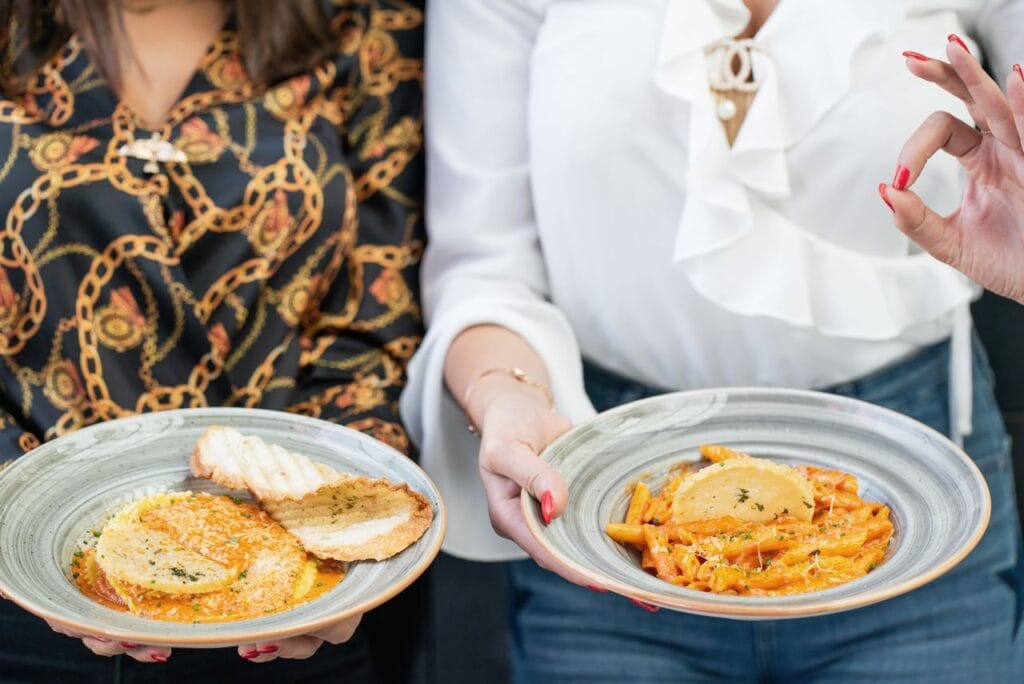
Step into a sidewalk cafe in Paris, Florence, or Barcelona, and you will see locals casually enjoying crusty baguettes, aged full-fat cheeses, and rich plates of pasta without a shred of guilt or dietary anxiety. In contrast, modern diet culture has taught millions of people to treat carbohydrates and dairy as dangerous metabolic enemies responsible for stubborn weight gain and sluggish energy. Yet, European populations routinely consume these traditional staple foods every single day while maintaining significantly lower rates of obesity and metabolic disease. This apparent paradox is not magic or genetic superiority; rather, it comes down to fundamental differences in food manufacturing, sourdough fermentation, daily movement patterns, and mealtime culture.
It Begins with the Wheat: Processing and Ingredients
When you pick up a loaf of traditional European bread, you are looking at three or four basic ingredients: flour, water, salt, and yeast or sourdough starter. In comparison, commercial mass-produced bread sold in supermarket aisles often contains over twenty different additives, including dough conditioners, high-fructose corn syrup, canola oil, and chemical preservatives designed to extend shelf life for weeks.
Furthermore, chemical regulations differ dramatically across international borders. European food safety standards strictly ban additives like potassium bromate—a dough strengthener linked to cellular stress—and azodicarbonamide. Additionally, European bakers typically use softer wheat varieties with lower gluten density and cultivate traditional sourdough starters. Sourdough fermentation allows natural bacteria to slowly break down starches and proteins, creating a lower glycemic index product that is much easier on your digestive tract and blood sugar levels.
The Al Dente Factor: How Cooking Changes Pasta’s Chemistry
If you visit Italy, you will quickly notice that pasta is never served soft or mushy. Instead, Italians cook pasta al dente, meaning “to the tooth,” leaving a firm center when bitten.
This culinary habit is not just about texture; it dramatically alters how your digestive system processes carbohydrates. Cooking pasta al dente preserves its crystalline starch structure. Consequently, your digestive enzymes take significantly longer to break down the starches into glucose. This slower digestion rate results in a substantially lower glycemic index, preventing the sharp insulin spikes that drive rapid fat storage and subsequent energy crashes.
Additionally, letting pasta cool slightly creates resistant starch—a special type of dietary fiber that bypasses normal digestion and feeds beneficial gut bacteria in your large intestine. These gut microbes produce short-chain fatty acids like butyrate, which enhance insulin sensitivity and support long-term metabolic health.
The Daily Walking Habit: Natural Movement Over Gym Stress
Another major distinction lies in daily movement patterns. In many car-centric cities, getting physical activity requires a deliberate trip to the gym. Once the workout ends, the rest of the day is often spent sitting at a desk or in a car.
In European towns and cities, movement is seamlessly built into the physical environment. High-density urban planning, cobble-stone pedestrian zones, and accessible public transit mean that walking is the primary mode of transportation. The average European easily logs 8,000 to 12,000 steps a day simply running errands, walking to work, or strolling after dinner—a traditional habit known in Italy as la passeggiata.
This consistent, low-intensity movement is known scientifically as Non-Exercise Activity Thermogenesis (NEAT). Walking right after meals helps your active muscles absorb glucose directly from your bloodstream without requiring excessive insulin releases. This effortless glucose disposal plays a massive role in keeping body fat levels low.
Real Cheese and the Full-Fat Dairy Matrix
For decades, low-fat diet guidelines instructed people to avoid full-fat dairy due to saturated fat content. Yet, European cultures have consumed rich cheeses like Parmigiano-Reggiano, Brie, and Gouda for centuries without elevated obesity rates.
Nutritional science now recognizes the “cheese matrix effect.” The unique structural complex of proteins, calcium, phosphorus, and beneficial fats in traditional aged cheese alters how your body metabolizes lipids. Aged cheeses are rich in conjugated linoleic acid (CLA) and natural probiotics, both of which support gut health and metabolic efficiency. Furthermore, full-fat cheese triggers satiety hormones like cholecystokinin (CCK) far better than processed low-fat alternatives, preventing overeating.
Comparing Dietary Habits and Lifestyle Structures
Let’s break down the major operational differences between traditional European eating patterns and modern ultra-processed diet habits.
| Lifestyle Factor | Traditional European Model | Ultra-Processed Modern Model |
|---|---|---|
| Bread Preparation | Slow sourdough fermentation, few ingredients | Fast commercial yeast, added sugars & preservatives |
| Pasta Cooking Method | Firm al dente texture (lower glycemic index) | Overcooked/soft texture (higher glycemic spike) |
| Daily Activity | 8,000+ steps from built-in walking culture | Car-dependent, sedentary with isolated gym sessions |
| Cheese Selection | Aged, raw, full-fat whole food dairy | Highly processed, emulsified low-fat or oil-based singles |
| Meal Eating Speed | Slow, social, sit-down dining experience | Fast, distracted eating on-the-go or in front of screens |
| Ingredient Standards | Strict bans on synthetic food dyes & additives | Widespread use of high-fructose corn syrup & emulsifiers |
Mindful Eating and Portion Architecture
Food culture in southern and western Europe revolves around the ritual of dining rather than quick fuel consumption. Meals are viewed as social occasions to connect with family and friends rather than something to rush through while staring at a screen.
When you eat slowly and chew your food thoroughly, your digestive tract has sufficient time to signal your brain that you are full. It takes approximately twenty minutes for satiety hormones like leptin and peptide YY to register in your hypothalamus. Eating quickly while distracted often leads to consuming hundreds of excess calories before your brain realizes you are satisfied.
Portion architecture also differs significantly. In European cuisine, pasta is rarely served as an enormous main course piled high on a single plate. Instead, it is served as a primo—a modest first course designed to precede a lean protein and vegetable dish (secondo). This balance ensures that carbohydrates are enjoyed as part of a complete, nutrient-rich meal rather than an overwhelming overload of refined calories.
5 Practical Habits to Enjoy Carbs and Stay Lean
You do not need to move across the world to benefit from these time-tested metabolic strategies. By making a few intentional shifts in how you select, prepare, and enjoy your food, you can enjoy delicious carbohydrates without compromising your physical health.
- Choose Real Sourdough or Unrefined Flour: Look for authentic fermented sourdough bread made with just flour, water, salt, and starter. Fermentation significantly reduces phytic acid and improves nutrient absorption.
- Cook Your Pasta Al Dente: Stop overcooking your noodles. Pull your pasta off the stove two minutes earlier so it retains a firm, chewable core to keep blood sugar stable.
- Walk for 10 Minutes After Main Meals: Take a short, casual walk right after eating lunch or dinner. This simple routine encourages your skeletal muscles to clear glucose from your blood instantly.
- Ditch Low-Fat Dairy for Real Aged Cheese: Swap processed cheese slices and reduced-fat spreads for authentic aged cheeses. You will feel far more satisfied with smaller portions.
- Remove Distractions During Mealtime: Turn off screens, sit down at a table, and put your fork down between bites. Eating mindfully dramatically improves digestion and prevents accidental overeating.
Related Articles
- Stop Cooking With This Oil If You Have Fatty Liver—It’s Silently Making Your Condition Worse, Warn Doctors
- Forget Probiotics: Yogurt’s Best-Kept Secrets Include Stronger Bones, Lower Blood Pressure, and Faster Muscle Recovery
- Eat These 12 Magnesium-Rich Foods or Keep Feeling Tired—Your Call
- Weight Gain vs. Berries: The Battle You Didn’t Know You Needed
- Want Abs? These 10 Foods Are Practically Your Personal Trainers