FREE SHIPPING OVER $50

Longevity Strength Standards: The Exact Numbers Men at 40, 50, and 60 Should Hit (And Why Most Fall Short)

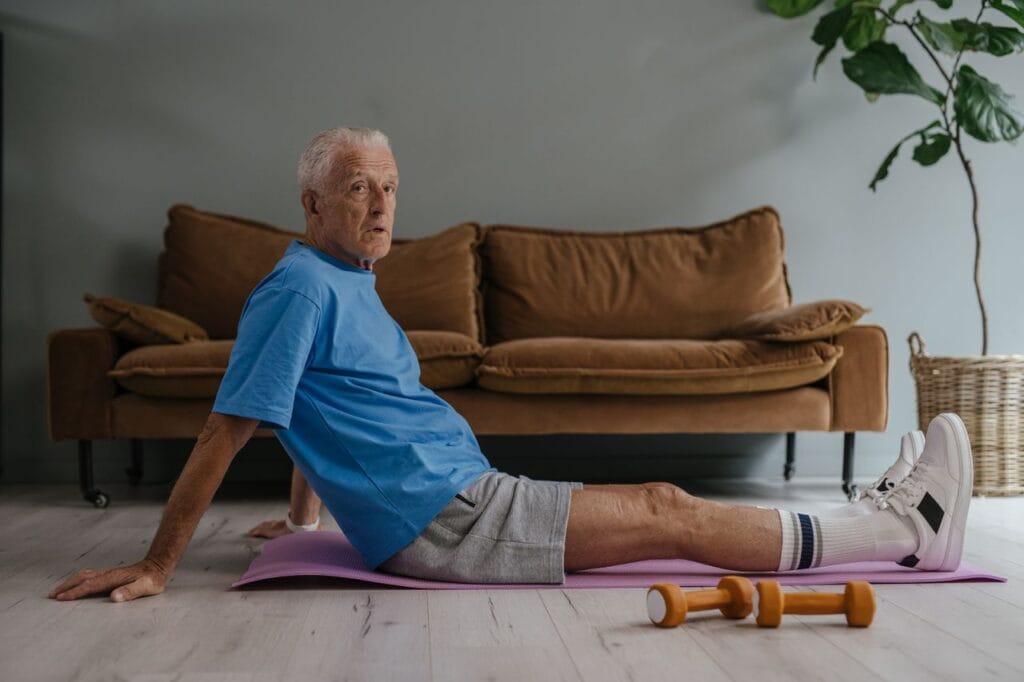
If you believe that turning 40, 50, or 60 means accepting a slow slide into physical weakness, medical research has a wake-up call for you: your muscular strength is actually one of the single most reliable predictors of how long—and how well—you will live. While most men focus exclusively on cholesterol numbers and blood pressure readings, studies show that lean muscle mass and functional strength act as direct metabolic armor against heart disease, cognitive decline, and early mortality. However, the vast majority of middle-aged men fall well below the basic physical benchmarks required to maintain lifelong independence and health. Understanding where you currently stand—and hitting the target strength numbers for your decade—can mean the difference between thriving in your later years or struggling with daily physical tasks.
Muscle as Longevity Medicine: Why Strength Matters More Than Ever
Starting around age 30, men naturally lose roughly 3 to 8 percent of their muscle mass per decade—a process known clinically as sarcopenia. Once you hit age 50, that rate of muscle loss accelerates significantly if you do not actively fight against it with resistance training.
Muscle is far more than an aesthetic asset for the gym floor. In fact, medical researchers increasingly view skeletal muscle as a vital endocrine organ that regulates blood sugar, protects bone density, and supports your immune system.
When you possess adequate muscle strength, your risk of all-cause mortality drops dramatically. Stronger muscles stabilize your joints, reduce systemic inflammation, and protect your spine during everyday activities. Furthermore, maintaining physical power ensures that simple actions like carrying heavy groceries, climbing stairs, or lifting luggage remain effortless throughout your life.
The 5 Crucial Longevity Strength Tests Every Man Must Take
Rather than focusing on massive bodybuilder lifts that strain your joints, longevity strength relies on functional, compound capabilities. These five foundational exercises test your real-world physical resilience, core stability, and nervous system health.
- Grip Strength (The Dead Hang): Your hand grip correlates directly with cardiovascular health and overall nervous system vitality. Testing your ability to hang from a pull-up bar measures raw grip endurance and shoulder joint integrity.
- The Relative Deadlift: Hinging at the hips to lift a load off the ground tests the posterior chain—your glutes, hamstrings, and lower back muscles. A strong posterior chain prevents debilitating lower back issues as you age.
- The Goblet or Back Squat: Squatting assesses lower body power, hip mobility, and knee stability. Being able to stand up smoothly from a deep position reflects true functional independence.
- The Farmer’s Carry: Carrying heavy weights while walking exposes weaknesses in core stability, shoulder girdle endurance, and total-body coordination.
- Bodyweight Push-Ups: Upper body pressing power combined with core stability indicates robust metabolic fitness. Long-term health studies show a strong link between higher push-up capacity and reduced risk of cardiovascular events.
The Exact Strength Standards for Men at 40, 50, and 60
To evaluate your current baseline, use these evidence-based benchmarks tailored to your age bracket. These targets reflect bodyweight ratios and simple performance counts that prioritize structural longevity over ego-driven max lifts.
| Strength Test | Age 40-49 Standard | Age 50-59 Standard | Age 60-69 Standard |
| Dead Hang (Grip Endurance) | 60 seconds continuous | 45 seconds continuous | 30 seconds continuous |
| Deadlift (1-Rep Max Ratio) | 1.5x bodyweight | 1.25x bodyweight | 1.0x bodyweight |
| Goblet/Back Squat | 1.0x bodyweight for 5 reps | 0.75x bodyweight for 5 reps | Bodyweight parallel squat for 10 reps |
| Farmer’s Carry (30 Seconds) | 1.0x bodyweight total (0.5x per hand) | 0.75x bodyweight total | 0.5x bodyweight total |
| Strict Push-Ups | 25 consecutive reps | 15 consecutive reps | 10 consecutive reps |
Breaking Down Your Age Benchmarks
The 40s: Building the Metabolic Shield
During your 40s, career demands and family schedules frequently cause men to neglect consistent resistance training. However, this decade represents your critical window to lock in bone density and metabolic health before significant age-related hormonal shifts occur.
A 40-year-old man weighing 180 pounds should comfortably deadlift 270 pounds with pristine form. Additionally, hanging from a pull-up bar for 60 seconds should feel manageable rather than exhausting. Hitting these 40s standards guarantees that your joints and connective tissues remain resilient against early degradation.
The 50s: Preserving Power and Preventing Joint Strain
As you enter your 50s, recovery times lengthen, and joint cartilage requires smarter training choices. Consequently, maintaining strength becomes less about adding massive weight and more about maintaining power and movement quality.
At age 50, deadlifting 1.25 times your bodyweight demonstrates robust hip strength that keeps your spine safe during awkward movements. Furthermore, performing 15 strict push-ups without sagging at the hips proves that your shoulder complex and core remain fully functional.
The 60s: Protecting Independence and Preventing Falls
By your 60s, maintaining physical strength transitions into preserving absolute personal freedom. Accidental falls remain one of the primary causes of physical decline in older adults, and strong legs are your best defense.
A 60-year-old man who can carry half his bodyweight across a room for 30 seconds possesses the core stability required to prevent trips and falls. Likewise, performing 10 deep bodyweight squats ensures that getting up from low chairs or navigating steep staircases remains effortless.
Why Most Men Fall Short of These Numbers
Despite the obvious benefits of physical power, statistics show that over 75 percent of men over 40 fail to meet these baseline standards. Understanding why men struggle allows you to avoid common training pitfalls.
Mistake 1: Relying Exclusively on Steady-State Cardio
Many men over 40 attempt to stay fit solely through jogging, cycling, or walking. While aerobic fitness is crucial for your heart, cardio alone cannot prevent age-related muscle loss. Without dedicated resistance training, prolonged cardio can accelerate muscle wasting over time.
Mistake 2: Poor Protein Distribution and Inadequate Nutrition
To preserve or build lean muscle mass after age 40, your body requires higher protein intake due to age-related anabolic resistance. Most men consume the majority of their protein at dinner while skimping on breakfast and lunch. To maximize muscle protein synthesis, aim for roughly 0.8 to 1.0 gram of protein per pound of target body weight, spread evenly across your daily meals.
Mistake 3: Ego Lifting and Ignoring Joint Warm-Ups
Another common trap involves lifting heavy weights with poor mechanics, leading to joint injuries that interrupt training for months. When you train for longevity, execution speed, full range of motion, and joint control matter far more than pushing dangerous weights with terrible technique.
Mistake 4: Neglecting Grip and Core Stability
Many men focus exclusively on mirror muscles like the chest and biceps while ignoring grip strength and core bracing. Weak hands and an unstable midsection limit how much weight your nervous system allows you to lift safely during compound movements.
A Simple 4-Step Action Plan to Reach Your Longevity Targets
If you currently fall short of your age bracket targets, do not panic. Your body retains the ability to build muscle and adapt to resistance training well into your 70s and 80s. Following a structured approach will help you safely close the gap.
- Prioritize Compound Lifts First: Focus 80 percent of your gym time on multi-joint movements like squats, hinges, pushes, pulls, and carries rather than isolated machine exercises.
- Apply Progressive Overload Gradually: Slowly increase either the weight, repetitions, or control of your movements every few weeks. Micro-progressions keep your joints safe while signaling your muscles to grow stronger.
- Incorporate Daily Mobility Work: Spend 5 to 10 minutes every morning working on ankle, hip, and thoracic spine mobility to ensure you can reach full depth on squats and overhead carries safely.
- Optimize Recovery and Sleep: Muscle growth and neural repair occur during deep sleep. Aim for 7 to 8 hours of quality sleep per night to allow your body to rebuild after hard workouts.
Related Articles
- I’m a Longevity Doctor—This 30-Second Sit-and-Rise Test Predicts Early Death Better Than Most Blood Tests
- Loneliness After 60 Is Optional: 15 Apps That Build a Thriving Social Life (No Grandkids Needed)
- The Missing Link to Living Longer? New Research Says These 8 B Vitamins Quietly Repair Your DNA and Slash Disease Risk
- Before You Buy Another Supplement, Read This—5 Must-Know Facts That Could Save Your Health
- Forget Collagen and NAD+: This Cheap Supplement Is What Women Over 40 Should Actually Be Taking