FREE SHIPPING OVER $50

Cranberries’ Secret Weapon Isn’t Vitamin C—It’s This Red Pigment That Transforms Gut Health

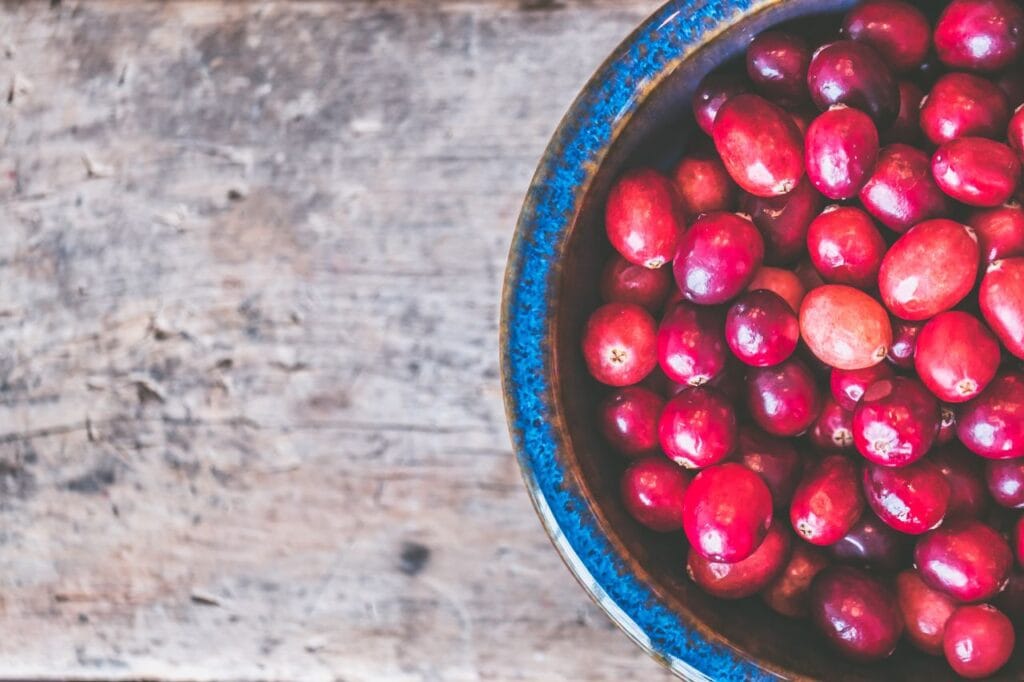
While millions of people routinely reach for cranberry juice to tackle urinary tract issues or boost their daily Vitamin C intake, cutting-edge nutritional science reveals that the berry’s most impressive health feature is actually its deep red pigment. Known scientifically as A-type proanthocyanidins (or A-type PACs for short), these complex plant compounds pass through your stomach almost completely intact, traveling straight to your lower digestive tract where they perform remarkable work for your gut microbiome.
What Makes the Red Pigment in Cranberries So Unique?
Bright red, blue, and purple fruits usually owe their stunning hues to a broad family of antioxidants called polyphenols. However, cranberries stand out from nearly every other fruit in your grocery aisle because of the specific chemical structure of their pigment compounds.
Most common fruits like apples, grapes, and cocoa contain B-type proanthocyanidins. While B-type antioxidants are certainly healthy, your stomach acid and upper digestive enzymes break them down relatively quickly. Consequently, only a tiny fraction of those compounds ever reaches your colon to interact with your resident gut bacteria.
In contrast, cranberries contain rare A-type proanthocyanidins. The unique molecular double-bonds in A-type PACs make them incredibly resistant to acid breakdown. As a result, when you eat cranberries, these vibrant red pigments travel safely through your stomach and small intestine, arriving in your large intestine where over 90 percent of your gut bacteria reside.
How Cranberry Pigments Fuel Your Microbiome
Once these red pigments land in your large intestine, they act as powerful prebiotics. Rather than being absorbed directly into your bloodstream, they serve as specialized nourishment for beneficial species of gut bacteria.
Recent clinical studies demonstrate that consuming cranberry polyphenols dramatically increases populations of Akkermansia muciniphila. This specific bacterial strain plays a crucial role in maintaining human metabolic health, controlling blood sugar, and protecting the lining of your gut wall.
Furthermore, as your good microbes ferment these red pigments, they produce essential compounds called short-chain fatty acids (SCFAs), particularly acetate and butyrate. These fatty acids act as the primary fuel source for the cells lining your intestinal tract, keeping your digestive system strong and resilient.
| Antioxidant Source | Primary PAC Chemical Structure | Digestion Survival Rate | Main Gut Target |
| Cranberries | A-type Proanthocyanidins | High (Resists stomach acid) | Akkermansia & Mucosal Layer |
| Apples | B-type Proanthocyanidins | Moderate to Low | Upper GI Absorption |
| Red Grapes | B-type Proanthocyanidins | Moderate | General Polyphenol Diversity |
| Cocoa / Dark Chocolate | B-type Proanthocyanidins | Low | Upper GI Breakdown |
4 Remarkable Gut Benefits of Cranberry Pigments
The interaction between cranberry PACs and your digestive system creates several cascading health benefits that extend far beyond basic digestion.
1. Strengthening the Gut Mucosal Barrier
Your intestinal lining is protected by a delicate layer of mucus that prevents undigested food particles, toxins, and harmful microbes from leaking into your bloodstream. By feeding Akkermansia muciniphila, cranberry pigments encourage your body to produce a thicker, healthier mucus layer. This reinforced barrier helps protect against leaky gut syndrome and keeps your systemic immune system calm.
2. Preventing Harmful Bacteria From Sticking
The same anti-adhesion mechanism that makes cranberries famous for urinary health works inside your stomach and intestines as well. A-type PACs feature a physical structure that prevents problematic bacteria, such as Helicobacter pylori (which causes stomach ulcers) and bad strains of E. coli, from clinging to your mucosal walls. Instead of taking root and causing inflammation, these unwanted pathogens simply flush out of your system naturally.
3. Calming Intestinal Inflammation
Chronic low-grade gut inflammation often manifests as bloating, irregular bowel movements, and food sensitivities. Cranberry pigments act as natural anti-inflammatory agents within the gut lumen. They inhibit key pro-inflammatory signaling pathways, soothing irritated tissue and supporting smoother overall digestion.
4. Expanding Bacterial Diversity
A healthy gut is a diverse gut. Research shows that individuals who regularly consume polyphenol-rich foods like cranberries display a much wider variety of beneficial bacterial strains. This microbial diversity is strongly linked to stronger immunity, better mood balance, and improved metabolic health.
Whole Berries vs. Juice: Navigating the Supermarket Aisle
To reap the full gut-transforming benefits of cranberry pigments, you need to choose the right form at your local grocery store. Unfortunately, many popular commercial cranberry products on supermarket shelves do more harm than good for your digestive system.
Standard “cranberry juice cocktail” beverages are often loaded with high-fructose corn syrup or added cane sugar to mask the berry’s natural tartness. Consuming large amounts of refined sugar actually feeds bad bacteria and yeast in your gut, effectively undermining the protective benefits of the red pigments.
| Cranberry Form | PAC Concentration | Added Sugar Level | Impact on Gut Health |
| Fresh or Frozen Whole Berries | Very High | Zero | Exceptional (Includes dietary fiber) |
| 100% Pure Unsweetened Juice | High | Zero | Excellent (Concentrated pigments) |
| Dried Cranberries (Sweetened) | Moderate | High | Moderate (Check labels for low-sugar options) |
| Cranberry Juice Cocktail | Very Low | Very High | Poor (Sugar counteracts benefits) |
| Concentrated Extracts / Powders | Exceptionally High | Zero | Great for targeted supplementation |
Easy Ways to Add Cranberry Pigments to Your Routine
Incorporating raw or unsweetened cranberries into your diet might sound intimidating due to their sharp, puckering flavor, but simple culinary tweaks make them easy and delicious to enjoy every day.
- Blend Into Morning Smoothies: Toss a half-cup of frozen whole cranberries into your blender alongside sweet fruits like bananas, mangos, or blueberries. The natural sweetness of the other fruits easily balances out the tartness while keeping all the beneficial pigments intact.
- Mix Pure Juice with Sparkling Water: Dilute two ounces of 100 percent pure unsweetened cranberry juice into eight ounces of cold sparkling water with a squeeze of fresh lime. This creates a refreshing, gut-healthy mocktail packed with active PACs.
- Stir Concentrated Powder into Oatmeal: Add a teaspoon of freeze-dried cranberry powder to your warm morning oatmeal, chia seed pudding, or plain Greek yogurt alongside a drizzle of raw honey and a handful of walnuts.
- Simmer a Fresh Savory Relish: Gently simmer fresh cranberries with orange zest, grated ginger, and a touch of maple syrup to create a tangy relish that pairs perfectly with roasted turkey, chicken, or grilled vegetables.
Related Articles
- You’re Eating Sweet Potatoes Wrong—This One Simple Trick Unlocks 3x More Vitamin A, According to Dietitians
- If the Power Goes Out Tomorrow, You’ll Wish You’d Stocked These 25 Foods That Last 25+ Years
- The #1 Bone-Destroying Food in Your Pantry Is Undoing Every Calcium Supplement You Take (Cut It for 90 Days)
- Dentists Reveal the 10 Worst Foods and Drinks Silently Destroying Your Tooth Enamel Right Now (You Probably Eat #3 Daily)
- Doctors Are Shocked: This Cheap, High‑Protein Snack Lowers Cholesterol Better Than Oatmeal