FREE SHIPPING OVER $50

What Daily Protein Powder Is Quietly Doing to Your Gut, Kidneys, and Hormones That Most Labels Never Mention

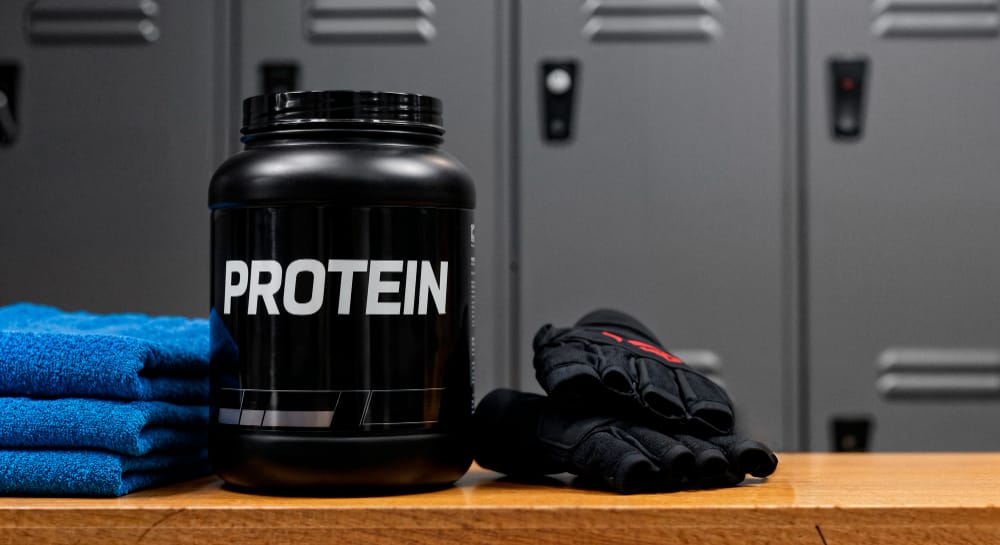
You scoop it into your morning smoothie without a second thought. It sits on your kitchen counter, promising muscle recovery and a convenient protein boost. But while you focus on the gains, something else is happening behind the scenes. That daily protein powder may be affecting your body in ways the supplement facts panel never discusses.
Protein powders have become a staple in millions of households. They promise convenience, muscle support, and weight management in one simple scoop. Yet research reveals that your daily habit could be influencing three critical systems—your gut, your kidneys, and your hormones—without you even realizing it.
What Happens Inside Your Gut When You Drink Protein Powder Daily
1. Your Microbiome Takes the Hit
Your gut contains trillions of microorganisms that influence everything from digestion to immune function. When you consume concentrated protein daily, this delicate ecosystem shifts.
Research examining protein supplementation found it significantly alters gut microbiota composition. In studies involving high-protein interventions, bacterial diversity changed measurably, and microbial structure shifted depending on the protein source and individual characteristics. The effect was particularly notable because gut bacteria are closely tied to muscle health and overall wellbeing.
A review of whey protein studies reached a sobering conclusion. While protein can help build muscle and support recovery, it can also alter the gut microbiota in ways that may not be beneficial. The review noted that chronic protein intake could actually create gut-related complications, especially when consumption becomes excessive.
2. Why Fiber Disappears
Here is a problem nobody discusses: when you lean heavily on protein powder, whole foods get pushed off your plate. Those whole foods—beans, lentils, grains, fruits—provide the fiber your gut bacteria need to thrive.
Without adequate fiber, beneficial gut bacteria starve. Meanwhile, protein-fermenting bacteria flourish, potentially increasing compounds that irritate the gut lining. The balance tips, and digestive comfort declines.
3. Digestive Distress Is More Common Than You Think
Milk-based proteins like whey and casein can trigger gas, bloating, diarrhea, or stomach cramping—especially in people with dairy sensitivities or lactose intolerance.
Even plant-based options are not immune. Soy and pea protein powders sometimes cause bloating due to their fiber content. The very ingredient meant to simplify your nutrition can make you deeply uncomfortable.
Your Kidneys Are Quietly Working Overtime
Every gram of protein you consume must be processed. Your kidneys filter the byproducts, and when protein intake climbs, so does their workload.
A study examining high milk protein diets in rats found significant increases in uric acid and urea levels—both indicators of heightened kidney activity. The research concluded that high protein intake can worsen existing kidney problems, particularly in cases of deteriorated kidney function.
Who Should Actually Worry
For healthy adults with normal kidney function, moderate protein powder use does not typically cause problems. The real risk concentrates on people with undiagnosed kidney issues or chronic kidney disease.
Research clearly shows that individuals with kidney disease who consume high amounts of protein experience faster kidney function decline over time. The Kidney Disease Outcomes Quality Initiative recommends that adults with chronic kidney disease limit dietary protein intake.
The tricky part? Many people have no idea their kidney function is compromised until problems become advanced. Those daily scoops could be accelerating a problem you do not know you have.
Dehydration Multiplies the Risk
Protein metabolism produces nitrogenous waste that requires water for excretion. When you consume concentrated protein without increasing fluid intake, your kidneys face an even greater challenge. Dehydration amplifies the stress, and most people simply do not drink enough water to compensate.
What the Label Is Not Telling You
Supplement labels in many countries are not required to list every potential side effect. Regulatory frameworks allow protein powders to be sold with structure/function claims that describe how a nutrient affects the body, but these claims must include a disclaimer stating the product is not intended to diagnose, treat, cure, or prevent any disease.
What does this mean for you? Manufacturers can tell you their protein “supports muscle recovery” without explaining what else it might do. The burden of research falls on you.
Contaminants Nobody Mentions
Independent testing has revealed a concerning truth: some protein powders contain heavy metals, pesticides, and other contaminants. The Clean Label Project screened 134 products and found these unwanted additions in many of them. Long-term exposure to such contaminants may be linked to serious health concerns.
Even more troubling, added ingredients like caffeine, creatine, or artificial sweeteners sometimes appear in protein powders without obvious labeling. These additives carry their own side effects.
The Dosage Deception
Serving sizes on protein powder containers can be notoriously misleading. A product may list nutritional information for one scoop, but the recommended use might suggest two or three scoops daily. Combined with protein from meals, you can easily consume far more than your body needs without realizing it.
How to Use Protein Powder Smarter
Research does not suggest you must throw out your protein tub. It does suggest you should use it more strategically.
- Check your total intake first: Most adults need between 0.8 and 1.6 grams of protein per kilogram of body weight daily, depending on activity level. Track your food for a few days before adding powder to see what you actually need.
- Rotate your protein sources: Relying exclusively on one type exposes you consistently to the same potential drawbacks. Alternating between whey, pea, soy, and whole food proteins diversifies your amino acid profile and reduces monotonous stress on your system.
- Look for third-party testing: Organizations like NSF Certified for Sport and the Clean Label Project verify product purity. Their seals indicate the manufacturer has undergone independent quality screening.
- Watch for hidden additives: Scan ingredient lists for caffeine, creatine, sugar alcohols, and artificial sweeteners. These extras often cause more immediate problems than the protein itself.
- Hydrate aggressively: For every additional scoop of protein powder, increase your water intake accordingly. Your kidneys will thank you.
- Listen to your gut: Bloating, cramping, or changes in bowel habits after starting protein powder signal that your digestive system is not happy. Switching to a different protein source or reducing your serving size often resolves these issues.
The Bottom Line on Your Daily Scoop
Scientific evidence makes one thing clear: protein powder is not neutral. It actively influences your gut bacteria, alters the workload on your kidneys, and interacts with your hormonal systems. Whether these effects help or harm depends heavily on your individual health, the quality of your product, and how much you consume.
The label will not tell you about potential heavy metal contamination. It will not explain that your gut microbiome might shift in unpredictable ways. It will not warn you about testosterone changes observed in research settings or the risk of consuming protein with undiagnosed kidney issues.
But now you know. Choose your powder carefully, monitor your body’s response, and remember that supplements supplement—they do not substitute for a balanced diet built on whole foods.
Related Articles
- The Midnight Spike: 5 Common Supplements Doctors Say Are Secretly Stealing Your Deep Sleep
- Your Grandmother Was Right: 5 “Old-World” Supplements Science Just Verified for Cellular Fatigue
- Reverse Aging? A Neuroscientist Says These 3 Morning Supplements Are Basically a Time Machine
- The One Vitamin Linked to a 49% Drop in Dementia Risk — Are You Getting Enough of It?
- The Plaque-Clearing Pill? This Specific Supplement Is Showing Record Success in Blocking Alzheimer’s