FREE SHIPPING OVER $50

Researchers Explain Why Exercise Builds Bones at the Cellular Level — and the Specific Type That Matters

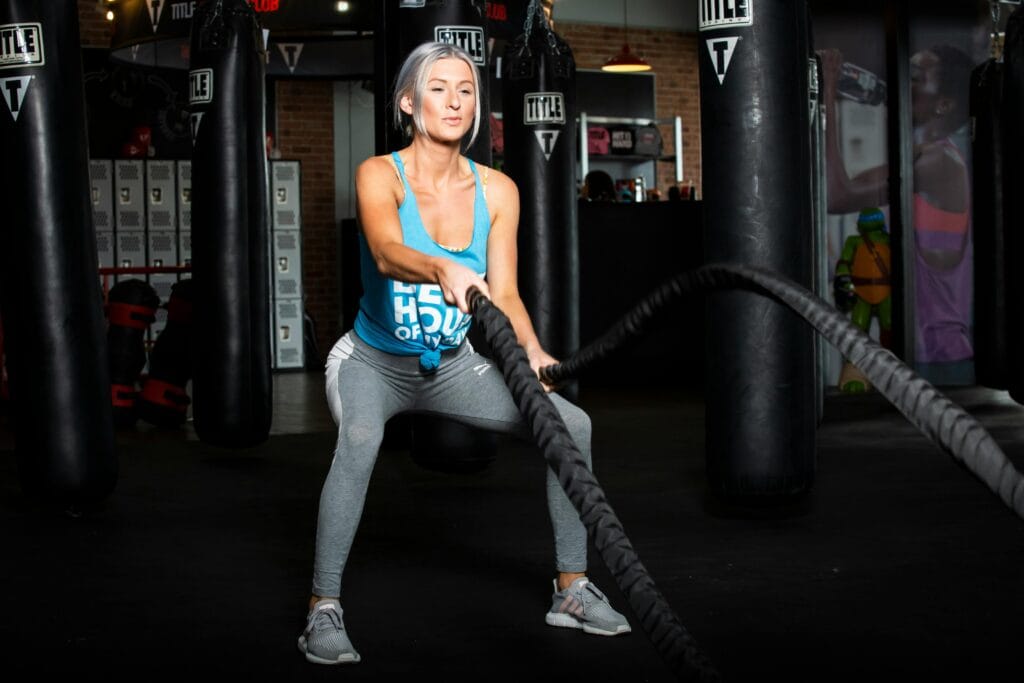
We often think of our bones as static, rock-like structures that simply hold us up, but in reality, our skeleton is a living, breathing organ that is constantly listening to the world around it. For years, we’ve known that staying active helps prevent fractures, but researchers have finally cracked the code on exactly how movement talks to your cells to trigger bone building. It turns out that your bones aren’t just reacting to being moved; they are sensing mechanical pressure and converting it into a chemical signal that says, “Build more armor here.” This process happens at a microscopic level through a specialized network of cells that act like an internal engineering crew. However, not all movement is created equal. While a casual walk is great for your heart, it might not be enough to speak the language of your bones. To truly armor-plate your frame against aging, you have to understand the specific type of stress that forces your skeleton to stay young.
How Our Bones Listen to Movement
The magic happens thanks to a group of cells called Osteocytes. Think of these as the “foremen” of your skeletal construction site. They live inside tiny fluid-filled channels within your bone tissue. When you subject your body to physical stress, like jumping or lifting something heavy, the fluid inside these channels moves. This movement, known as “fluid shear stress,” is the literal signal that tells the osteocytes it is time to get to work.
Once the signal is received, the osteocytes recruit two other types of cells: Osteoblasts (the builders) and Osteoclasts (the cleanup crew). In a healthy, active body, the builders are constantly adding new minerals like calcium and phosphorus to the bone matrix. This process, called “Osteogenesis,” keeps your bones flexible yet incredibly strong. Without this constant mechanical feedback, the cleanup crew starts to outpace the builders, leading to the hollow, brittle bones we associate with old age.
Shutterstock
The Specific Type of Exercise That Matters: Osteogenic Loading
If you want to move the needle on your bone density, you need to focus on Osteogenic Loading. This isn’t just “staying busy” or doing light yoga; it refers to the specific amount of force required to trigger bone growth. Research suggests that for the hip bone, for example, you need a force of about 4.2 times your body weight to actually spark new mineral growth.
While that sounds like a lot, it doesn’t mean you have to be an Olympic powerlifter. It means you need Impact and Resistance. The goal is to provide a brief, intense mechanical challenge to the skeleton. This challenge acts as a biological alarm clock, waking up the builders and telling them that the current frame isn’t strong enough for the demands of your life.
Impact vs. Non-Impact: The Bone Growth Hierarchy
| Exercise Type | Bone Building Potential | Primary Mechanism | Example |
| High Impact | Very High | Rapid Fluid Shear Stress | Jumping, Running, Plyometrics |
| Heavy Resistance | High | Muscle-to-Bone Tension | Squats, Deadlifts, Overhead Press |
| Low Impact | Low | General Movement | Walking, Cycling, Swimming |
| Vibration Therapy | Moderate | Micro-Oscillations | Vibration Plates |
The Power of Tug and Pull: Muscle-to-Bone Tension
It’s not just the impact of your feet hitting the ground that builds bone; it’s the physical pull of your muscles. Every time a muscle contracts, it pulls on a tendon, which in turn pulls on the bone it’s attached to. This tug creates a mechanical strain that the osteocytes perceive as a need for more reinforcement.
This is why Resistance Training is so critical for longevity. When you lift a heavy weight, you aren’t just making your biceps bigger; you are literally pulling on the bone of your arm and shoulder, forcing the internal architecture of the bone to thicken. This is especially important for the spine and wrists—two areas that are highly susceptible to fractures but don’t always get impacted from walking or running.
Understanding Bone Quality vs. Bone Density
Most doctors focus on Bone Mineral Density (BMD) through DEXA scans, but researchers are finding that Bone Quality (or micro-architecture) is just as important. Think of it like a bridge: you can have a bridge made of thick concrete (density), but if the internal steel cables are rusted or poorly placed (quality), the bridge will still fail under pressure.
Targeted exercise improves the “cross-linking” of collagen fibers within the bone. This gives the bone a degree of flexibility, allowing it to bend slightly without snapping. A dense bone that is brittle is often more dangerous than a slightly less dense bone that is structurally sound and flexible. Exercise is the only intervention that simultaneously improves both the weight of the bone and the quality of its internal design.
The “Sated” Bone: Why Short Bursts Work Best
Bones are surprisingly fast learners. Studies have shown that after just a few minutes of intense loading, the osteocytes become “saturated.” They’ve received the signal, and they stop responding to further stress for a few hours. This means that a 10-minute session of high-intensity jumping or heavy lifting can be more effective for bone health than an hour-long walk.
This biological saturation is great news for busy people. It means you don’t need to spend hours in the gym to protect your skeleton. You just need to provide a high-enough spike of intensity to trigger the signal. Once the signal is sent, you can go about your day while your “cellular engineering crew” works in the background to reinforce your frame.
3 Rules for Building a Bulletproof Frame
To ensure your workouts are actually building bone rather than just burning calories, follow these three science-backed rules:
- The Rule of Multi-Direction: Bones respond best to surprising forces. If you only ever walk forward, your bones adapt to that specific path. Try lateral lunges, dancing, or tennis—movements that challenge the bone from different angles.
- The Rule of Progressive Overload: Your bones are efficient. Once they are strong enough to handle your current workout, they stop growing. You must gradually increase the load or the impact to keep the osteocytes engaged.
- The Rule of Rest: Bone remodeling takes time. The cellular builders need a day or two to actually lay down new minerals. Avoid doing high-impact sessions every single day; give your skeleton the anabolic window it needs to recover.
Related Articles
- The 4 Morning Exercises Physical Therapists Say Rebuild Full-Body Strength Faster Than the Gym After 45
- How I Fixed My Backache by Strengthening Weak Hip Flexors — 4 Simple Exercises That Work
- I Started Lifting Weights at 50 With No Experience — Here’s the Full Routine That Built Genuine Strength by 60
- 75 Years Old, 30-Year-Old Joints: The “Anti-Rust” Protocol That Beats Weight Machines Every Time
- The 15-Minute Muscle Hack: Build Total Body Power and a “Bulletproof” Core with Just 2 Dumbbells