FREE SHIPPING OVER $50

If You Don’t Have This One Symptom, Your Electrolyte Supplements Are Just Expensive Urine, Says a Doctor

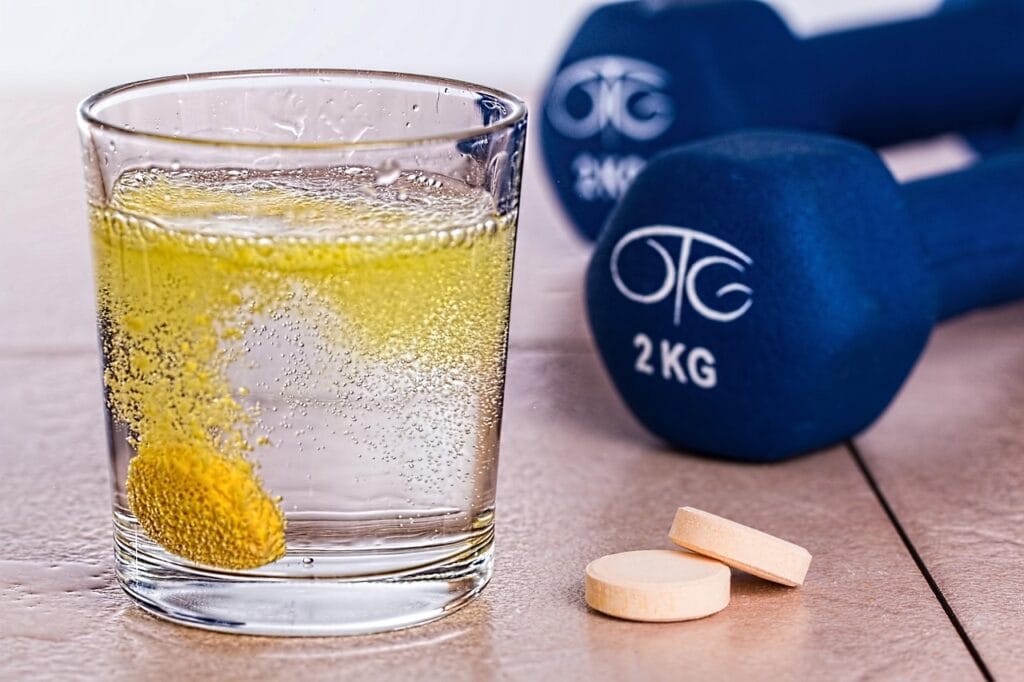
Walk into any local grocery store, gym, or gas station today, and you will find shelves packed with colorful hydration sticks, mineral drops, and fizzing electrolyte tablets. Modern marketing campaigns have successfully convinced the public that plain water is no longer sufficient for daily hydration, turning these mineral packets into a multi-billion-dollar wellness staple. Many people now dump these sodium-heavy powders into their water bottles while sitting at an office desk, driving a car, or watching television, believing they are optimizing their cellular health. However, prominent medical professionals are beginning to speak out against this hyper-hydration trend with a blunt biological truth. According to kidney specialists and sports physicians, if you are not experiencing the specific symptom of profuse, continuous sweating that lasts for over an hour, your body does not need an external mineral boost. Without this intense physical trigger, your highly efficient internal organs will immediately filter out those expensive powders, sending your hard-earned money straight down the plumbing system.
The Homeostasis Machine: How Your Body Handles Minerals
To understand why these trendy supplements are often completely unnecessary, we have to look at how the human body regulates its internal chemistry. Your cells operate within a incredibly narrow fluid window, maintaining a strict balance of water and essential minerals like sodium, potassium, calcium, and magnesium. This beautifully coordinated state of balance is called homeostasis.
Your kidneys act as the ultimate gatekeepers for this system, constantly filtering your blood volume to ensure mineral concentrations remain perfect. When you consume a packet loaded with 500 milligrams of sodium while sitting in an air-conditioned room, your bloodstream suddenly faces an artificial surplus of salt. Because your body does not have an immediate use for these extra minerals, your kidneys work overtime to flush them out through your urine. Consequently, you are not actually super-charging your cells; you are simply forcing your organs to eliminate a product you didn’t need in the first place.
Unmasking the One True Symptom: Profuse, Sustained Sweating
The entire scientific justification for using electrolyte supplements relies on one primary physiological event: heavy, clothing-drenching sweat that occurs over an extended period. When you exercise intensely in hot weather, work a demanding physical job outdoors, or push through a long-distance running session, your body uses sweat as an active cooling mechanism.
Sweat is not just plain water; it is a fluid solution that contains significant amounts of sodium and chloride, along with trace amounts of potassium. If you sweat continuously for more than sixty to ninety minutes, your systemic sodium levels will begin to drop noticeably. This specific level of depletion can lead to physical performance drops, muscle twitching, or severe heat cramps.
Therefore, if you are working out hard enough to completely soak your workout shirt, your body genuinely requires an electrolyte supplement to rebuild its blood volume. However, if your daily movement consists of a casual walk, a brief weightlifting session, or a standard office routine, your natural sweat rate is too low to cause a mineral deficit.
The Hydration Divide: Who Needs Powders vs. Who Needs Plain Water
The health industry often treats hydration as a universal prescription, but your actual mineral needs depend entirely on your daily physical output.
| Daily Activity Level | Primary Fluid Output | Best Hydration Source | What Happens to Electrolyte Supplements |
| Desk Work / Sedentary | Minimal (Breathing, light movement) | Plain filtered water | 100% filtered out as expensive waste |
| Light Exercise (< 45 Mins) | Mild sweat production | Water + balanced meal | Mostly excreted by healthy kidneys |
| Intense Training (1-2 Hours) | Moderate to heavy sweat | Water or light mineral mix | Absorbed to replace initial workout loss |
| Endurance / Outdoor Labor | Profuse, continuous sweat | High-sodium electrolyte mix | Fully utilized for cellular recovery |
The Hidden Risks of Electrolyte Overload
Many health-conscious consumers assume that consuming extra electrolytes is completely harmless even if they do not strictly need them. After all, if the kidneys flush out the excess, what is the harm in being safe? Unfortunately, flooding your digestive system with unnecessary minerals on a daily basis can cause several negative side effects.
First, many popular hydration packets contain surprisingly high doses of sodium, often ranging from 500 to 1,000 milligrams per serving. If you are already consuming a standard diet, adding multiple salty packets to your water can easily push your daily sodium intake past safe guidelines. Over time, this unnecessary salt load can place extra strain on your blood vessels, potentially raising your blood pressure and forcing your cardiovascular system to work harder.
Furthermore, concentrated doses of minerals can be incredibly irritating to a resting stomach. When a high concentration of sodium and potassium hits an empty stomach that hasn’t been emptied by exercise, it can cause an osmotic shift that draws water rapidly into your gut. This sudden fluid movement often results in unexpected issues, including:
- Upper abdominal bloating and gas retention
- Sudden stomach cramps during a workday
- Mild nausea or a heavy feeling in the stomach
- Loose stools or sudden digestive urgency
Real Food Swaps: Getting Your Minerals from Your Plate
Instead of relying on processed chemical powders to stay hydrated, you can easily maintain your fluid balance by eating a diet rich in whole foods. Nature packages water and minerals together perfectly, allowing your digestive system to absorb them slowly without overwhelming your kidneys.
- Bananas and Avocados: These fruits are absolute powerhouses when it comes to potassium, a mineral that helps regulate your heart rhythm and relaxes your blood vessel walls.
- Leafy Greens: Spinach, kale, and Swiss chard provide dense amounts of magnesium, which supports muscle relaxation and natural energy production.
- Celery and Cucumbers: These vegetables have an incredibly high water content and naturally contain trace amounts of sodium and chloride, making them perfect for natural hydration.
- Sea Salt and Bone Broth: If you genuinely need to replace salt after a sweaty workout, a mug of warm bone broth or a tiny pinch of unrefined sea salt in your water provides the necessary sodium without any artificial sweeteners.
Shifting the Focus Back to Pure H2O
The wellness community has accidentally villainized plain water, leading people to believe that standard tap or filtered water is somehow empty or useless. This perspective completely ignores human evolutionary biology. For thousands of years, the human body survived and thrived by sourcing its minerals from solid food and its hydration from clean natural springs.
Unless you are actively melting under a hot sun or running a marathon, plain water is exactly what your cells want. It cleanses your tissues, lubricates your joints, and transports nutrients through your blood without forcing your kidneys to clean up a messy surplus of artificial ingredients. Turning every glass of water into a high-dose supplement drink is a modern habit driven by creative marketing, not genuine biological necessity.
Related Articles
- I Was Diagnosed With Osteoporosis at 52—This Natural 3-Step Protocol Rebuilt My Bone Density in 12 Months
- The Silent Supplement Transforming Gut Health, Muscle Recovery, and Brain Power
- What Daily Protein Powder Is Quietly Doing to Your Gut, Kidneys, and Hormones That Most Labels Never Mention
- The Anti-Aging Checklist: 6 Vitamins That Act as a Biological Guardrail for Your Future Health
- Researchers Spent Years Comparing NAD+, NMN, and NR for Cellular Aging — Here’s What the Data Actually Shows