FREE SHIPPING OVER $50

The Dementia Trigger No One Tests For: Low Levels of This Vitamin Are More Dangerous When Your Hearing or Vision Fades


When you think about the biggest threats to your long-term brain health, things like genetic markers, high blood pressure, or a lack of deep sleep probably top the list, but a groundbreaking study reveals a surprising, hidden interaction that could be quietly fast-tracking cognitive decline. While independent health advocates consistently preach the dangers of sensory decline, researchers discovered that a common, easily fixable Vitamin D deficiency acts like rocket fuel for memory loss specifically when your hearing or vision begins to fade. If you or a loved one are struggling to follow conversations in noisy rooms or finding the newspaper harder to read, ignoring your nutritional baseline is no longer an option.
The Landmark Study: Connecting the Dots
For years, the longevity community viewed sensory loss and nutrient deficiencies as completely separate issues, but clinical researchers recently analyzed data from over 158,000 adults over the age of 50 to see how these factors interact over a ten-year period. What they uncovered was a massive, statistically undeniable compounding effect that completely shifts how we approach brain preservation.
When an individual suffers from a decline in vision or hearing, their baseline risk for memory loss already creeps upward, but adding a profound Vitamin D deficiency to that sensory impairment causes the statistical danger to skyrocket. The data points to a clear, graded relationship between your blood levels of this crucial nutrient and the speed of neurological decline.
| Neurological Condition | Risk Spike with Vitamin D Deficiency |
| All-Cause Dementia | 55% Higher Risk |
| Vascular Dementia | 70% Higher Risk |
| Alzheimer’s Disease | 48% Higher Risk |
| General Cognitive Impairment | 40% Higher Risk |
Even individuals who fell into the “insufficient” category, meaning their levels were low but not entirely bottomed out, faced a 39% higher risk of cognitive decline. This means that keeping your nutritional numbers at bare-minimum survival levels is not enough to safeguard your brain tissue if your sensory inputs are actively degrading.
The Sensory Strain: Why Your Brain Overheats
To understand why this nutrient gap becomes so incredibly dangerous when your eyesight or hearing fades, you have to look at how the human brain processes data. Your brain functions a lot like a high-powered computer processing unit. When your eyes see perfectly and your ears hear crisply, information flows into the central nervous system effortlessly, requiring very little computational energy.
However, when you experience age-related hearing loss or blurry vision, that smooth stream of data turns into a broken, static-filled signal. Your brain now has to work twice as hard to fill in the missing gaps during a basic conversation or a walk through a crowded environment. Neuroscientists refer to this exhausting phenomenon as an increased cognitive load.
When your grey matter spends all its daily metabolic energy simply trying to decode sounds and images, it has fewer processing resources left over for critical tasks like storing short-term memories or managing complex thoughts. Over time, this constant, unrelenting structural strain leads to rapid brain atrophy, which is the physical shrinking of critical brain regions like the temporal lobe.
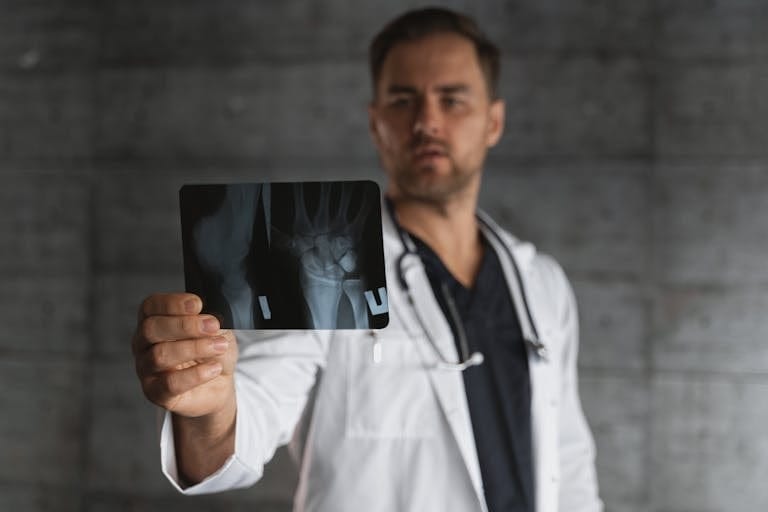
The visual reference below illustrates how an optimized nervous system handles clear environmental data with minimal effort, whereas a system fighting sensory loss requires massive, exhausting cognitive load just to decode basic surroundings.
The Neuroprotective Armor of Vitamin D
This is exactly where Vitamin D enters the picture as an absolute necessity rather than an optional supplement. Vitamin D does not just manage your bone density; it actually functions as a powerful neurosteroid that activates receptors throughout the entire central nervous system. When you have optimal circulating levels, this compound performs several critical maintenance tasks.
First, it acts as your brain’s clean-up crew by promoting the clearance of amyloid-beta and limiting the accumulation of tau proteins, which are the toxic biomolecules responsible for choking off healthy brain cells in Alzheimer’s patients. Additionally, it stabilizes vascular endothelial function, ensuring that a steady, oxygen-rich supply of blood reaches your deep brain tissue to prevent the microscopic strokes that cause vascular dementia.
When you allow your Vitamin D levels to plummet, you essentially strip away your brain’s primary defensive shield right when it needs it most. The structural strain of sensory loss combines with the inflammatory damage of a nutrient deficiency, creating a perfect storm for rapid neural degeneration.
The Vicious Cycle of Sensory Isolation
There is also a very real, behavioral reason why people with failing eyesight or hearing drop into severe nutritional deficiencies. When navigating the world becomes frustrating due to sensory challenges, individuals naturally begin to withdraw from their normal routines.
- They stop going for daily walks because uneven sidewalks become tripping hazards.
- They avoid outdoor social gatherings because background noise makes conversations exhausting.
- They spend significantly more time indoors, isolated from the natural world.
Because your skin requires direct exposure to ultraviolet sunlight to synthesize natural Vitamin D, this self-imposed indoor lifestyle creates a dangerous feedback loop. The sensory loss drives you indoors, the lack of sunlight causes your nutrient levels to crash, and the resulting deficiency accelerates the cognitive decline.
Testing and Optimizing Your Biological Levels
The absolute most dangerous thing about this health crisis is that standard annual physicals rarely check for it automatically. You must become your own health advocate and request a specific blood test known as a 25-hydroxyvitamin D test from your primary care provider.
Once you receive your lab results, look past the generic lab ranges. While conventional medicine often states that any number above 30 nanograms per milliliter (ng/mL) is acceptable, top-tier longevity protocols recommend aiming higher to achieve true neuroprotective benefits.
| Vitamin D Status | Blood Level Range (ng/mL) | Action Required |
| Severe Deficiency | Less than 20 ng/mL | High-dose clinical intervention needed |
| Insufficient | 20 to 29 ng/mL | Step up daily supplementation and sun exposure |
| Conventional Optimal | 30 to 40 ng/mL | Minimum level to prevent basic bone loss |
| Longevity Target | 50 to 80 ng/mL | Ideal range for robust cognitive protection |
If your numbers fall short of the longevity target, correcting the mistake requires a deliberate strategy. Relying solely on fortified foods like milk or cereal will not close a major biological gap. Instead, talk to your doctor about utilizing a high-quality Vitamin D3 supplement paired with Vitamin K2, which ensures the calcium mobilized by the nutrient lands safely in your bones rather than hardening inside your brain’s delicate arteries.
A Step-by-Step Brain Defense Plan
Safeguarding your mind as you age requires a proactive, dual-action approach. You cannot simply treat the nutrient deficiency while ignoring the sensory changes, or vice versa. You must address both sides of the equation simultaneously to build permanent resilience.
1. Know Your Numbers: Schedule a Blood Test.
Call your physician and explicitly request a 25-hydroxyvitamin D test. Do not guess your dosage or start blind supplementation, as everyone absorbs this fat-soluble nutrient at vastly different rates based on genetics and gut health.
2. Optimize Supplementation: Correct the Nutrient Gap.
If your levels are below 50 ng/mL, implement a daily Vitamin D3 supplement under medical guidance. Always pair it with a fat-containing meal to maximize absorption through the gut lining.
3. Address the Inputs: Get Professional Sensory Audits.
Schedule comprehensive annual hearing and vision exams. If an audiologist recommends hearing aids, or an optometrist updates your lens prescription, utilize those tools immediately. Reducing the raw strain on your brain preserves cognitive reserve.
4. Reengage with Nature:Implement Safe Sun Exposure.
Aim for 10 to 15 minutes of direct mid-day sunlight on your arms and legs several times a week without sunscreen, provided it is safe for your skin type. This stimulates natural, raw synthesis to complement your nutritional routine.
Related Articles
- I’m a Longevity Scientist—This Rare Deep-Sea Nutrient Lengthened My Telomeres and Dropped My Biological Age by 12 Years
- I’m a Neurologist and This Is the One Subtle Sign That Tells Me a Patient Might Be on the Dementia Path (Before Any Formal Diagnosis)
- Future-Proof Your Brain: The “Anti-Aging” Exercise Routine Doctors Recommend to STOP Dementia & Memory Loss
- Over 50? These 15 Foods Are Practically a Recipe for Dementia
- The Mind-Preserving Diet: 6 Doctor-Approved Foods That Guard Against Alzheimer’s & Cognitive Decline