FREE SHIPPING OVER $50

The Viral Chia Seed Water Habit That Can Actually Damage Your Gut, According to a Dietitian (Do This Instead)


If you spend any time scrolling through social media health trends, you have almost certainly seen people drinking a gel-like mixture of chia seeds and water. Promoted as an instant fix for bloating, sluggish digestion, and stubborn weight gain, this daily ritual has taken over wellness feeds. However, while chia seeds are an exceptional source of fiber and essential nutrients, drinking them incorrectly can quickly turn a trendy habit into a severe digestive issue. Dietitians warn that swallowing under-soaked chia seed water can trigger intense stomach pain, exacerbate constipation, and even lead to dangerous blockages in your digestive tract.
Why the Viral Trend Can Backfire on Your Digestive Tract
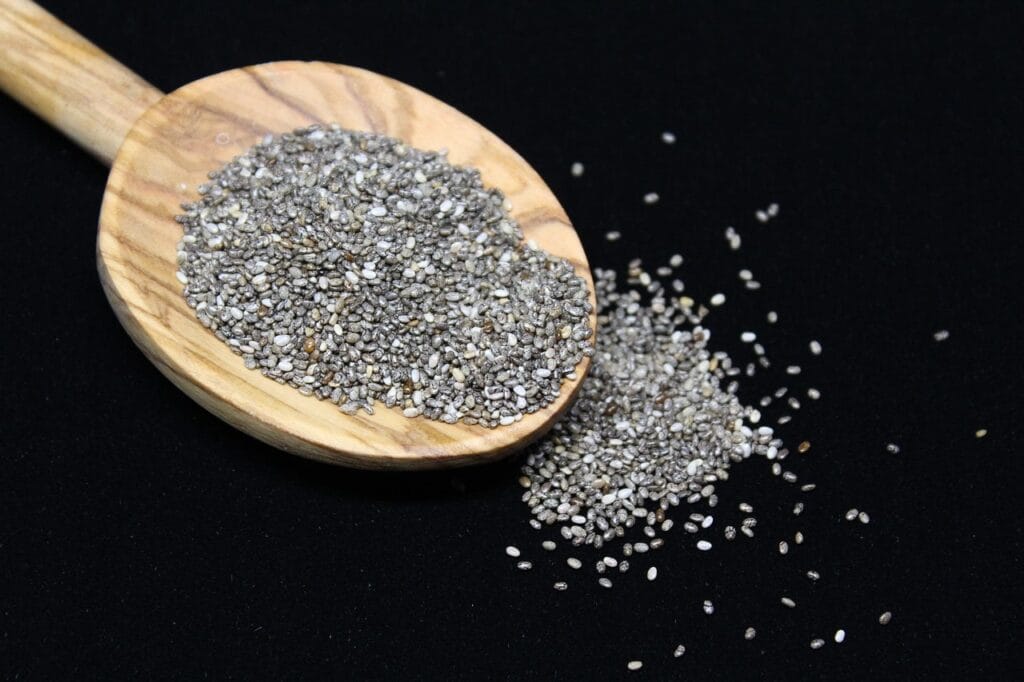
Chia seeds possess a unique physical property: they absorb up to 12 times their weight in liquid. When you mix raw chia seeds into a glass of water and drink them right away, that rapid expansion does not happen in your cup. Instead, it occurs directly inside your stomach and intestines.
If you swallow seeds that have not fully expanded, they extract liquid from your internal tissues to complete their gel-forming process. This hydration pull causes three major issues:
- Painful Gas and Abdominal Cramps: Dumping a concentrated mass of expanding fiber into an unprimed gut triggers rapid bacterial fermentation, leading to immediate swelling and discomfort.
- Worsened Constipation: Fiber requires plenty of fluid to pass through your colon smoothly. When dry chia seeds absorb your stomach fluids, they form a thick mass that stalls bowel movements.
- Esophageal and Intestinal Obstructions: In severe cases, unexpanded seeds can lodge in the esophagus or narrow passages of the digestive tract, swelling until they cause a physical blockage that requires medical help.
The Danger of Fiber Shock
The average adult consumes about 15 grams of fiber per day, falling well short of the recommended target of 25 to 38 grams. While increasing your fiber intake is generally beneficial, jumping from a low-fiber diet to drinking two tablespoons of chia seeds at once causes fiber shock.
Your gut microbiome requires time to adjust to sudden influxes of dietary fiber. Throwing a high dose of dense fiber into your digestive system without adequate preparation overwhelms your beneficial bacteria, resulting in bloating rather than smooth digestion.
Preparation Methods Compared
| Preparation Method | Expansion Status | Gut Health Risk | Impact on Hydration |
| Instant Drink (Unsoaked) | Expands inside the body | High risk of bloating and blockages | Draws moisture from internal tissues |
| Quick Stir (5 Minutes) | Partially expanded | Moderate risk of gas and cramping | Minimal hydration benefit |
| Fully Soaked (30+ Minutes) | Completely expanded gel | Low risk, smooth intestinal transit | Helps keep the digestive tract hydrated |
How to Eat Chia Seeds Safely (Do This Instead)
You do not need to eliminate chia seeds from your diet to maintain a comfortable stomach. By adjusting your preparation habits, you can gain all the nutritional advantages without experiencing discomfort.
1. Fully Soak Seeds Before Consumption
Always let chia seeds soak in liquid for at least 20 to 30 minutes before drinking or eating them. For optimal results, soak them overnight in your refrigerator. Once the seeds create a thick, gel-like texture, they have finished expanding and are safe to swallow.
2. Begin with Small Portion Sizes
If your body is unaccustomed to large amounts of fiber, avoid starting with two full tablespoons. Begin with half a teaspoon per day, allowing your gastrointestinal tract a week to adapt before gradually increasing your serving size.
3. Drink Additional Fluids Throughout the Day
Fiber acts like a sponge, requiring steady moisture to move through your system smoothly. Whenever you consume soaked chia seeds, follow them up with an extra glass of plain water to support your digestion.
4. Blend Seeds into Whole Foods
Instead of drinking seeds suspended in plain water, mix them directly into smoothies, warm oatmeal, or yogurt. Combining chia seeds with liquid-rich foods distributes the fiber evenly, reducing strain on your digestive system.
Alternatives for Gut Health and Regularity
If you want to encourage regular bowel movements without relying on chia seed water, several gentler options provide similar advantages:
- Warm Lemon Water: A mug of warm water with fresh lemon juice gently stimulates your gastrointestinal tract each morning.
- Ground Flaxseeds: Ground flaxseeds deliver plenty of soluble fiber, but their fine texture prevents them from forming dense, expanding gels in your stomach.
- Kiwi Fruit: Consuming two kiwis daily supplies natural enzymes and gentle fiber that encourage regular digestion without producing excess gas.
- Psyllium Husk: When mixed thoroughly with plenty of water, psyllium husk offers a predictable, controlled source of soluble fiber.
Viral health trends frequently turn nutritious foods into problematic daily routines. Chia seeds remain a nutritious superfood packed with healthy fats, protein, and essential minerals, but drinking them dry or under-soaked in water leads directly to digestive discomfort. To protect your gut health, give chia seeds adequate time to expand in liquid, start with modest portions, and drink plenty of water throughout the day.
Related Articles
- The 5 Supplements a GI Doctor Swears By to Unclog Your Gut and End Bloating for Good (None Are Probiotics)
- I’ve Helped 10,000 People Lose Weight—Here Are the Only Eating Plans That Actually Keep It Off
- Stop Wasting Your Mornings: 5 Fat-Burning Morning Habits That Melt Belly Fat Fast (Backed by Science)
- Doctors Settle the Debate: Calorie Deficit or Intermittent Fasting for Weight Loss?
- Dietitians Reveal 8 ‘Guilty’ Snacks That Burn Fat (Yes, Chocolate Made the List)