FREE SHIPPING OVER $50
Retirement Without a Creative Hobby Is Deadly—New Study Shows Men Who Paint, Write, or Play Music Live 7.5 Years Longer

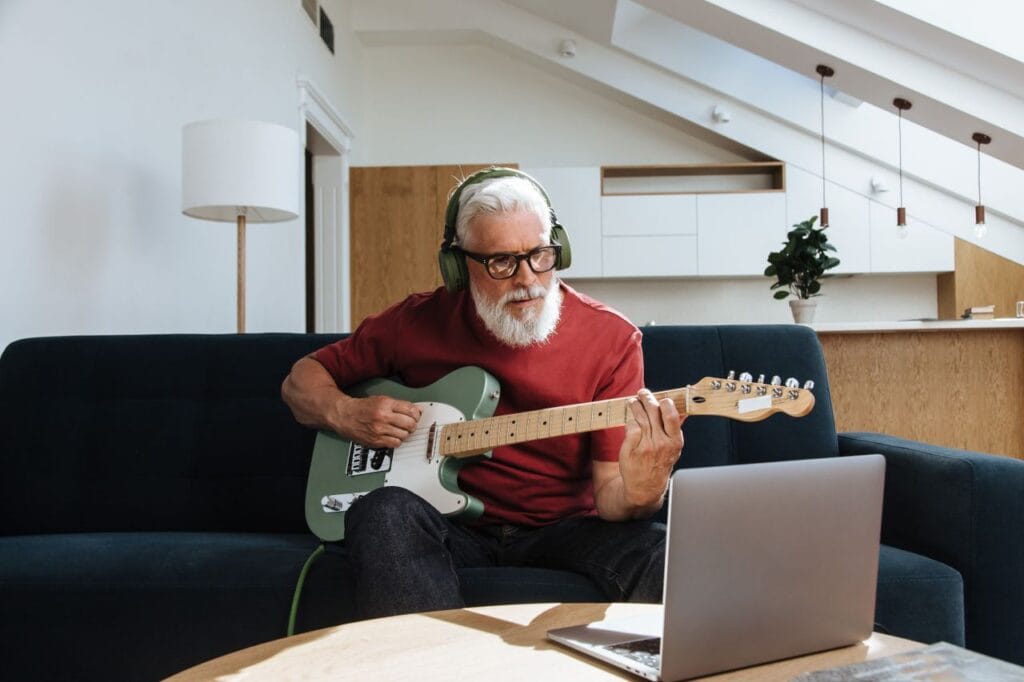
For decades, men pour their energy into careers, defining their personal worth by professional titles, heavy workloads, and daily achievements, only to step into retirement and face a quiet, unexpected crisis that modern medicine is just beginning to fully understand. While stepping away from the daily grind should theoretically usher in a golden era of relaxation, research shows that walking away from structured work without a passionate creative outlet can trigger a rapid downward spiral in both mental and physical health. Longevity researchers tracking thousands of retirees uncovered a striking phenomenon: men who regularly engage in creative hobbies like painting, writing, woodworking, or playing an instrument live up to 7.5 years longer than those who spend their post-career years on passive entertainment like television and scrolling through news feeds.
The Danger of the Post-Retirement “Purpose Vacuum”
When a man retires, he loses far more than a daily commute; he often loses his main source of cognitive challenge, social identity, and daily drive. Psychologists call this sudden shift the “purpose vacuum,” and its biological consequences are remarkably physical.
Without a demanding project or creative task to tackle every morning, the brain’s prefrontal cortex slowly downshifts its active neural networks. Blood flow to critical cognitive centers decreases, chronic stress hormones like cortisol quietly creep up, and the immune system begins to weaken over time. In fact, public health statistics consistently reveal a noticeable surge in cardiovascular events, depression, and cognitive decline during the first three years following retirement, particularly among men who lacked meaningful non-work interests.
Your body responds directly to how useful your brain feels. When you stop challenging your mind with fresh, complex problems, your central nervous system interprets that lack of stimulation as a signal that high-level function is no longer required, accelerating cellular aging across every organ system.
How Creativity Builds Neurological Youth
Why do creative arts like playing the guitar, painting a canvas, or drafting a short story exert such a massive protective effect on the human body? The answer lies in how artistic creation forces entirely different regions of your brain to communicate simultaneously.
Unlike passive activities where your mind sits in neutral, creative tasks demand active problem-solving, fine motor control, visual-spatial reasoning, and deep emotional processing. Neuroscientists call this mental workout the development of cognitive reserve.
When you learn a new song on the piano or map out a woodworking design, your brain releases a specialized protein called Brain-Derived Neurotrophic Factor (BDNF). BDNF acts like biological fertilizer for your neurons, stimulating the growth of new synaptic connections and protecting existing cells from oxidative stress. Over time, this newly built neural network allows your brain to bypass age-related structural damage, keeping your memory sharp and your nervous system resilient.
“Creative expression is not just a pleasant pastime for retirees; it is a neurological imperative that signals to the body that life is still active, engaging, and worth sustaining.”
Lowering Systemic Inflammation Through Creative Flow
While the brain benefits of creative hobbies seem obvious, their impact on systemic physical health is equally dramatic. Chronic, low-grade inflammation stands as a primary driver of heart disease, metabolic dysfunction, and age-related cellular decay.
When you immerse yourself in a creative project, your brain enters a psychological state known as flow. During flow, your focus narrows completely on the task at hand, time seems to vanish, and your sympathetic nervous system—the system responsible for fight-or-flight stress responses—powers down.
- Lowered Cortisol Levels: Studies show that just forty-five minutes of art-making or musical practice significantly reduces circulating cortisol levels in the bloodstream.
- Improved Heart Rate Variability: Engaging in creative expression stabilizes heart rate variability, signaling to your cardiovascular system that it is safe to rest and repair.
- Enhanced Immune Response: Active creative outlets boost natural killer cell activity, strengthening your body’s defense against cellular damage and seasonal infections.
This dramatic reduction in daily stress hormones protects your blood vessels from arterial stiffness, lowers your resting blood pressure, and keeps inflammatory cytokines from damaging healthy tissue.
Comparing Creative Hobbies and Their Brain Benefits
Not all leisure activities deliver equal longevity benefits. While watching sports or solving basic word puzzles offers temporary entertainment, hands-on creative pursuits engage the motor cortex and emotional brain far more intensely.
Why Beginners Gain the Biggest Longevity Advantage
Despite the overwhelming medical evidence supporting creative arts for longevity, many retired men resist picking up a paintbrush, a notebook, or an instrument. Society often conditions men to value immediate commercial productivity and competition over self-expression and exploratory play.
Many men fear being bad at a new skill, assuming that if they cannot paint like a master or play guitar like a professional, there is no point in trying. However, the biological benefits of creativity do not depend on talent or perfection.
In fact, brain scans demonstrate that complete beginners experience larger surges in dopamine and BDNF when learning a new art form than seasoned experts do. The therapeutic benefit comes entirely from the mental effort, curiosity, and hands-on engagement involved in the learning process, not the final product hanging on the wall.
Simple Ways to Build a Creative Routine in Retirement
If you are approaching retirement or already enjoying your post-career life, integrating creative play into your routine does not require a massive financial investment or a dramatic lifestyle overhaul.
- Start Small with Low Stakes: Pick up a simple sketchpad, an inexpensive beginner acoustic guitar, or a basic digital camera. Give yourself explicit permission to make terrible art while you learn the ropes.
- Set Up a Dedicated Workspace: Dedicate a specific corner of your garage, spare room, or desk solely to your project so you can dive in without setup friction whenever inspiration strikes.
- Focus on Process Over Result: Spend twenty to thirty minutes experimenting each morning before checking your phone or turning on the television.
- Join a Local Community Group: Look for local woodworking guilds, community music jams, or writing workshops to combine creative stimulation with regular social connection.
Related Articles
- A Heart Surgeon Just Told Me He’s Never Seen a Patient Die Who Took This Supplement Combo Daily—Here’s the List
- Brain Supplements Uncovered: What Works, What’s Hype, and What You Need to Know
- The Shocking Truth About Supplements and Health Over 60
- Reverse Aging: 15 Proven Ways to Turn Back the Clock by 12 Years for Those Over 50!
- Magnesium Magic: Top Picks for Women Over 40 and Their Health Benefits