FREE SHIPPING OVER $50

12 Science‑Backed Foods That Kill Bloating and Reveal a Flatter Tummy in Under 72 Hours

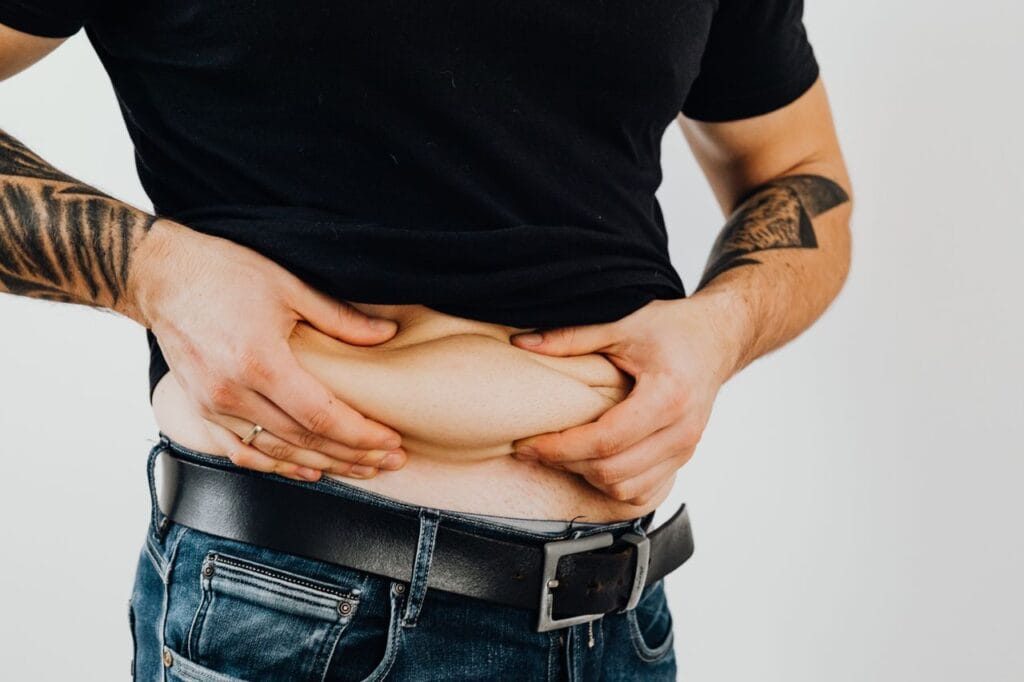
Before you cut calories or jump onto a restrictive cleanses, you need to understand one crucial truth: sudden belly expansion is rarely fat gain. True fat accumulation takes weeks of calorie excess, whereas midsection puffiness usually stems from fluid retention, trapped intestinal gas, and sluggish digestive transit.
When your body holds onto extra water, it usually points to an imbalance between sodium and potassium. High sodium intake pulls water directly into your extracellular spaces, while insufficient potassium keeps that fluid locked in place.
Simultaneously, slow digestion allows gut bacteria to ferment undigested food longer, generating gas that stretches your intestinal walls. Fortunately, specific foods contain natural digestive enzymes, gentle diuretics, and mineral balances that flush out surplus fluid and calm gut inflammation within twenty-four to seventy-two hours.
The 12 Science-Backed Foods That Flush Bloat
1. Fresh Cucumbers
Cucumbers consist of ninety-five percent water, making them one of nature’s best natural hydrating foods. Furthermore, they contain a flavonoid antioxidant called quercetin, alongside caffeic acid, which actively reduces swelling and fluid buildup. Snacking on sliced cucumbers or adding them to your water pitcher speeds up kidney filtration and helps your body flush excess sodium.
2. Fresh Ginger Root
Ginger has served as a digestive aid for centuries, and modern clinical research confirms its power. The active compounds in ginger, known as gingerols, accelerate gastric emptying—meaning food leaves your stomach faster and enters the small intestine smoothly. As a result, ginger prevents the heavy, sitting feeling after meals and relaxes intestinal spasms that trap gas.
3. Papaya
Papaya contains a potent proteolytic enzyme called papain. This enzyme helps your digestive tract break down stubborn protein molecules into easily absorbable amino acids. Consequently, papain reduces protein-induced fermentation in your lower gut, preventing painful gas bubbles from forming after dense meals.
4. Asparagus
Asparagus functions as a natural diuretic thanks to high levels of the amino acid asparagine. When you consume asparagus, your kidneys receive a signal to excrete excess water and salt through urination. Additionally, asparagus packs soluble prebiotic fiber that feeds beneficial gut flora, supporting long-term digestive regularity.
5. Fresh Pineapple
Pineapple houses bromelain, an enzyme mixture renowned for breaking down proteins and calming tissue inflammation throughout the GI tract. Eating fresh pineapple slices after lunch or dinner encourages smooth digestion and reduces abdominal tightness caused by heavy, complex meals.
6. Avocados
While many people avoid avocados when trying to slim down due to their fat content, they are actually de-bloating superstars. Avocados are packed with potassium, providing even more of this essential mineral per serving than bananas. Potassium prompts your kidneys to dump extra sodium, which rapidly relieves fluid retention around your waistline.
7. Fennel Seeds
Fennel seeds contain anethole, an organic compound that relaxes smooth muscle tissue throughout your gastrointestinal tract. Chewing a half-teaspoon of fennel seeds or sipping fennel tea after eating eases stomach cramps, dissipates trapped pockets of gas, and helps your midsection flatten out within hours.
8. Peppermint Tea
Peppermint leaves contain essential oils rich in menthol, which exerts an antispasmodic effect on your digestive muscles. Sipping warm peppermint tea relaxes the bile ducts and allows gas to move through your digestive system freely, eliminating visible distension and stomach discomfort.
9. Bananas
Unripe or slightly ripe bananas offer a dual benefit for de-bloating: abundant potassium and soluble fiber called pectin. While potassium balances your body’s fluid distribution, pectin sweeps gently through your intestines, promoting consistent bowel movements that clear out waste products holding onto extra volume.
10. Plain Kefir
Kefir is a fermented milk drink packed with dozens of unique probiotic strains. Unlike standard yogurt, kefir contains live cultures that actively populate your gut microflora, crowding out gas-producing bacteria that cause abdominal distension. Regular consumption supports a balanced microbiome and significantly reduces chronic bloating.
11. Celery
Celery provides a high concentration of water along with essential electrolytes like sodium and potassium. It also contains organic compounds called phthalides, which help relax muscle tissue in blood vessel walls and promote fluid balance. Nibbling on fresh celery sticks encourages steady urination without washing away critical minerals.
12. Watermelon
Watermelon is ninety-two percent water and contains high levels of the amino acid L-citrulline. L-citrulline supports healthy circulation and renal function, helping your kidneys clear out fluid buildup efficiently. Enjoying a bowl of chilled watermelon delivers sweet hydration while actively flattening your midsection.
Quick Guide: De-Bloating Foods at a Glance
To help you quickly pick the right food for your needs, review this simple breakdown:
| De-Bloating Food | Primary Active Component | How It Works | Best Time to Consume |
| Cucumbers | Quercetin & Caffeic Acid | Reduces fluid retention | Afternoon snack or in water |
| Fresh Ginger | Gingerols | Speeds up stomach emptying | Before or immediately after meals |
| Papaya | Papain Enzyme | Breaks down heavy proteins | Dessert after dense dinners |
| Asparagus | Asparagine | Acts as a gentle natural diuretic | Dinner side dish |
| Fennel Seeds | Anethole Oil | Relaxes intestinal spasms | Post-meal chew or tea |
| Plain Kefir | Live Probiotics | Rebalances gas-causing bacteria | Morning smoothie base |
How to Get Results Within 72 Hours
To maximize these foods and see visible changes in your tummy contour quickly, follow these simple daily habits:
- Begin with Warm Ginger Tea: Drink a cup of warm water infused with freshly grated ginger root right after waking up to kickstart gut motility.
- Combine Potassium and Water: Pair hydrating foods like cucumber and watermelon with potassium sources like avocado to balance your cellular fluid levels.
- Chew Slowly: Take time to chew every bite thoroughly to prevent swallowing extra air, which accounts for up to half of all trapped stomach gas.
- Skip Carbonation and Chewing Gum: Avoid sparkling beverages and gum, as both introduce unnecessary air into your digestive tract and undo your progress.
Related Articles
- The Silent Heart Killer Hiding After Every Meal—And It’s Not Your Cholesterol or Blood Pressure
- Stop Feeling Guilty—These 8 “Cheat Day” Snacks Are Scientifically Proven to Burn Belly Fat (Yes, That Chocolate Bar Counts)
- Stop Making These 6 Mistakes If You Want to Lose Weight—Experts Explain Why
- Is Phenylalanine Secretly Sabotaging Your Diet? Here’s the Truth
- Top FODMAP-Friendly Protein Powders and Meal Replacements You Need Now