FREE SHIPPING OVER $50

My Visceral Fat Dropped 22% in 3 Months After I Started Buying These 7 Groceries Every Week (Dietitians Confirm)

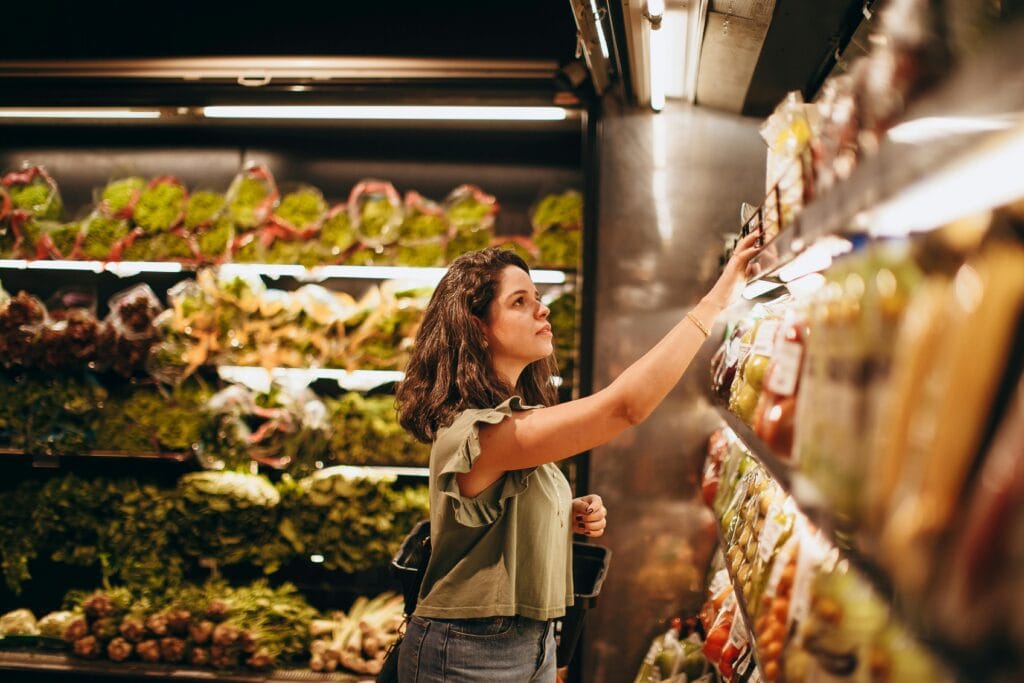
When I stepped onto a medical-grade body composition scanner a few months ago and discovered that my internal visceral fat levels were dangerously high, it felt like a massive wake-up call that completely redefined my approach to health. Unlike the soft subcutaneous fat that sits right beneath your skin and causes visible love handles, visceral fat is a hidden, highly inflammatory tissue that wraps itself tightly around your vital internal organs, including your liver, stomach, and intestines. Even if the numbers on your bathroom scale look perfectly normal, you can still carry a toxic amount of this internal padding, a metabolic condition that medical experts call thin-outside-fat-inside. Determined to fix my internal biochemistry without relying on extreme starvation tactics, I worked closely with registered dietitians to completely overhaul my weekly supermarket trips.
The Biological Danger of the Fat You Cannot See
To successfully clear out internal fat, you have to understand why it accumulates around your core in the first place. Visceral fat is not an inert storage layer; rather, it acts like an active, independent organ that constantly pumps out inflammatory proteins into your bloodstream. These inflammatory signals travel directly to your liver through the portal vein, disrupting your cholesterol balance, driving up cellular insulin resistance, and significantly increasing your risk of metabolic dysfunction.
The primary driver of this internal storage pattern is chronic elevations of a hormone called insulin, which stays spiked when you eat a modern diet filled with highly refined carbohydrates, hidden liquid sugars, and heavily processed seed oils. When your cells become numb to insulin, your body loses its ability to burn body fat for fuel, forcing it to stash the excess energy deep within your abdominal cavity. Therefore, the only way to reverse this process is to select foods that actively stabilize your blood sugar levels, lower systemic inflammation, and naturally encourage your liver to oxidize deep adipose tissue.
The 22% Reduction Matrix: Subcutaneous vs. Visceral Fat
| Characteristic | Subcutaneous Adipose Tissue | Visceral Adipose Tissue (Internal) |
| Physical Location | Directly beneath the surface of the skin | Deep inside the abdomen, surrounding internal organs |
| Visual Appearance | Soft, pinchable fat layers | Hard, firm belly distension |
| Primary Health Risk | Aesthetic concerns and minor joint stress | Insulin resistance, fatty liver, and metabolic syndrome |
| Hormonal Trigger | General caloric surplus | High cortisol (stress) and chronic insulin spikes |
| Best Clearance Tool | Traditional calorie deficits | Anti-inflammatory nutrition and gut health optimization |
7 Foods Kill Visceral Fat
1. Wild-Caught Salmon: The Omega-3 Inflammation Extinguisher
The absolute first item that goes into my grocery cart every week is a fresh fillet of wild-caught salmon, which serves as my primary weapon against cellular inflammation. Salmon is loaded with high doses of eicosapentaenoic acid (EPA) and docosahexaenoic acid (DHA), two premium omega-3 fatty acids that are notoriously missing from the standard American diet.
Studies demonstrate that these specific marine fats alter how our genes manage fat storage by turning off inflammatory pathways like the NF-kB pathway (a protein complex that controls DNA transcription and inflammation). By calming the inflammatory fire caused by visceral fat cells, wild-caught salmon helps restore your body’s sensitivity to insulin, making it significantly easier to burn through deep belly fat during the day.
2. Hass Avocados: Oleic Acid and Monounsaturated Goodness
For a long time, old-school dieting advice told us to avoid high-fat foods at all costs if we wanted to lose belly fat, but modern metabolic science has completely thoroughly debunked that theory. Hass avocados are packed with monounsaturated oleic acid, a healthy fat source that your body burns incredibly efficiently for stable, long-lasting energy.
Eating a portion of avocado alongside your main meals slows down your rate of digestion, which prevents the sharp glucose and insulin spikes that cause internal fat storage. Furthermore, avocados are rich in potassium and soluble fiber, a combination that keeps your cardiovascular system relaxed and helps lower cortisol levels, the primary stress hormone responsible for depositing fat deep around your organs.
3. Organic Kimchi: Fermented Superfoods for Gut Health
One of the most fascinating breakthroughs in modern nutrition is the direct connection between your gut microbiome and your overall body composition. Research consistently shows that individuals with high levels of visceral fat typically possess an imbalanced, low-diversity ecosystem of gut bacteria that causes increased intestinal permeability and systemic inflammation.
To fix my internal environment from the inside out, I eat a serving of raw, fermented organic kimchi every single day. Kimchi is bubbling with live strains of beneficial lactic acid bacteria, specifically Lactobacillus, which directly colonizes your large intestine. These friendly microbes ferment the plant fibers in your gut to produce short-chain fatty acids like acetate and butyrate, which act as powerful signaling molecules that tell your brain to boost fat metabolism and stop storing dangerous internal fat.
4. Raw Apple Cider Vinegar: The Blood Sugar Stabilizer
Before I consume my largest meal of the day, I mix one tablespoon of raw, unfiltered apple cider vinegar into a small glass of water. This simple, affordable habit provides an immense metabolic advantage because of a powerful compound called acetic acid.
When acetic acid enters your digestive tract, it temporarily slows down the enzymes responsible for breaking down starches into glucose, resulting in a much flatter blood sugar curve after you eat. By keeping your post-meal insulin response under total control, apple cider vinegar prevents your liver from converting excess blood sugar into triglycerides and stashing them away as visceral fat tissue.
5. Extra Virgin Olive Oil: Polyphenol-Rich Liquid Gold
The oil you use to cook your food can either completely ruin your metabolic health or act as a powerful medicine to restore it. Processed vegetable oils like canola, corn, and soybean oil are highly unstable and oxidise easily under heat, creating toxic byproducts that drive up internal inflammation.
I completely replaced those industrial seed oils with high-quality, cold-pressed extra virgin olive oil. Authentic olive oil contains an abundance of active plant compounds called polyphenols, specifically oleocanthal, which mimics the anti-inflammatory action of medical-grade anti-inflammatory drugs. Drizzling this liquid gold over your vegetables and salads protects your cells from oxidative stress and directly supports a healthy, active metabolism.
6. Organic Pumpkin Seeds: The Magnesium Metabolic Anchor
Magnesium is an essential mineral that is required for over three hundred individual biochemical reactions inside the human body, including the direct management of blood glucose and energy production. Unfortunately, due to soil depletion and processed food processing, a massive percentage of the population is walking around in a state of chronic magnesium deficiency.
To keep my mineral levels optimal, I snack on a handful of raw pumpkin seeds every week. Just one ounce of these seeds delivers a dense dose of magnesium, along with zinc and plant-based protein. Keeping your magnesium levels topped off ensures that your cellular insulin receptors can bind properly with glucose, allowing your body to use carbohydrates for immediate muscle energy rather than storing them as internal organ fat.
7. Organic Broccoli Sprouts: Sulforaphane Detoxification Support
The final secret weapon in my weekly grocery routine is organic broccoli sprouts, which are simply young broccoli plants that are only a few days old. Despite their small size, these sprouts contain up to one hundred times more glucoraphanin than a fully mature head of broccoli.
When you chew or blend these sprouts, glucoraphanin mixes with an enzyme to create an incredibly potent compound called sulforaphane. Sulforaphane is a master activator of the Nrf2 pathway (a cellular defense pathway against oxidative stress), which sparks your liver’s natural detoxification mechanisms and helps clear out the metabolic waste produced by inflamed internal fat cells.
The Anti-Visceral Grocery Routine
To maximize your results, you must avoid mixing these clean, nutrient-dense staples with the inflammatory foods that caused the initial problem.
- The Strategy: Fill 80% of your weekly grocery cart with whole, single-ingredient foods located around the perimeter of the supermarket.
- The Elimination: Completely remove liquid fructose, artificial trans fats, and bleached white flours from your kitchen pantry.
- The Consistency: Commit to consuming at least four of these seven fat-targeting staples every single day to provide your body with a continuous stream of metabolic support.
Related Articles
- I’m a Nutritionist and These 5 Fruits Are So Rich in Antioxidants I Recommend Them Over Most Supplements
- The Performance Fuel: Eat This 30 Minutes Before Sex and You’ll Last Twice as Long, Study Says
- One Tick Bite Could Make You Allergic to Meat — What Doctors Say You Must Watch For
- I Asked 4 Dietitians How They ‘Cheat’ on a Diet for Weight Loss (My Cravings Just Vanished Instantly!)
- Eat These 5 Foods Daily to Naturally Lower Blood Sugar & Boost Insulin Sensitivity