FREE SHIPPING OVER $50

Ginger Who? These 8 Underrated Foods Supercharge Your Immune System in 24 Hours

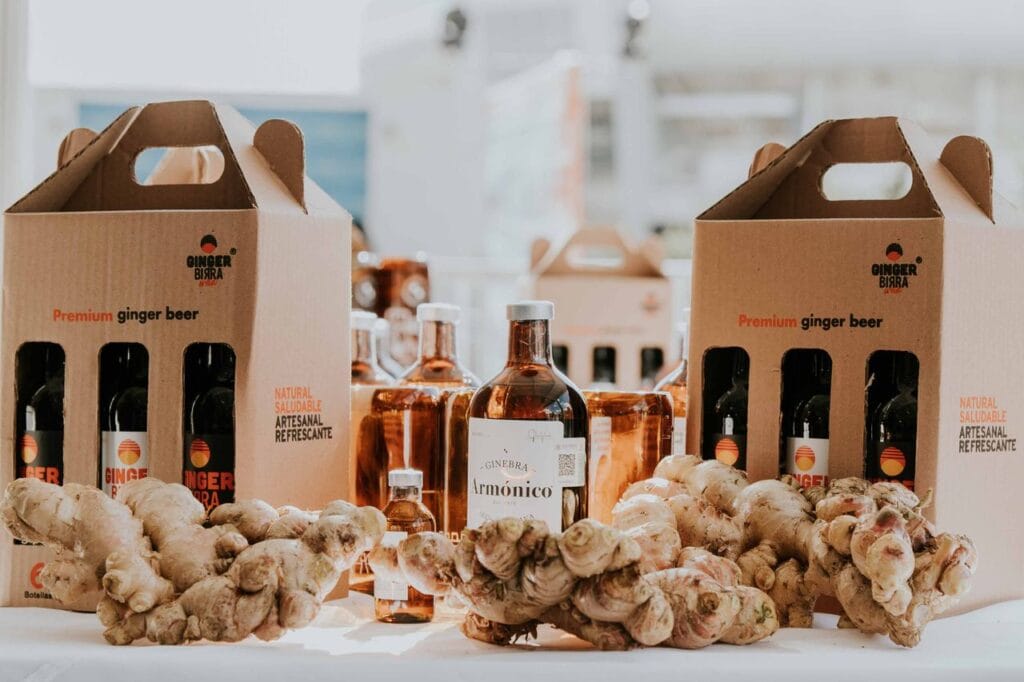
When you feel a tickle in your throat or notice your energy dipping, your instinct might be to brew a hot cup of ginger tea. While ginger certainly deserves its reputation as a traditional wellness staple, relying on it alone means you are overlooking a vast lineup of nutrient-dense superfoods that work even faster. Your body’s immune system does not rely on a single root; it requires a complex mix of essential minerals, gut-supporting probiotics, and active antioxidants to fight off pathogens. By diversifying your grocery list with eight underrated foods, you can activate your innate immune defenses, lower systemic inflammation, and give your body the exact tools it needs to stay resilient around the clock.
How Foods Activate Your Immune Defense in 24 Hours
When health experts talk about boosting immunity rapidly, they are referring to the activation of your innate immune system. This is your body’s immediate, first-line defense mechanism against invading viruses, bacteria, and toxins.
Unlike your adaptive immune system, which takes days or weeks to create targeted antibodies, your innate immune system responds within hours. Feeding your body specific bioavailable nutrients triggers several fast-acting biological processes:
- Rapid White Blood Cell Activation: Essential minerals like zinc and selenium act as biological switches, prompting white blood cells (neutrophils and natural killer cells) to multiply and clear out foreign invaders.
- Gut Barrier Fortification: Probiotics and fermented nutrients rapidly alter the gut environment, reinforcing the intestinal lining where over 70% of your immune cells reside.
- Oxidative Stress Reduction: Potent antioxidants neutralize free radicals on contact, preventing cellular damage and allowing your immune system to focus its energy on defending your body.
The 8 Underrated Foods That Beat Ginger
1. Crushed Raw Garlic (The Allicin Powerhouse)
Garlic is a kitchen staple, but most people prepare it completely wrong and destroy its medicinal value. When you crush, chop, or chew raw garlic, an enzyme called alliinase converts the compound alliin into allicin.
Allicin is a potent antimicrobial and antiviral compound that rapidly stimulates white blood cell activity. Clinical studies show that regular garlic consumption significantly reduces the frequency and duration of common seasonal illnesses.
To maximize its power, crush a raw garlic clove and let it sit on your cutting board for 10 minutes before consuming it. This resting period allows the enzyme reaction to reach peak allicin concentration.
2. Red Bell Peppers (The Vitamin C Champion)
If you turn to oranges every time you need vitamin C, you are missing out on a far superior source. Red bell peppers contain nearly three times as much vitamin C as an average orange, delivering over 200% of your daily recommended intake in a single cup.
Vitamin C is critical because it stimulates the production of white blood cells, which are your primary defense against infection. Furthermore, red bell peppers are packed with beta-carotene, which your body converts into vitamin A to keep your skin and mucous membranes healthy and resistant to germs.
3. Kefir (The Gut-Immunity Engine)
Since a massive portion of your immune system lives inside your digestive tract, keeping your gut microbiome healthy is vital for overall wellness. While Greek yogurt is popular, kefir is a far more potent source of beneficial bacteria.
Kefir is a fermented milk drink that contains up to 61 distinct strains of bacteria and yeasts, compared to just a handful found in standard yogurt. Drinking kefir introduces live, active probiotics that outcompete harmful pathogens in your gut and stimulate immune tissue lining your intestines.
4. Pumpkin Seeds (The High-Speed Zinc Source)
Zinc is arguably the most crucial trace mineral for immune cell development and communication. Even a mild zinc deficiency can severely compromise your body’s ability to fight off routine infections.
Pumpkin seeds (pepitas) are one of the most accessible, plant-based sources of zinc available. A single handful provides a substantial portion of your daily zinc needs, alongside healthy magnesium and essential fatty acids that keep inflammation low.
5. Shiitake Mushrooms (Beta-Glucan Activators)
Edible mushrooms like shiitake, maitake, and oyster varieties contain unique structural carbohydrates called beta-glucans. These natural compounds bind directly to receptors on your immune cells, essentially placing them on high alert without causing unwanted inflammation.
Research shows that daily consumption of cooked shiitake mushrooms improves cell-mediated immunity and lowers circulating inflammatory proteins, helping your body respond far more efficiently to environmental stressors.
6. Raw Honey (The Natural Antimicrobial)
Unlike refined sugars that suppress your immune function and fuel inflammation, high-quality raw honey possesses natural antibacterial, antiviral, and anti-inflammatory properties.
Raw honey contains trace amounts of hydrogen peroxide and specialized phytonutrients harvested by bees. It coats inflamed throat tissues, calms cough reflex centers, and acts as a soothing prebiotic that feeds beneficial gut bacteria. Always choose raw, unpasteurized honey to preserve these heat-sensitive enzymes.
7. Sunflower Seeds (Vitamin E Shield)
While vitamin C gets all the attention, vitamin E is equally vital for maintaining a healthy immune system, especially in older adults. Vitamin E is a fat-soluble antioxidant that protects immune cell membranes from oxidative destruction.
Sunflower seeds are loaded with vitamin E, vitamin B6, and phosphorus. A small half-cup serving delivers over 100% of your daily required vitamin E, making it an effortless addition to salads, smoothies, or trail mixes.
8. Green Tea (EGCG Inflammation Tamer)
While green tea does contain mild antioxidants, its real immune benefit comes from a unique polyphenol known as epigallocatechin gallate (EGCG).
EGCG has been shown in clinical settings to enhance immune cell function and block the replication of certain viruses. Additionally, green tea contains the amino acid L-theanine, which assists in the production of germ-fighting compounds in your T-cells.
Immune-Boosting Food Comparison
| Food | Primary Key Nutrient | Main Biological Benefit |
| Crushed Raw Garlic | Allicin | Stimulates white blood cells and kills microbes |
| Red Bell Peppers | Vitamin C & Beta-Carotene | Triples vitamin C intake compared to oranges |
| Kefir | Probiotics (61 Strains) | Strengthens the gut-immune barrier rapidly |
| Pumpkin Seeds | Zinc | Fuels the creation and signaling of new immune cells |
| Shiitake Mushrooms | Beta-Glucans | Activates natural killer cells and reduces inflammation |
| Raw Honey | Phytonutrients & Enzymes | Soothes tissue and provides direct antimicrobial action |
| Sunflower Seeds | Vitamin E | Protects immune cell membranes from oxidative damage |
| Green Tea | EGCG & L-Theanine | Helps T-cells produce virus-fighting compounds |
Three Daily Habits That Drain Your Immunity
Adding these eight superfoods to your grocery cart will give your body a massive advantage, but bad daily habits can quickly undo your hard work. To maintain optimal immunity, watch out for these common wellness traps:
- Eating Excess Refined Sugar: Consuming high amounts of processed sugar can temporarily paralyze your white blood cells, reducing their ability to destroy harmful bacteria for several hours after eating.
- Skimping on Sleep: Your body releases critical immune proteins called cytokines while you sleep. Sleeping fewer than seven hours a night dramatically increases your susceptibility to common viruses.
- Chronic Dehydration: Your lymphatic system relies on fluid to transport immune cells throughout your body. Staying hydrated keeps your mucous membranes moist and protects your airways from airborne invaders.
Related Articles
- Stop Sacrificing Your Gut for Gains: A Nutritionist’s 5‑Step Plan to Eat More Protein Without Nutrient Gaps
- Want Better Gut Health and More Protein? A Doctor Reveals the Surprisingly Simple Way to Get Both
- Protein vs. Strength Training: What Really Builds Muscle After 50, According to Science
- Stop Wasting Your Cash: A Pharmacist Says These 5 Supplements Do Nothing for Your Health
- Can Chomps Beef Sticks Really Boost Fat Loss and Muscle Growth?