FREE SHIPPING OVER $50

I Ate Lentils Every Day for a Month—Here’s What It Did to My Gut Health

You hear a lot of advice about gut health. Take probiotics. Try kombucha. Eat fermented foods. The wellness industry has us convinced that a happy gut microbiome requires expensive supplements and a highly specific, complicated diet. But what if the secret to a thriving digestive system was hiding in plain sight, in a humble, affordable bag of legumes you can find at any grocery store?
I decided to put this theory to the test. For a full month, I committed to eating lentils every day. I wasn’t on a strict diet, and I didn’t change any other major habits. My goal was simple: to see what this one small change would do to my gut health. Like many people, I was a little skeptical and a little nervous about the potential for gas and bloating—the most common side effect of a high-fiber food. But what I discovered was a complete transformation of my digestive system. Here’s an honest, week-by-week account of what happened, and a breakdown of the science behind why lentils are a true powerhouse for your gut.
FAQs
Are lentils actually hard to digest, or is that just a myth?
Lentils are not inherently hard to digest—but they are hard to digest at first. The culprit is a trio of fermentable fibers (raffinose, stachyose, and verbascose) that your gut bacteria love but your small intestine can’t break down on its own. When you suddenly increase your intake, those fibers reach your colon undigested and get fermented rapidly, producing gas. That’s why my first 3-4 days came with mild bloating. The fix is a ramp-up period: start with ¼ cup cooked and increase by ¼ cup every 4-5 days. Within 2 weeks, your microbiome adapts and the discomfort disappears entirely. Soaking lentils overnight and rinsing them before cooking also removes up to 30% of those fermentable sugars.
Do lentils make you poop more—and can they ever cause constipation instead?
Yes, lentils reliably make you poop more, and that’s a feature, not a bug. One cup of cooked lentils delivers about 15.6 grams of fiber—roughly half your daily requirement—and that fiber adds bulk and holds water in your stool, making elimination faster and easier. In my experiment, bowel movements went from inconsistent to effortless and daily by week three. As for constipation: lentils essentially never cause it if you drink enough water. Fiber without hydration is the one scenario where things can back up. Aim for 8-10 glasses of water daily when you’re eating lentils consistently, and you’ll get the opposite of constipation—regularity you can set a clock by.
Is it safe to eat lentils every single day, and how often should you actually eat them?
Yes—eating lentils daily is safe and genuinely beneficial for most people. I ate them every day for 30 days with no negative effects after the initial adjustment week. The daily benefits I experienced included steadier energy, zero afternoon crashes, and dramatically improved regularity. Nutritionally, a daily serving delivers 18 grams of protein, 15.6 grams of fiber, and a substantial dose of iron, folate, and magnesium. The only caveat: if you have IBS, gout, or kidney disease, talk to your doctor first, since lentils are high in FODMAPs and purines. For everyone else, 4-5 servings per week captures most of the benefits, while daily eating accelerates the microbiome changes. Rotate red, green, and brown varieties to avoid boredom and broaden your nutrient intake.
When should I eat lentils—before a workout, at night, or does timing even matter?
Timing makes a real difference, and most articles skip this entirely. Before a workout: eat lentils 2-3 hours prior. They’re slow-digesting, so eating them 30 minutes before a run will cause cramping—but 2-3 hours before gives you steady glucose release that outlasts any energy gel. At night: yes, lentils are excellent for sleep. They contain tryptophan and complex carbohydrates, and the carb-tryptophan combination helps shuttle serotonin toward melatonin production. A small serving of lentil soup about 2 hours before bed supports deeper sleep without the blood-sugar crash that rice or pasta can cause. For gut benefits specifically: consistency matters more than timing—your microbiome responds to the steady daily supply of prebiotic fiber, not to a specific hour.
The Scientific “Why”: The Tiny Legume with a Giant Impact
Before I get into my personal story, let’s talk about the incredible nutrition found in a single serving of lentils. They are a triple threat for gut health, and knowing how they work will help you understand my experience.
- Fiber, the Dynamic Duo: Lentils contain both soluble and insoluble fiber. Insoluble fiber is the kind that adds bulk to your stool, making it easier for waste to pass through your digestive system and preventing constipation. Soluble fiber, on the other hand, dissolves in water to form a gel-like substance. This is the star of the show for gut health.
- The Power of Prebiotics: That soluble fiber from lentils acts as a powerful prebiotic. Think of prebiotics as the fertilizer for your good gut bacteria. While probiotics are the beneficial bacteria themselves, the prebiotics from lentils feed them, helping them multiply and flourish. This is a crucial step in building a healthy and resilient gut microbiome.
- Fermentation for a Healthier Gut: When the soluble fiber reaches your large intestine, your gut bacteria begin to ferment it. This process produces beneficial compounds called short-chain fatty acids (SCFAs), like butyrate. SCFAs are the main energy source for the cells that line your colon, and they play a critical role in reducing inflammation and strengthening your gut barrier.
Lentils and Sleep: The Overlooked Connection
There’s one more gut benefit worth mentioning that rarely gets discussed: lentils may improve your sleep, and better sleep in turn improves your gut. It’s a virtuous cycle.
Lentils contain tryptophan, an amino acid your body converts into serotonin and then melatonin—the hormone that regulates your sleep-wake cycle. What makes lentils uniquely effective is that they also deliver complex carbohydrates, which help shuttle tryptophan into your brain more efficiently than tryptophan-rich foods eaten alone. A small serving of lentil soup about two hours before bed supports deeper sleep without the blood sugar crash that rice or pasta can cause.
Why does this matter for your gut? Because your gut microbiome follows a circadian rhythm. Poor sleep disrupts that rhythm, reducing microbial diversity and increasing gut permeability. In my experiment, the nights I slept best were the nights I’d had lentils at dinner—and my digestion the following morning reflected it.
My Personal Experiment: Week by Week
Week 1: The Initial Shock and Bloat
I started my journey with a simple lentil soup for lunch. I was aware that the sudden increase in fiber might cause some initial discomfort. And it did. The first few days were, I’ll admit, a little rough. I experienced some mild bloating and gas, which is a completely normal reaction as your gut bacteria get used to fermenting a new food source. I stayed consistent, though, and made sure to drink plenty of water, which is essential when you’re increasing your fiber intake. By the end of the first week, the discomfort began to subside, and I started to feel a subtle but noticeable difference in my regularity.
Week 2: Finding My Rhythm
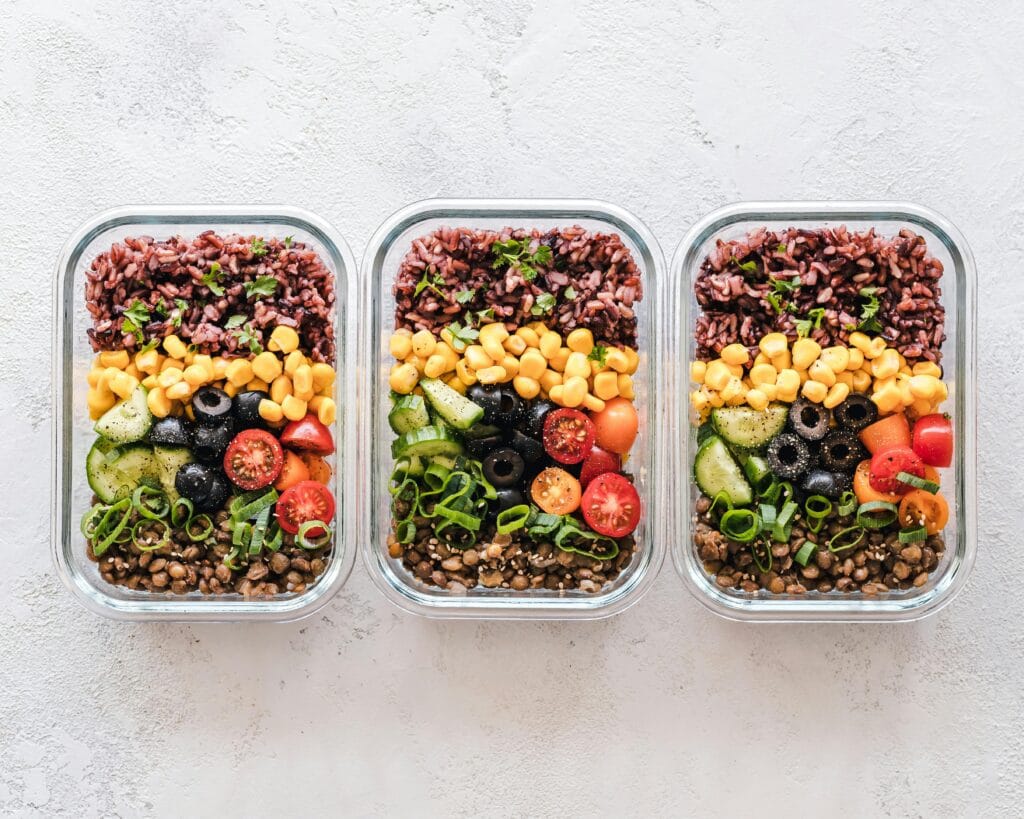
By the second week, my digestive system had fully adjusted. The initial bloating was gone, and my digestion felt smoother than it had in a long time. I started to get more creative with my lentil dishes to avoid boredom. Lentil salads for lunch, lentil pasta for dinner, and even lentil patties as a burger substitute. The best part was how satisfied I felt. The high fiber and protein content of lentils kept me feeling full and energized for hours, which helped me avoid the dreaded afternoon slump.
Week 3: The Positive Changes Emerge
This is when the real, tangible changes became clear. I noticed a significant reduction in indigestion and a newfound feeling of lightness. My bowel movements became incredibly regular and effortless. For anyone who has struggled with constipation, you know how life-changing this can be. It was clear that my gut microbiome was thriving on the steady diet of prebiotic fiber. I also noticed that my energy levels felt more stable throughout the day.
Week 4: The Transformation Is Complete
By the final week, eating lentils every day felt like a normal, enjoyable part of my routine. I had a deeper understanding of how the food I put into my body directly impacts my well-being. My digestion was consistent and comfortable, and my energy levels felt more balanced than ever. The experiment confirmed what I had learned from science: consistency is the most important factor. My gut health had been completely transformed by a simple, affordable, and incredibly effective food.
The Ultimate Takeaways: What This Means for Your Gut Health
My personal experience is a powerful testament to the science of lentils and gut health. Here are the key lessons I learned that can help you on your journey.
- Lentils Are a Gut Health Powerhouse: They don’t just provide fiber; they provide the specific type of prebiotic fiber that your gut bacteria need to flourish and produce beneficial compounds.
- Bloating is a Sign of Progress: If you start eating more fiber and experience some initial gas or bloating, don’t give up! It’s a temporary sign that your gut microbiome is adapting and getting stronger.
- Consistency is King: The dramatic changes I experienced didn’t happen overnight. They were the result of a month of consistent, daily effort. You don’t need an intense, restrictive diet; you just need to be consistent with a smart choice.
- The Power of Plant-Based Foods: My experiment proved that you can significantly improve your gut health with simple, whole, plant-based foods. You don’t need expensive pills or powders to get real results.
Practical Tips for Incorporating Lentils
If you’re ready to see what lentils can do for your gut health, here are a few simple tips to get started without overwhelming your digestive system.
- Start Small: Don’t go from zero to a full bowl of lentil soup. Begin by adding a quarter cup of cooked lentils to your salads, soups, or rice dishes. Gradually increase the amount as your body adjusts.
- Hydrate, Hydrate, Hydrate: Fiber needs water to work its magic. Make sure you are drinking plenty of fluids throughout the day to help the fiber move through your digestive system smoothly.
- Get Creative: Lentils are incredibly versatile. Try them in a variety of dishes to keep things interesting. Red lentils work great in soups and stews, while green or brown lentils are perfect for salads and side dishes.
- Prep Ahead: Cook a large batch of lentils at the beginning of the week and store them in the fridge. This makes it easy to add them to your meals throughout the week without the extra cooking time.
Wait—Can Lentils Ever Cause Constipation?
Given everything above, this sounds counterintuitive—but it’s one of the most common questions people ask, so let’s answer it directly: lentils essentially never cause constipation, but they can if you eat them without enough water.
Fiber works by absorbing water and adding bulk to your stool. If you increase your fiber intake without increasing your fluid intake, that fiber has nothing to absorb—and instead of softening your stool, it can harden it. This is the one scenario where lentils backfire.
The fix is simple: aim for 8 to 10 glasses of water daily whenever you’re eating lentils consistently. During my experiment, I kept a water bottle at my desk and refilled it three times a day. I never experienced constipation—quite the opposite. By week three, my bowel movements were effortless and predictable, which is the result most people experience when they pair lentils with proper hydration.
If you have IBS-C (constipation-predominant IBS), introduce lentils more slowly than the ramp-up schedule above and monitor your response. For everyone else, water is the only variable you need to manage.
Related Articles
- I Ate Oatmeal Every Day for 2 Weeks—Here’s What Shocked Me Most
- Sourdough or Whole-Wheat? A Gut Doctor Reveals the One Bread He Eats Daily
- Say Goodbye to Hormonal Belly: Experts Pinpoint 4 Foods to Eliminate for a Flatter Stomach (Yes, Even Dairy!)
- Defy Your Aging Gut: An Expert’s 5-Step Plan to Revitalize Your Microbiome & Feel Younger
- Gut-Friendly Carbs: The 6 Foods Dietitians Recommend To Help You Poop