FREE SHIPPING OVER $50
The #1 Water Mistake Sabotaging Your Weight Loss—And How Much to Drink Instead, According to a Dietitian

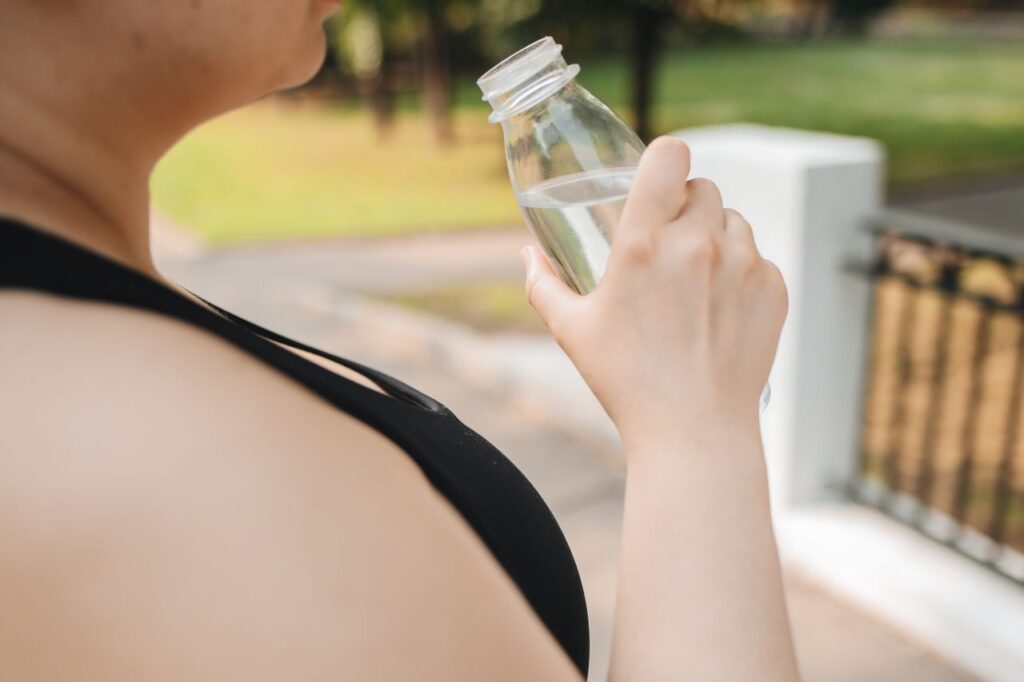
If you have hit a frustrating weight loss plateau despite eating clean and working out regularly, the hidden culprit stalling your fat loss progress might not be your diet at all—it could be the way you drink water throughout the day. While staying hydrated is widely recognized as a fundamental pillar of health, top registered dietitians warn that chugging massive amounts of plain water all at once, drinking ice-cold water immediately alongside heavy meals, or completely ignoring daily electrolyte balance can actually impair stomach digestion, slow down resting metabolic rate, and trigger uncomfortable abdominal bloating. Understanding how fluid intake directly impacts fat oxidation, stomach acid concentration, and appetite signaling allows you to fix your daily hydration routine and kickstart sustainable weight loss effortfully.
The Biological Link Between Hydration, Digestion, and Metabolism
To understand why drinking water incorrectly stalls fat loss, you have to look at how your digestive system processes food and converts calories into energy. Your stomach relies on concentrated hydrochloric acid and digestive enzymes to break down proteins and extract vital nutrients from your meals.
When you chug large glasses of water during or immediately after a meal, you dilute those essential gastric juices.
This digestive dilution slows down breakdown, causing food to sit in your stomach longer, ferment, and produce painful gas and bloating.
Furthermore, your cellular mitochondria require optimal fluid balance to perform lipolysis—the metabolic process of breaking down stored fat into usable energy.
Even mild dehydration reduces resting energy expenditure, causing your liver and kidneys to operate inefficiently while mistaking thirst signals for intense sugar cravings.
“Hydration is not just about raw volume; it is about timing and absorption. Diluting stomach acid during meals slows down digestion and fuels abdominal bloating.”
At a Glance: Generic Hydration vs. Dietitian-Approved Protocol
Comparing common hydration habits against targeted fat-loss protocols shows how simple tweaks accelerate metabolic efficiency.
| Hydration Metric | Generic “8-Glasses” Habit | Dietitian Fat-Loss Protocol | Metabolic Outcome |
| Daily Intake Goal | Flat 64 oz for everyone | Half your body weight in ounces | Custom hydration tailored to body mass and metabolic demand |
| Mealtime Timing | Gulping 16–24 oz during meals | Small sips during meals; 16 oz 30 mins before | Preserves stomach acid concentration and boosts satiety |
| Water Temperature | Ice-cold room filled with cubes | Room temperature or warm fluids | Prevents stomach vasoconstriction and supports smooth digestion |
| Electrolyte Balance | Plain tap or distilled water | Pinches of mineral salt or lemon juice added | Facilitates cellular water transport without flushing minerals |
The #1 Water Mistake: Chugging Plain Water All at Once
The absolute biggest mistake people make when trying to lose weight is waiting until they feel parched and then rapidly chugging 30 to 40 ounces of plain water in one sitting.
When you flood your digestive tract with excessive fluid in a short window, your kidneys clear it rapidly to maintain sodium balance in your bloodstream.
This triggers frequent trips to the bathroom without actually hydrating your muscle cells or organ tissues at a deep level.
Additionally, flushing your system with massive amounts of plain water strips away essential electrolytes like sodium, potassium, and magnesium.
Low electrolyte levels lead to intracellular dehydration, muscle cramps, sluggish physical performance, and severe brain fog.
To maximize cellular hydration and support fat loss, sip water steadily throughout the morning and afternoon rather than chugging large volumes sporadically.
How Much Water Should You Actually Drink for Fat Loss?
Instead of following the outdated blanket rule of eight 8-ounce glasses per day, registered dietitians recommend calculating your daily baseline based on your specific body composition and activity level:
- The Baseline Formula: Drink 0.5 ounces of water for every pound of body weight. For example, a 180-pound individual should target a baseline of 90 ounces of water daily.
- The Exercise Adjustment: Add 12 to 16 ounces of water for every 30 minutes of intense physical exercise or heavy sweating.
- The Pre-Meal Satiety Boost: Consume 16 ounces of room-temperature water 30 minutes before your main meals. Clinical trials show this practice naturally reduces mealtime calorie intake by filling stomach space and activating fullness stretch receptors.
4 Easy Hydration Hacks to Accelerate Weight Loss
Incorporating these science-backed fluid habits into your daily schedule optimizes digestion and keeps your metabolic rate elevated:
1. Start Your Morning With Warm Electrolyte Water
Before reaching for your morning coffee, drink 16 ounces of warm water mixed with a squeeze of fresh lemon juice and a tiny pinch of unrefined sea salt. This rehydrates your digestive tract after overnight sleep, replaces lost minerals, and stimulates natural peristalsis.
2. Stop Chugging Water 15 Minutes Before Meals
To maintain optimal stomach acid concentration for protein digestion, minimize fluid intake starting 15 minutes before eating and wait roughly 30 to 45 minutes after finishing a meal before drinking large amounts again. Limit yourself to light sips if needed during the meal.
3. Eat Your Water Through Hydrating Whole Foods
Incorporate high-water produce like cucumbers, celery, watermelons, strawberries, and zucchini into your daily diet. Water bound inside whole plant matrixes releases slowly during digestion, providing sustained cellular hydration alongside rich soluble fiber.
4. Upgrade Room-Temperature Water With Natural Flavors
If plain water feels boring, infuse your pitcher with fresh cucumber slices, mint leaves, crushed berries, or ginger root. Natural infusions provide subtle flavor and trace antioxidants without adding synthetic sweeteners that trigger cravings.
2 Common Hydration Traps That Trigger Bloating
Steering clear of these frequent drinking mistakes keeps your midsection flat and comfortable throughout the day:
Mistake 1: Relying on Carbonated Sparkling Water All Day
While zero-calorie sparkling water seems like a great soda alternative, drinking carbonated water continuously traps carbon dioxide gas inside your digestive tract. This causes physical stomach distension, persistent belching, and visible lower belly bloating.
Mistake 2: Using Artificial Zero-Calorie Liquid Drops
Adding artificial flavor drops packed with sucralose or acesulfame potassium to your water jug can disrupt your gut microbiome over time. Altering beneficial gut bacteria encourages systemic low-grade inflammation and triggers intense sweet cravings later in the evening.
Related Articles
- A Plant-Based Expert Reveals Her Daily Plate—How She Hits Protein, Calcium, B12 and Every Key Nutrient
- These 15 Foods Are Secretly Scarring Your Liver—Hepatologists Say Cut Them Before It’s Too Late
- This Underrated Breakfast Ingredient Has More Protein Than a Eggs—And It Takes 30 Seconds to Add
- These 20 High-Protein Foods Are Basically Muscle in Edible Form
- Stop Guessing: This Is Exactly How Much Protein You Need to Lose Weight