FREE SHIPPING OVER $50

Dietitians Rank Tofu vs. Beans for Protein, Fiber, and Health—The Winner Isn’t What You Think

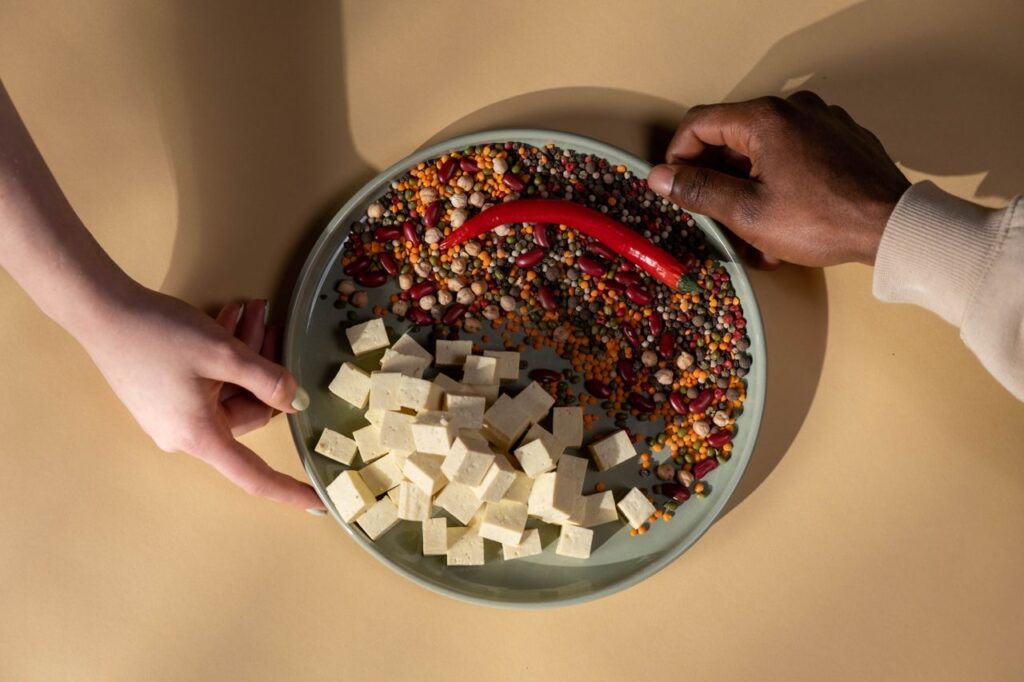
Walking down the grocery aisle to load up on clean, plant-based protein almost always forces a showdown between two heavyweights: a block of firm tofu or a can of hearty beans. Most health-conscious shoppers assume that beans win easily because they are completely unprocessed whole foods, while others swear by tofu for its lean, muscle-building density. Yet, when registered dietitians break down the exact amino acid profiles, gut-healing fibers, and absorption rates of both foods, the results flip conventional nutrition wisdom on its head. Neither option is a simple runner-up, and the true champion depends heavily on whether your primary goal is muscle maintenance, blood sugar control, or digestive longevity. Understanding the distinct biological superpowers of tofu and beans allows you to fuel your body with maximum efficiency and upgrade your daily meals without guesswork.
The Nutritional Showdown: Protein Quality and Amino Acids
To understand why dietitians rank tofu and beans differently depending on your fitness goals, you first have to examine how your body processes plant proteins.
Animal proteins like chicken and eggs contain all nine essential amino acids that your body cannot produce on its own.
Most plant foods fall short in one or more of these building blocks, which is why protein quality matters just as much as total grams on a nutrition label.
Tofu, which is made by curdling fresh soy milk and pressing the curds into solid blocks, stands out in the plant kingdom because it is a complete protein.
A standard half-cup serving of firm tofu delivers roughly 10 to 15 grams of protein packed with all nine essential amino acids, including high levels of leucine—the primary amino acid that triggers muscle protein synthesis.
Beans, including black beans, chickpeas, and kidney beans, offer around 7 to 8 grams of protein per half-cup serving, yet they are naturally low in the amino acid methionine.
Because beans lack sufficient methionine on their own, your body relies on complementary foods like whole grains, nuts, or seeds eaten throughout the day to complete the amino acid chain.
“Tofu acts as a bioavailable, complete protein powerhouse for muscle repair, while beans function as slow-burning metabolic fuel that feeds your gut microbiome.”
At a Glance: Firm Tofu vs. Cooked Black Beans (Per 1/2 Cup Serving)
Comparing standard serving sizes side by side reveals the sharp nutritional contrast between soy curds and whole legumes.
| Nutritional Metric | Firm Tofu (1/2 Cup / ~126g) | Cooked Black Beans (1/2 Cup / ~86g) |
|---|---|---|
| Total Calories | 90 to 110 kcal | 114 kcal |
| Protein Content | 10g to 15g (Complete Protein) | 7.6g (Incomplete; low in methionine) |
| Dietary Fiber | 1g to 2g | 7.5g (Soluble & Resistant Starch) |
| Total Carbohydrates | 2g to 3g | 20.4g |
| Healthy Fats | 5g to 6g (Rich in polyunsaturated fats) | 0.5g |
| Key Micronutrients | Calcium (often 250mg+), Iron, Selenium | Folate, Magnesium, Potassium, Iron |
| Digestibility | Very high; low in fermentable FODMAPs | Moderate; high oligosaccharides can cause gas |
Fiber, Blood Sugar, and Gut Health: Where Beans Dominate
While tofu takes an early lead in pure protein density and low-carb efficiency, beans completely dominate the nutritional scorecard when it comes to dietary fiber and metabolic longevity.
During the tofu-making process, manufacturers separate the liquid soy milk from the fibrous soybean pulp known as okara, leaving firm tofu with less than 2 grams of fiber per serving.
Conversely, a single half-cup of cooked beans packs roughly 7.5 grams of dietary fiber—nearly a third of your daily target in just a few spoonfuls.
More importantly, beans contain a unique combination of soluble fiber and resistant starch.
Soluble fiber forms a thick, gel-like matrix inside your digestive tract that traps dietary cholesterol and slows down glucose absorption, preventing sharp post-meal blood sugar and insulin spikes.
Meanwhile, resistant starch bypasses digestion in your small intestine and travels straight to your colon, where beneficial gut bacteria ferment it into butyrate and other short-chain fatty acids.
Butyrate reduces systemic inflammation, strengthens your intestinal lining, and supports healthy immune signaling across your entire body.
Bioavailability and Digestion: The Hidden Factor Most People Miss
Many people avoid plant proteins because they worry about digestive bloating or poor nutrient absorption, making digestibility a major deciding factor in dietitian rankings.
Beans contain natural plant compounds called oligosaccharides (specifically raffinose) alongside phytic acid.
Humans lack the specific enzyme required to break down raffinose in the upper digestive tract, meaning gut bacteria ferment these sugars rapidly, which often triggers uncomfortable gas and bloating if you are not used to eating legumes.
Tofu solves this digestive friction completely because soaking, grinding, and curdling soybeans removes the vast majority of fermentable carbohydrates.
As a result, firm tofu ranks low on the FODMAP scale, making it remarkably gentle on sensitive stomachs while allowing your digestive system to absorb over 90 percent of its protein.
Furthermore, tofu prepared with calcium sulfate provides a massive dose of bioavailable calcium—often matching or exceeding dairy milk per ounce—alongside plant-based isoflavones that support cardiovascular and bone health as you age.
The Verdict: Which Plant Protein Actually Wins?
When registered dietitians weigh all the clinical evidence, beans take the overall crown for general longevity and disease prevention, while tofu wins decisively for lean muscle building, weight loss, and sensitive digestion.
Beans earn the top spot for overall health because high-fiber intake remains one of the strongest predictors of cardiovascular health, balanced blood sugar, and long-term metabolic resilience.
However, relying solely on beans makes hitting high daily protein targets difficult without consuming large amounts of carbohydrates and calories.
Tofu fills that exact nutritional gap by delivering dense, complete amino acids and bone-building calcium with virtually zero carbs or digestive bloat.
How to Combine Both for Maximum Health Benefits
You do not have to choose sides permanently; pairing tofu and beans strategically across your weekly meals gives you complete protein synthesis alongside superior gut health:
- Prioritize Tofu on Strength Training Days: Crisp cubes of extra-firm tofu in an air fryer or skillet after lifting weights to supply fast-absorbing leucine and complete amino acids for muscle recovery without heavy fullness.
- Anchor Everyday Lunches with Beans: Toss half a cup of black beans, lentils, or chickpeas onto lunchtime salads and grain bowls to keep blood sugar steady and prevent mid-afternoon energy crashes.
- Prepare Beans Properly to Eliminate Bloat: Rinse canned beans thoroughly under cold running water for 30 seconds to wash away excess sodium and surface oligosaccharides, or soak dried beans overnight with a strip of kombu seaweed before cooking.
- Press Your Tofu Before Cooking: Wrap firm or extra-firm tofu in a clean kitchen towel under a heavy skillet for 15 minutes to press out excess water, allowing the soy curds to soak up marinades and spices like a sponge.
2 Common Mistakes People Make With Tofu and Beans
Steering clear of these simple kitchen habits ensures you get the highest nutritional payoff from every serving:
Mistake 1: Eating Unseasoned Tofu Straight Out of the Package
Plain tofu has a mild, neutral flavor that absorbs whatever you cook it with. Skipping the pressing step or failing to marinate it with garlic, ginger, soy sauce, or smoked paprika leaves it bland and watery. Treat tofu like a blank culinary canvas rather than a finished dish.
Mistake 2: Jumping From Zero Beans to Multiple Cups Overnight
If your gut microbiome is not accustomed to digesting resistant starch, suddenly eating two cups of beans in one sitting will cause uncomfortable gas. Start with two to three tablespoons of beans per meal and increase your portion slowly over two weeks so your gut bacteria can adapt comfortably.
Related Articles
- 7 Everyday Foods You’re Storing Wrong (No. 4 Is Making You Sick)
- Europeans Eat Bread, Cheese, and Pasta Every Day—So Why Aren’t They Fat? A Nutritionist Explains
- Stop Cooking With This Oil If You Have Fatty Liver—It’s Silently Making Your Condition Worse, Warn Doctors
- Forget Probiotics: Yogurt’s Best-Kept Secrets Include Stronger Bones, Lower Blood Pressure, and Faster Muscle Recovery