FREE SHIPPING OVER $50

Men Are Quietly Quitting Creatine Over This One Side Effect—Here’s What the Science Actually Says

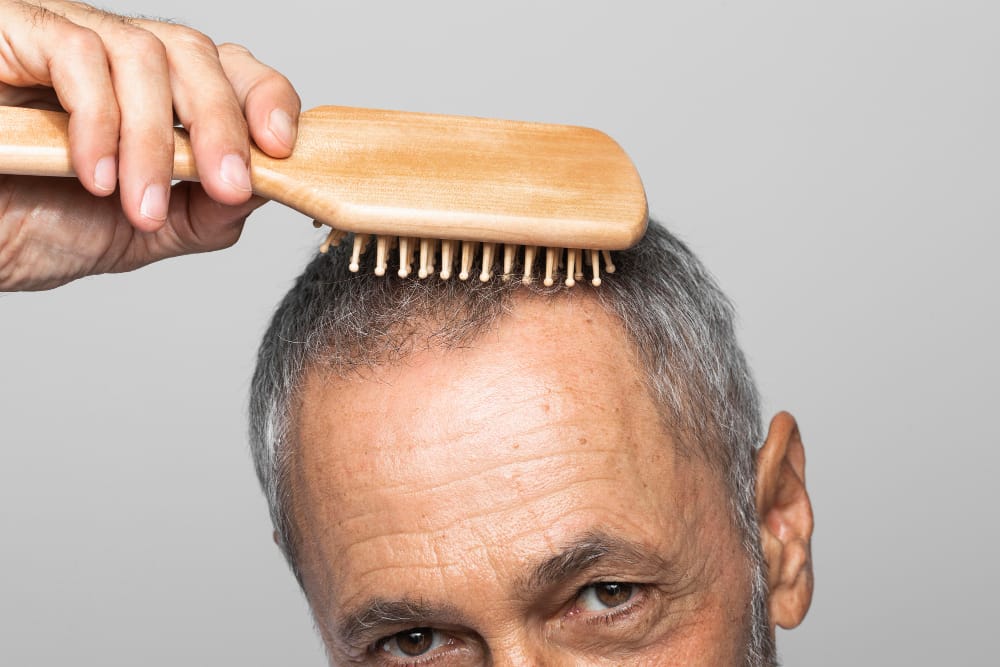
Despite being the most thoroughly researched strength and muscle-building supplement on the planet, creatine is currently being abandoned by thousands of men who fear a single, terrifying side effect: premature hair loss.
The Hair Loss Scare: Where Did the Rumor Come From?
If you scroll through fitness forums or social media, you will quickly find men claiming that creatine thinned their hairline or accelerated male pattern baldness. This widespread panic stems almost entirely from a single 2009 scientific study conducted on college-aged rugby players in South Africa.
During that three-week study, researchers gave one group of athletes twenty grams of creatine monohydrate per day for seven days, followed by a maintenance dose of five grams daily for two weeks. At the end of the trial, researchers discovered that the athletes taking creatine experienced a 56 percent increase in their dihydrotestosterone (DHT) levels during the loading phase, which remained 40 percent above baseline during the maintenance phase.
Because DHT is the primary androgenic hormone responsible for shrinking hair follicles in men with male pattern baldness, gym-goers quickly connected the dots. The viral takeaway spread like wildfire: taking creatine increases DHT, and higher DHT causes hair loss, therefore creatine makes you go bald. However, looking at the actual scientific evidence reveals a completely different story.
What Science Actually Says About Creatine and Hair Loss
To evaluate whether this fear is justified, you need to examine what the 2009 rugby study actually measured and what subsequent medical research has uncovered.
First and foremost, the 2009 study measured serum hormone levels in blood samples; it did not track or measure actual hair loss, follicle density, or hair shedding among the rugby players. Furthermore, the baseline DHT levels of the creatine group were significantly lower than the placebo group before the study even started, meaning their hormone levels simply normalized back toward the baseline average.
Second, scientific progress relies on replication. Since that initial study, researchers have conducted at least twelve rigorous clinical trials testing the effects of creatine supplementation on testosterone and DHT levels. None of these subsequent studies were able to replicate the sudden surge in DHT reported in 2009.
Finally, male pattern baldness (androgenetic alopecia) is primarily determined by your genetic sensitivity to DHT, rather than minor temporary fluctuations in circulating hormones. If your hair follicles do not carry the genetic receptors that make them vulnerable to DHT, elevated hormone levels will not cause balding. Conversely, if you are genetically predisposed to male pattern baldness, your hair will eventually thin regardless of whether you take creatine.
| Common Creatine Myth | Scientific Fact | Actual Risk Level |
| Creatine causes direct hair loss | No clinical study has ever shown creatine causes hair shedding | Non-existent |
| Creatine boosts DHT permanently | 12 out of 13 studies showed zero significant impact on DHT | Minimal to none |
| Creatine damages healthy kidneys | Safe for individuals with normal, healthy kidney function | Zero for healthy adults |
| Creatine causes severe dehydration | Actually increases cellular hydration and muscle water storage | Zero (improves hydration) |
| Creatine causes soft, puffy bloating | Water retention occurs inside the muscle cell, not under skin | Minimal (intracellular only) |
Other Common Side Effects Men Worry About
While hair loss gets the most viral attention, men frequently hesitate to start or continue creatine due to a few other persistent health worries. Understanding the physiology behind these symptoms helps separate temporary adjustment periods from genuine safety concerns.
1. Intracellular Water Retention vs. Subcutaneous Bloating
A primary concern among lifters is that creatine will make their muscles look soft, smooth, or bloated. This belief comes from a misunderstanding of how creatine interacts with water in your body.
Creatine is an osmolytes compound, meaning it draws water directly into your cells. However, it pulls water inside the muscle cell (intracellular hydration) rather than storing it beneath your skin (subcutaneous water retention).
Because water collects inside the muscle fibers, your muscles actually look fuller, rounder, and denser. The initial two to three pounds of weight gain you see on the scale during the first week of supplementation is simply additional hydration inside your muscle tissue, which actually improves muscular endurance and power output.
2. Stomach Cramps and Gastrointestinal Distress
Some users report experiencing nausea, stomach cramps, or diarrhea shortly after taking their daily scoop of creatine. These uncomfortable digestive issues almost always stem from two specific dosing errors:
- Taking Excessive Doses at Once: Dumping twenty grams of creatine into your stomach simultaneously pulls excess fluid into your intestines, causing acute gastrointestinal distress.
- Inadequate Dissolution: Swallowing dry powder or mixing creatine with cold water without stirring properly leaves undissolved crystals that irritate your stomach lining.
Sipping your creatine with room-temperature water or taking it alongside a meal completely eliminates digestive discomfort for the vast majority of users.
3. Kidney and Liver Function Concerns
The warning that creatine damages your kidneys is one of the oldest myths in sports nutrition. This misconception arose because creatine breaks down into creatinine, a natural waste product that doctors measure to assess kidney health.
When you take creatine supplements, your blood creatinine levels slightly increase. In a sedentary person, high creatinine signals kidney dysfunction. However, in healthy lifting individuals taking creatine, elevated blood creatinine simply indicates that your body is storing and utilizing extra muscle energy. Extensive long-term studies on athletes have repeatedly proven that daily creatine use does not harm healthy kidneys or liver tissue.
How to Take Creatine Safely Without Side Effects
If you want to maximize muscle strength, power output, and cognitive function without experiencing stomach upset or unnecessary stress, following a simple protocol keeps your supplement routine effective and safe.
- Skip the Aggressive Loading Phase: You do not need to take twenty grams a day for a week. Taking a steady dose of three to five grams daily will fully saturate your muscles within three to four weeks without triggering stomach upset.
- Choose Simple Creatine Monohydrate: Avoid overpriced forms like creatine HCL, liquid creatine, or buffered creatine. Plain, micronized creatine monohydrate is the most thoroughly tested, cost-effective, and bioavailable form available.
- Drink Plenty of Water: Because creatine draws water into your muscle tissue, staying well-hydrated throughout the day ensures your body maintains optimal fluid balance.
- Take It with Food or Warm Water: Dissolving your daily powder into warm water, tea, or a post-workout smoothie containing carbohydrates and protein aids absorption and prevents intestinal irritation.
Related Articles
- Loneliness After 60 Is Optional: 15 Apps That Build a Thriving Social Life (No Grandkids Needed)
- Experts Say These 8 Habits Are the Real Signs You’re Aging Gracefully
- Why Walking Isn’t Enough: 15 Life-Saving Reasons to Lift Weights After 50
- The #1 Preventable Killer After 50 (And Why Your Doctor Might Not Be Testing for It)
- This Vitamin Could Be the Key to Living Longer—Here’s What Scientists Found
- 5 Supplements Pharmacists Avoid at All Costs—Here’s Why