FREE SHIPPING OVER $50

The Old‑World Blood Sugar Trick That’s Making Americans Finally Ditch Their Diabetes Meds

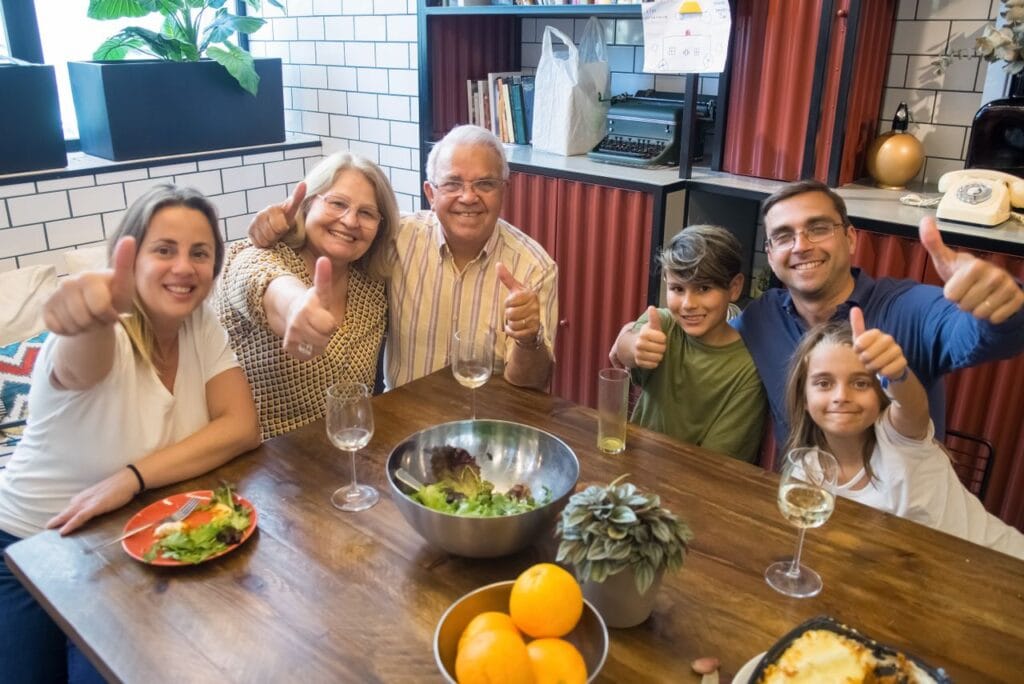
Imagine sitting down to a rustic dinner table piled high with warm bread, fresh pasta, and savory cheeses, only to stand up two hours later with perfectly stable blood sugar. For generations, traditional European cultures have enjoyed carb-rich meals without suffering from the exploding rates of metabolic dysfunction and type 2 diabetes seen across modern society. While most mainstream diet trends demand that you cut out entire food groups or rely indefinitely on expensive prescription medications, the real secret to lifelong glycemic control lies in a simple, time-tested habit that costs absolutely nothing and takes less than fifteen minutes a day.
What Is the “Old-World” Blood Sugar Trick?
For decades, researchers struggled to explain why people living in coastal Mediterranean towns or rural European villages could eat crusty loaves of white bread every single afternoon while maintaining enviable fasting glucose levels and low insulin resistance. Modern science has finally unlocked the mystery, and it turns out the secret is not locked inside genetics or exotic supplements. Instead, it comes down to a daily routine known as la passeggiata—the tradition of taking a gentle, unhurried walk immediately following a meal, combined with a specific way of sequencing food on your plate.
Instead of crashing on the couch after eating a heavy meal, families across Southern and Western Europe step outside for a light ten to fifteen-minute stroll. When researchers began testing this ancient practice in clinical trials, they discovered that light physical movement right after eating works better at flattening post-meal glucose spikes than many common blood sugar medications. Furthermore, when you pair this gentle movement with starting your meal with fiber and acid rather than refined carbohydrates, you effectively rewrite how your body processes glucose.
How Light Movement Clears Blood Sugar Without Extra Insulin
To understand why a brief post-meal walk produces such dramatic results, you have to look at how your muscle cells handle sugar. Under normal conditions, when you swallow carbohydrates, your digestive system breaks those starches down into glucose, which floods into your bloodstream. In response, your pancreas pumps out insulin, the master storage hormone that unlocks your cells so glucose can move inside and produce energy.
However, when you suffer from insulin resistance, your cells ignore insulin’s signal, leaving glucose trapped in your blood while your pancreas works overtime. This dangerous cycle drives up chronic inflammation, causes unwanted weight gain, and eventually leads to a formal type 2 diabetes diagnosis.
This is precisely where the Old-World trick changes everything. When your leg muscles contract during a light stroll, they activate a specialized protein inside your muscle cells called GLUT4. These GLUT4 transporters move directly to the surface of your muscle cells and pull glucose straight out of your blood, completely bypassing the need for insulin.
- Gentle muscle contractions act like an alternative doorway for sugar, clearing glucose from your blood instantly.
- Light movement prevents the steep insulin spikes that signal your body to store excess calories as belly fat.
- Walking for just ten minutes after eating reduces peak blood sugar levels by up to thirty percent compared to sitting still.
By stepping out for a short walk after lunch or dinner, you effectively soak up excess circulating glucose before it can cause damage to your blood vessels.
The Order of Your Plate Matters as Much as What You Eat
While the post-meal walk provides powerful metabolic support, Old-World dining customs include a second, equally effective component: meal sequencing. If you visit a traditional restaurant in Italy, France, or Greece, you will notice that meals follow a very strict chronological order that modern fast-casual dining has completely abandoned.
Traditional meals almost always begin with an acidic starter, such as a bitter green salad dressed in olive oil and real wine vinegar, or pickled vegetables. Next comes the protein and fat source, and only at the very end of the meal do people consume heavy starches, bread, or dessert.
“When you eat fiber, protein, and healthy fats before touching a single carbohydrate, you create a protective physical mesh inside your stomach that dramatically slows down gastric emptying.”
When scientists measured the blood sugar impact of this specific food sequence, the findings were astounding. Eating your vegetables and proteins first reduces your post-meal glucose spike by more than 70% compared to eating those exact same carbohydrates first on an empty stomach. The acetic acid in traditional salad vinegar further enhances this effect by temporarily deactivating alpha-amylase, the enzyme responsible for breaking complex starches into simple sugars.
Comparing Old-World Meal Habits vs. Modern Fast Dining
To see why modern metabolic health has derailed so severely, it helps to contrast how traditional cultures approach eating versus standard modern habits.
| Metabolic Factor | Traditional Old-World Habit | Modern Western Habit | Impact on Blood Sugar |
| Meal Appetizer | Raw greens with vinegar or fermented items | Bread baskets, chips, or sweet appetizers | Acid and fiber slow gastric emptying and reduce glucose spikes |
| Eating Speed | Slow, relaxed, multi-course dining | Rushed, fast-paced eating on the go | Faster eating overwhelms insulin production |
| Carbohydrate Timing | Consumed last, after protein and fiber | Consumed first on an empty stomach | Eating carbs first creates sharp, immediate blood sugar spikes |
| Post-Meal Activity | 10 to 15-minute gentle walk (passeggiata) | Sitting at a desk or lounging on the couch | Movement uses GLUT4 pathways to clear glucose without insulin |
When you examine these differences side by side, it becomes obvious why so many people struggle with elevated A1C levels despite trying various restrictive diets. The problem is rarely just the food itself; it is the chaotic environment and poor sequencing surrounding modern meals.
How to Implement the Old-World Blood Sugar Method Today
Transitioning to this metabolic routine does not require you to relocate across the globe or completely transform your diet overnight. In fact, the beauty of this approach lies in its simplicity and sustainability. You can begin applying these principles immediately with your very next meal by making a few minor adjustments.
- Start with a Green Starter: Begin your primary meals with a small bowl of leafy greens or raw vegetables dressed with extra virgin olive oil and apple cider vinegar.
- Eat Your Protein Second: Enjoy your meat, fish, eggs, or plant-based proteins alongside healthy fats before reaching for any starches.
- Save Starches for Last: Enjoy your bread, rice, potatoes, or pasta at the end of your meal when your digestive tract is already cushioned by fiber and protein.
- Take a 10-Minute Walk: Stand up within twenty minutes of finishing your last bite and take a gentle ten-minute walk around your neighborhood, office building, or living room.
If bad weather or a busy workday prevents you from walking outside, simple indoor activities like pacing while on a phone call, marching in place, or doing light household chores work remarkably well to contract your leg muscles and clear glucose.
Related Articles
- Forget Protein Shakes: These 10 Real Foods Rebuild Muscle Faster After a Hard Workout
- 7 Creatine-Rich Foods That Power Your Performance, Recovery, and Brain Health
- Top FODMAP-Friendly Protein Powders and Meal Replacements You Need Now
- Try These 5 High-Protein Smoothie Ingredients Instead of Protein Powder
- The Unexpected Ingredient I Added to My Eggs That Boosted My Protein Intake