FREE SHIPPING OVER $50

A Plant-Based Expert Reveals Her Daily Plate—How She Hits Protein, Calcium, B12 and Every Key Nutrient

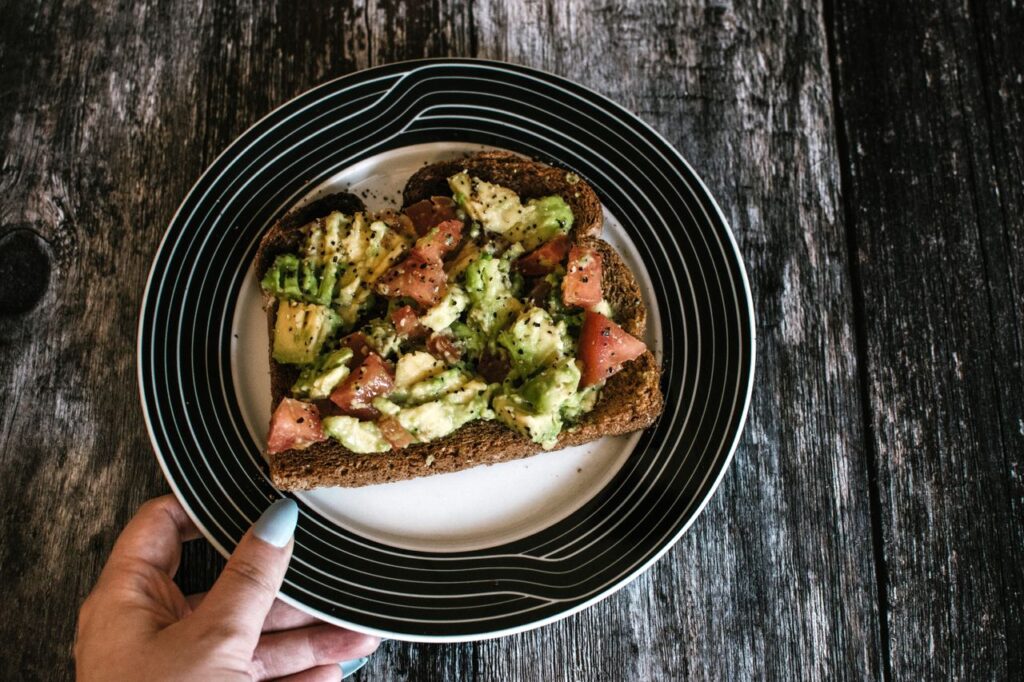
Switching to a plant-forward diet promises incredible cardiovascular, gut, and longevity benefits, but figuring out how to build balanced meals that satisfy your daily protein, calcium, iron, and vitamin B12 requirements without eating endless salads can feel overwhelming. Many people assume that skipping meat and dairy automatically leads to nutritional gaps, energy dips, and muscle loss. Fortunately, hitting every crucial micro- and macronutrient target on a plant-based diet comes down to simple food pairing strategies and strategic daily staples rather than complicated math. Here is a look inside a plant-based nutritionist’s daily plate, revealing the exact meals, snacks, and smart pairings used to meet every nutritional goal effortlessly.
The Strategy Behind a Perfectly Balanced Plant-Based Plate
Creating a nutrient-dense vegan or vegetarian plate requires looking beyond basic calorie counts. Because plant-derived minerals like non-heme iron and zinc carry different bioavailability rates than animal sources, how you combine your ingredients matters just as much as what you put on your fork.
A plant-based expert designs every meal around four core pillars:
- Protein Anchor: Combining legumes, tofu, tempeh, or edamame ensures a complete amino acid profile to support muscle repair and fullness.
- Calcium and Mineral Base: Incorporating leafy greens, fortified plant milks, tahini, and calcium-set tofu keeps bones strong.
- Bioavailability Boosters: Pairing iron-rich plant foods with vitamin C boosts mineral absorption rates significantly.
- Essential Micronutrient Safety Nets: Relying on fortified foods or targeted supplements guarantees steady levels of vitamin B12, vitamin D3, and omega-3 fatty acids.
“You do not need to eat animal products to build a strong, resilient body. Strategic food pairing turns humble plant staples like beans, greens, and seeds into nutritional powerhouses.”
At a Glance: Key Nutrients and Plant Powerhouses
Understanding where essential vitamins and minerals come from makes grocery shopping simple and stress-free.
| Key Nutrient | Daily Target Focus | Top Plant Sources | Smart Bioavailability Hack |
| Plant Protein | 70g to 90g+ daily | Organic tempeh, extra-firm tofu, lentils, edamame, hemp seeds | Pair grains with legumes for a complete amino acid spectrum |
| Bioavailable Calcium | 1,000mg daily | Calcium-set tofu, fortified soy milk, tahini, bok choy, kale | Choose low-oxalate greens like kale to maximize mineral absorption |
| Non-Heme Iron | 18mg daily | Pumpkin seeds, lentils, dark chocolate, spinach, black beans | Squeeze fresh lemon juice over greens to triple iron uptake |
| Vitamin B12 | 2.4mcg daily | Fortified nutritional yeast, fortified plant milks, reliable supplements | Take cyanocobalamin or methylcobalamin consistently |
| Omega-3s (ALA) | 1.1g to 1.6g daily | Chia seeds, ground flaxseeds, walnuts, algal oil supplements | Grind flaxseeds fresh to ensure optimal absorption |
The Daily Plate: What a Plant-Based Expert Eats
Morning Power Start: High-Protein Oats with Calcium and Omega-3s
Breakfast sets the metabolic tone for the entire day. Instead of relying on sugary cereals or plain toast, an expert-designed morning bowl pairs slow-digesting complex carbohydrates with dense plant protein and healthy fats.
A typical breakfast starts with rolled oats cooked in calcium-fortified soy milk, which yields about 8 grams of protein and 300 milligrams of calcium per cup alone. Stirring in two tablespoons of hemp seeds, one tablespoon of ground flaxseeds, and a scoop of plant-based protein powder elevates the meal to over 30 grams of complete protein before noon.
Top the bowl with fresh blueberries and a drizzle of unhulled sesame tahini. Tahini serves as a secret weapon for plant-based eaters, providing a rich, creamy texture alongside a massive dose of plant-based calcium and healthy fats.
Mid-Morning Nutrient Boost: The B12 and Vitamin C Bridge
Vitamin B12 is non-negotiable on a vegan diet because plant foods do not produce this essential nerve-protecting nutrient naturally. While targeted supplementation remains the safest route, incorporating fortified nutritional yeast into savory morning snacks offers an easy boost.
A quick mid-morning snack might feature sliced bell peppers and sugar snap peas dipped in a savory savory spread made from blended white beans, garlic, and two tablespoons of nutritional yeast.
The vibrant bell peppers provide a massive dose of vitamin C, which prepares your digestive system to absorb non-heme iron during lunch while nutritional yeast supplies your daily B12 requirement along with a savory, cheesy flavor.
Lunch: The Ultimate Iron and Protein Power Bowl
Lunch focuses on building a colorful, satisfying bowl that prevents mid-afternoon energy slumps. The base begins with one cup of warm quinoa—a unique seed that contains all nine essential amino acids—mixed with a cup of cooked dark lentils.
To maximize iron absorption, layer in raw baby spinach, steamed broccoli florets, and sliced radishes. Pouring a bright citrus-tahini dressing over the bowl is crucial here.
The citric acid in the lemon juice transforms the non-heme iron in the spinach and lentils into a soluble form that your gut absorbs much more efficiently. Toss in pumpkin seeds for an extra crunch along with a generous dose of zinc and magnesium.
Afternoon Fuel: Edamame and Calcium-Rich Snacks
When four o’clock hunger strikes, skip ultra-processed snack chips and opt for whole-food options that keep blood sugar flat and steady. Steamed edamame pods sprinkled with sea salt offer a quick, delicious solution.
A single cup of shelled edamame delivers 18 grams of high-quality plant protein, 8 grams of dietary fiber, and essential trace minerals.
Pairing edamame with a small handful of raw walnuts supplies alpha-linolenic acid (ALA)—an essential plant-based omega-3 fatty acid that combats systemic inflammation and supports brain health.
Evening Plate: Pan-Seared Tempeh with Roasted Veggies and Grains
Dinner offers the perfect opportunity to enjoy fermented soy products like organic tempeh. Fermentation breaks down the anti-nutrients naturally present in soybeans, making the protein, iron, and calcium inside tempeh exceptionally easy to digest.
Pan-sear cubed tempeh in a light drizzle of extra virgin olive oil and low-sodium tamari until golden brown. Serve the tempeh alongside a generous portion of roasted sweet potatoes, charred kale, and warm brown rice.
Kale is a low-oxalate green, meaning your body absorbs its rich calcium content far better than high-oxalate greens like cooked spinach. Finishing the meal with a warm cup of fortified plant milk or golden turmeric tea creates a relaxing evening ritual that supports overnight cellular recovery.
3 Essential Rules for Plant-Based Success
Mastering plant-based nutrition comes down to building smart, repeatable daily habits:
- Never Skip Vitamin B12: Whether you choose a daily chewable supplement or rely consistently on fortified foods, maintaining adequate B12 levels is critical for nerve function and red blood cell production.
- Prioritize Whole-Food Soy: Tofu, tempeh, and edamame are clean, complete protein powerhouses rich in calcium and completely free of cholesterol.
- Hydrate and Increase Fiber Gradually: Plant-based eating naturally doubles your daily fiber intake. Drink plenty of water throughout the day to keep your digestive system moving smoothly.
Related Articles
- These 15 Foods Are Secretly Scarring Your Liver—Hepatologists Say Cut Them Before It’s Too Late
- This Underrated Breakfast Ingredient Has More Protein Than a Eggs—And It Takes 30 Seconds to Add
- These 20 High-Protein Foods Are Basically Muscle in Edible Form
- Stop Guessing: This Is Exactly How Much Protein You Need to Lose Weight
- 10 Metabolism Hacks a Doctor Swears By—#3 Will Have You Dropping Pounds Without Even Trying