FREE SHIPPING OVER $50

The #1 Bone-Destroying Food in Your Pantry Is Undoing Every Calcium Supplement You Take (Cut It for 90 Days)

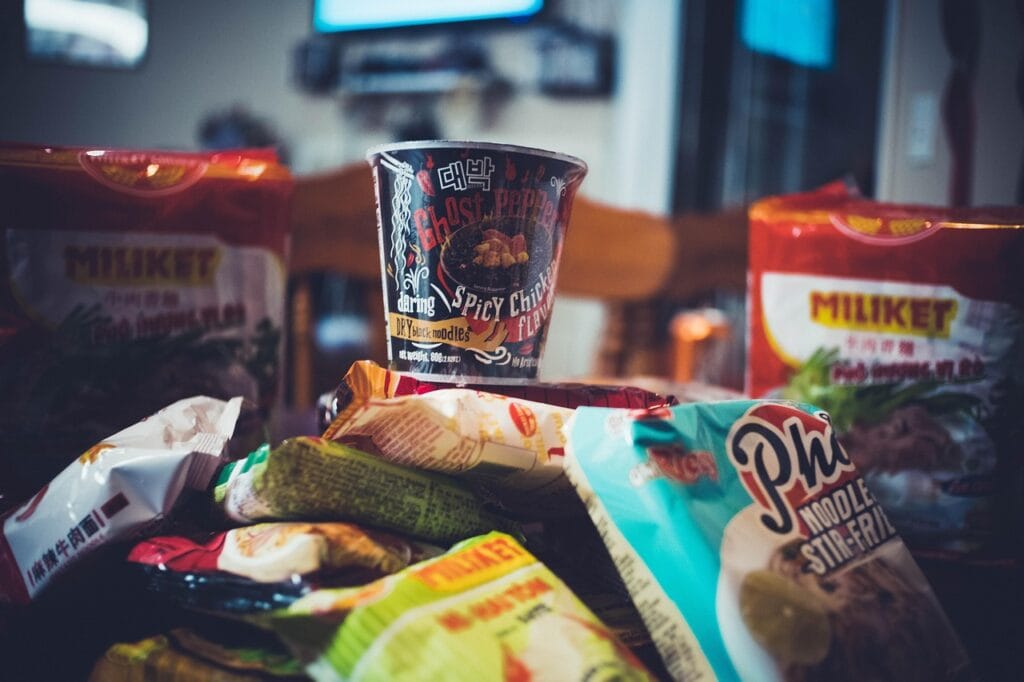
You might swallow your calcium and vitamin D supplements religiously every single morning, but if you regularly reach into your kitchen cabinet for convenient canned soups, packaged seasoning packets, or instant noodle meals, you could be unknowingly flushing all those protective minerals straight down the drain. While most people assume osteoporosis and bone loss stem solely from a lack of dietary calcium, clinical nutrition research reveals that ultra-high-sodium pantry foods actively force your kidneys to dump calcium out of your bloodstream before it ever reaches your skeleton. This subtle, silent mineral drain sabotages even the highest quality supplements, turning your daily bone health routine into an uphill battle unless you cut these stealth culprits out of your diet.
The Kidney Connection: How Sodium Physically Leaches Calcium
To understand why packaged pantry foods wreak havoc on your skeleton, you have to look at how your kidneys process nutrients. Your kidneys act as master filtration units, constantly balancing fluid levels, electrolytes, and essential minerals in your blood.
When you consume food containing high amounts of sodium, your kidneys go into overdrive to filter out that excess salt and excrete it through your urine. However, sodium and calcium share the exact same transport pathways inside your kidney tubules.
As your kidneys flush out excess sodium, they physically drag calcium along for the ride in a clinical process called hypercalciuria.
- The Sodium-Calcium Excretion Ratio: For every 2,300 milligrams of sodium your kidneys excrete (roughly one teaspoon of salt), they pull approximately 40 to 60 milligrams of calcium right out of your bloodstream.
- The Compounding Daily Drain: If your daily pantry choices push your sodium intake up to 4,000 milligrams, you lose over 100 milligrams of usable calcium through your urine every single day.
- The Bone-Borrowing Effect: Your body requires a strict level of calcium in your blood to keep your heart beating and nerves firing. When your kidneys flush calcium out, your parathyroid gland signals your body to strip calcium directly from your bones to restore balance.
The Stealth Pantry Offenders Hiding in Plain Sight
When people hear about the dangers of sodium, they usually picture the salt shaker sitting on the dinner table. However, raw table salt accounts for only a tiny fraction of what most people consume.
Over 70 percent of dietary sodium comes from pre-packaged, shelf-stable pantry items designed for long shelf life and quick preparation. Food manufacturers rely heavily on sodium compounds not just for flavor, but as inexpensive preservatives, texturizers, and color stabilizers.
Here are the primary high-sodium culprits sitting in kitchen cabinets across the country:
- Canned Soups and Condensed Broths: A single serving of traditional canned soup frequently packs between 800 and 1,500 milligrams of sodium. Eating an entire can often exceeds your total recommended sodium allowance for the whole day.
- Instant Ramen and Packaged Noodle Kits: The concentrated seasoning packets included with instant noodles rely almost entirely on monosodium glutamate (MSG) and refined salt to create instant broth.
- Pre-Made Seasoning and Marinade Packets: Convenience spice mixes for tacos, gravies, and chili often list salt as their very first ingredient, adding hundreds of milligrams of sodium to an otherwise healthy meal.
- Jarred Pasta Sauces and Barbecue Glazes: Commercial sauces use sodium to balance out heavy sugars and extend shelf stability once opened.
- Canned Beans and Vegetables in Brine: Unless explicitly labeled as low-sodium or no-salt-added, canned vegetables sit in a dense saline solution that saturates the food over time.
Comparing Pantry Staples and Their Hidden Mineral Impact
Understanding how much sodium hides in standard pantry items makes it much easier to see why your daily calcium supplement might be struggling to keep up.
| Common Pantry Staple | Average Sodium Per Serving | Estimated Calcium Flushed From Body |
| Commercial Canned Soup | 1,200 – 1,500 mg | 25 – 35 mg lost in urine |
| Instant Noodle Cup | 1,100 – 1,400 mg | 22 – 30 mg lost in urine |
| Jarred Marinara Sauce | 500 – 800 mg | 10 – 18 mg lost in urine |
| Taco Seasoning Packet | 300 – 600 mg | 6 – 13 mg lost in urine |
| Canned Beans (in brine) | 400 – 500 mg | 8 – 12 mg lost in urine |
Why Doubling Your Calcium Pills Won’t Fix the Problem
When people discover their bone density is slipping, their immediate instinct is often to take a higher dose of calcium supplements. Unfortunately, human physiology does not work like a simple math equation.
Your small intestine can only absorb a limited amount of calcium at any given time—typically around 500 milligrams per dose. Taking a massive 1,200-milligram tablet all at once simply overloads your digestive system, leading to constipation and poor absorption while doing very little to protect your skeleton.
“Taking calcium supplements while consuming a high-sodium diet is like trying to fill a bathtub without putting the drain plug in—no matter how much calcium you pour in, your kidneys flush it right back out.”
If your daily pantry habits cause your kidneys to excrete 100 milligrams of calcium every 24 hours, your body reaches directly into its primary calcium vault: your skeleton. Specialized cells called osteoclasts break down healthy bone matrix to release calcium into your bloodstream, gradually making your bones porous, brittle, and prone to fractures.
What Happens During a 90-Day Sodium Reset
Committing to a 90-day elimination of ultra-high-sodium pantry foods gives your skeletal system the exact environment it needs to reset its mineral balance. Bone tissue undergoes a continuous remodeling cycle where old bone gets resorbed and new bone mineral gets deposited.
Here is what happens inside your body when you reset your pantry habits over a three-month period:
- Month 1: Immediate Renal Relief: Within days of reducing sodium intake to optimal levels (under 1,500 to 2,000 milligrams per day), kidney calcium excretion drops dramatically. Your body immediately stops wasting the calcium from your meals and supplements.
- Month 2: Parathyroid Stabilization: As blood calcium levels stabilize naturally without constant mineral dumping, your parathyroid gland stops pumping out excess parathyroid hormone (PTH). This signals your osteoclasts to slow down their bone-dismantling activities.
- Month 3: Active Bone Matrix Remodeling: With circulating calcium levels steady and destruction signals dialed back, bone-building cells called osteoblasts take center stage. They utilize available calcium, magnesium, and vitamin D to lay down fresh hydroxyapatite crystals, reinforcing bone microarchitecture.
Simple Pantry Swaps That Save Your Calcium
Eliminating high-sodium pantry items does not mean your meals have to taste bland or boring. You can easily protect your bones while enjoying flavorful, satisfying food by making a few smart kitchen upgrades.
1. Build DIY Spice Blends
Instead of relying on store-bought seasoning packets loaded with salt and anti-caking agents, mix your own herbs and spices in bulk. Combine garlic powder, onion powder, smoked paprika, ground cumin, oregano, and black pepper for incredible flavor with zero sodium.
2. Rinse Canned Goods Thoroughly
If you use canned beans, chickpeas, or vegetables, open the can into a fine-mesh colander and rinse them under cold running water for 30 to 60 seconds. Rinsing drains away up to 40 percent of the excess sodium brine lingering on the surface.
3. Switch to Low-Sodium or Unsalted Broths
Replace standard canned stocks with low-sodium or unsalted bone broths. Bone broth naturally provides collagen, magnesium, and trace minerals that actively support joint and bone structure without overloading your kidneys with salt.
4. Load Up on Potassium-Rich Foods
Potassium acts as a natural partner to calcium in renal health. High dietary potassium signals your kidneys to reabsorb calcium rather than flushing it out. Incorporate plenty of potassium-dense whole foods into your weekly menu, such as:
- Baked sweet potatoes and winter squash
- Fresh avocados and leafy greens like spinach and kale
- Bananas, oranges, and coconut water
- Cooked lentils and white beans (prepared from dry or rinsed thoroughly)
Related Articles
- Dentists Reveal the 10 Worst Foods and Drinks Silently Destroying Your Tooth Enamel Right Now (You Probably Eat #3 Daily)
- Doctors Are Shocked: This Cheap, High‑Protein Snack Lowers Cholesterol Better Than Oatmeal
- The Unexpected Ingredient I Added to My Eggs That Boosted My Protein Intake
- How to Get 100 Grams of Protein a Day Without Feeling Like a Gym Rat
- 10 Signs Your Body Needs More Protein