FREE SHIPPING OVER $50

Spinach vs. Kale: Nutritionists Reveal Which One Actually Has More Nutrients (No. 2 Surprised Me)

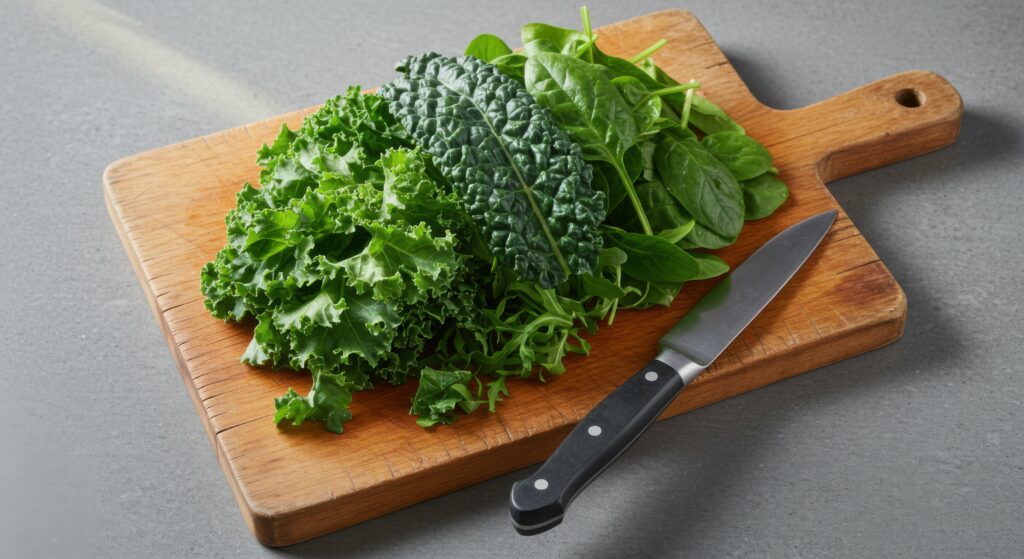
Walking down the produce aisle, health-conscious shoppers often find themselves torn between grabbing a plastic tub of tender baby spinach or a bunch of crinkly, dark green kale. While social media health trends have spent years crowning kale as the undisputed king of superfoods, cellular nutritionists and registered dietitians look beyond raw marketing claims to analyze actual micronutrient density and intestinal absorption rates. The biological reality reveals a surprising, neck-and-neck nutrient battle where neither leaf completely outshines the other across every category. Instead, understanding which green delivers specific vitamins, how naturally occurring plant compounds dictate mineral absorption, and why cooking method changes the final outcome allows you to select the precise leaf your body requires for optimal energy, heart health, and cellular longevity.
The Biological Battle Ground: Micronutrients vs. Bioavailability
Evaluating the true nutritional value of leafy greens requires looking past basic label numbers to consider bioavailability—the percentage of a ingested nutrient that your digestive tract actually absorbs into blood circulation.
Both spinach and kale belong to distinct botanical families, which dictates their chemical makeup.
Spinach (Spinacia oleracea) is a member of the Amaranthaceae family, making it a close relative of beets and Swiss chard.
Kale (Brassica oleracea), on the other hand, is a cruciferous vegetable closely related to broccoli, Brussels sprouts, and cabbage.
These structural family origins determine the type of protective antioxidants, dietary fiber, and natural antinutrients present inside each plant cell wall.
While spinach packs higher raw quantities of essential minerals like magnesium, iron, and folate, it also contains high concentrations of oxalic acid (oxalates).
Oxalates bind tightly to minerals inside your digestive tract, forming insoluble complexes that reduce human intestinal absorption.
Conversely, kale contains virtually zero oxalates, meaning your body absorbs a much higher percentage of its calcium and mineral content despite having slightly lower raw numbers on paper.
“Raw nutrient numbers on a label only tell half the story. Bioavailability dictates whether your body absorbs the iron and calcium on your plate.”
Head-to-Head: Raw Nutrient Breakdown Per 100 Grams
Analyzing raw USDA nutritional data side-by-side demonstrates where each leafy green holds a clear nutritional advantage.
| Nutritional Marker (Per 100g Raw) | Raw Spinach | Raw Kale | Dominant Winner |
| Vitamin C Content | 28.1 mg (31% DV) | 93.4 mg (104% DV) | Kale (3x More) |
| Vitamin A (Beta-Carotene) | 9,377 IU (188% DV) | 4,812 IU (96% DV) | Spinach (2x More) |
| Iron Content | 2.71 mg (15% DV) | 1.47 mg (8% DV) | Spinach (Higher Raw Mass) |
| Calcium Bioavailability | 99 mg (Low Absorption Rate) | 150 mg (High Absorption Rate) | Kale (Superior Absorption) |
| Folate (Vitamin B9) | 194 mcg (49% DV) | 62 mcg (15% DV) | Spinach (3x More) |
| Dietary Oxalates (Antinutrients) | High (~970 mg per 100g) | Very Low (~20 mg per 100g) | Kale (Lower Antinutrients) |
5 Core Nutritional Differences Discovered by Science
Nutrition experts break down five primary chemical differences that define how spinach and kale impact your body differently:
1. Vitamin C Supremacy: Kale Takes a Massive Lead
When it comes to boosting immune resilience, supporting dermal collagen synthesis, and neutralizing free radicals, kale completely outperforms spinach. Delivering over 100% of your daily value per 100 grams, raw kale contains more than triple the Vitamin C found in spinach, making it an ideal choice for natural antioxidant protection.
2. Calcium Absorption (No. 2 Surprised Me): The Oxalate Factor
While traditional charts list spinach as a rich source of plant-based calcium, your gut absorbs only about 5% of the calcium present in raw spinach due to oxalate binding. Because kale contains almost no oxalates, your body absorbs roughly 40% to 45% of its calcium content. This means a serving of cooked kale delivers more absorbable, bone-supporting calcium to your bloodstream than a serving of milk or raw spinach.
3. Folate and Iron Density: Spinach Rules Blood and Brain Health
Spinach dominates kale when it comes to supporting red blood cell formation and DNA synthesis. Delivering nearly half of your recommended daily intake of folate (Vitamin B9) per 100 grams alongside a heavy supply of non-heme iron, spinach serves as a critical dietary staple for energy production, pregnant women, and overall cardiovascular performance.
4. Eye Health and Vision Shielding: A Tie for Carotenoids
Both spinach and kale excel at protecting human eyes from age-related macular degeneration and blue-light strain. Both greens contain massive levels of lutein and zeaxanthin—lipid-soluble carotenoid antioxidants that accumulate directly in your eye’s macular retina to filter out damaging light wavelengths.
5. Cancer-Fighting Compounds: Kale’s Cruciferous Edge
As a cruciferous vegetable, kale contains sulfur-rich glucosinolates that break down into sulforaphane and indoles when chewed or chopped. These bioactive compounds trigger phase II detoxification enzymes in your liver, helping your body clear carcinogens and lower cellular inflammation.
How Preparation Alters Nutrients: Raw vs. Lightly Steamed
How you prepare these greens fundamentally changes their final biological impact:
- Slightly Steaming Spinach Unlocks Minerals: Heat breaks down rigid oxalic acid bonds in spinach, dramatically increasing the bioavailability of its iron and magnesium while softening rough plant fibers for easier digestion.
- Massaging or Blanching Kale Preserves Vitamin C: Eating raw kale can cause digestive bloating in sensitive individuals due to its tough cellulose structure and refined fiber. Lightly massaging raw kale with olive oil or flash-blanching it breaks down tough cell walls while keeping heat-sensitive Vitamin C intact.
2 Common Mistakes People Make With Leafy Greens
Avoiding these frequent kitchen habits ensures you absorb maximum nutrition from every bite:
Mistake 1: Eating Raw Spinach in Daily Smoothies Without Variation
Blending massive amounts of raw spinach into your morning smoothie every single day can cause high concentrations of oxalates to accumulate, potentially increasing the risk of kidney stones in susceptible individuals. Rotating your smoothie greens with kale, romaine, or arugula prevents oxalate overload.
Mistake 2: Eating Greens Without Healthy Dietary Fats
The potent carotenoids in both spinach and kale—including beta-carotene, lutein, and zeaxanthin—are fat-soluble nutrients. Eating un-dressed greens prevents your small intestine from absorbing these antioxidants. Always pair your greens with healthy fats like extra virgin olive oil, avocado, nuts, or seeds.
Related Articles
- Dietitians Reveal the 8 Snacks Always in Their Pantry for Blood Sugar Control (No. 3 Is a Surprise)
- I Followed These 10 Eating Rules After 45—My Belly Overhang Shrank in 6 Weeks (Here’s the Plan)
- The Protein Sweet Spot for Weight Loss: Exactly How Many Grams You Need (Most People Miss This by 40g)
- 10 Metabolism Hacks a Doctor Swears By—#3 Will Have You Dropping Pounds Without Even Trying
- Why Working Out at This Odd Hour Could Torch Twice the Fat