FREE SHIPPING OVER $50

Oncologists Say This Surprising Breakfast Staple Fights Cancer Better Than Eggs—Here’s What to Eat

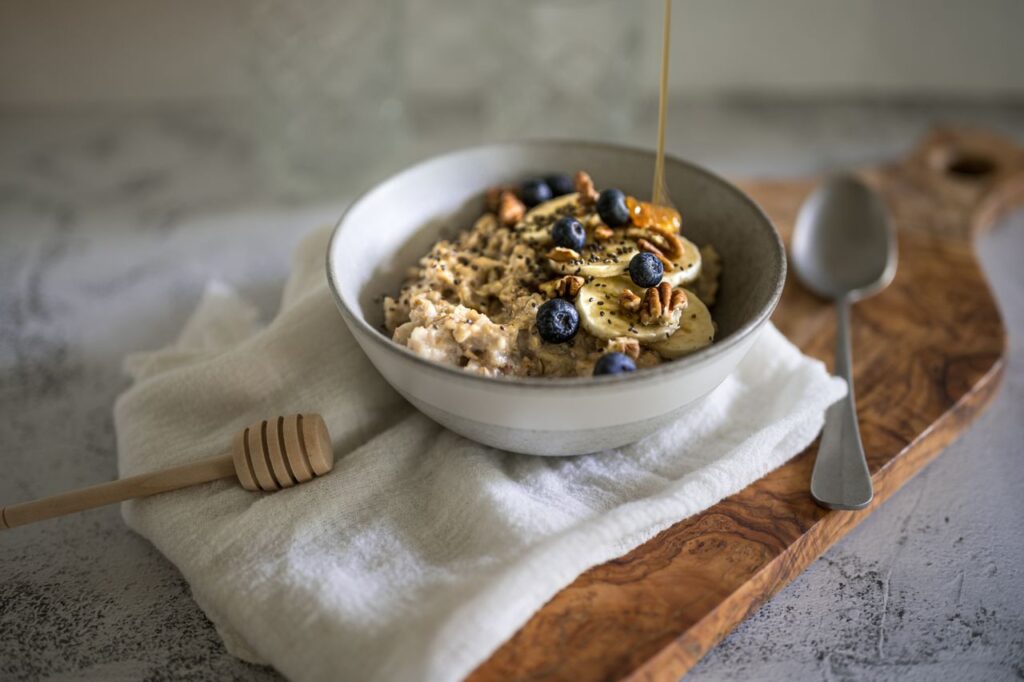
While eggs have held the crown as America’s go-to morning staple for decades, leading oncologists and preventive nutrition experts emphasize that switching to a humble, budget-friendly bowl of rolled or steel-cut oats topped with vibrant berries provides far superior, long-term protection against cellular damage and cancer development. Eggs deliver solid protein and choline, but they lack the single most critical nutrient required to prevent systemic inflammation and nourish your immune system: dietary fiber. Whole-grain oats are loaded with a unique soluble fiber called beta-glucan, alongside potent antioxidant compounds known as avenanthramides, which work together to reduce chronic oxidative stress, starve pre-cancerous cells, and protect your DNA from damage long before malignant growths ever take root.
How Your Morning Meal Influences Cancer Risk
To understand why oncologists champion whole-grain oats over animal-based breakfast options, you have to look at the cellular mechanisms that drive tumor formation. Cancer development is rarely an overnight event; rather, it is a gradual process fueled by chronic systemic inflammation, cellular oxidative stress, elevated circulating insulin levels, and an unhealthy gut microbiome.
When you consume refined starches or processed morning meats, your body experiences sharp spikes in blood sugar and systemic inflammatory markers.
Conversely, whole plant foods supply bioavailable phytochemicals that neutralize unstable free radicals before they can mutate cellular DNA.
Furthermore, cancer researchers emphasize that over 70 percent of your body’s immune system resides directly inside your gastrointestinal tract.
Feeding your gut beneficial prebiotic fibers strengthens the mucosal lining of your colon, preventing carcinogens from entering your bloodstream.
“Eggs provide protein, but oats deliver beta-glucan and avenanthramides—unique compounds that calm cellular inflammation and protect DNA from oxidative damage.”
At a Glance: Oatmeal vs. Eggs for Cellular Protection
Comparing standard breakfast eggs against a bowl of antioxidant-rich oats highlights why oncologists rank whole grains at the top of their cancer-prevention lists.
| Nutritional Feature | Pasture-Raised Eggs | Whole-Grain Oatmeal with Berries |
| Dietary Fiber Content | 0 Grams (Zero Fiber) | 8.0+ Grams (High Soluble & Insoluble Fiber) |
| Key Anti-Cancer Compound | Lutein & Zeaxanthin | Beta-Glucan & Avenanthramides |
| Impact on Gut Microbiome | Neutral to low impact | Produces short-chain fatty acids (Butyrate) |
| Colorectal Cancer Protection | Minimal direct protection | Slashes risk significantly via fiber bulk |
| Glycemic & Insulin Control | Zero carb impact | Blunts insulin spikes that fuel tumor growth |
Why Oats Beat Eggs for Long-Term Cancer Prevention
1. Beta-Glucan Nourishes Cancer-Fighting Gut Microbes
Unlike eggs, which contain zero dietary fiber, whole-grain oats contain massive amounts of beta-glucan, a specialized soluble fiber that forms a viscous gel inside your digestive tract.
Your gut bacteria ferment beta-glucan into beneficial short-chain fatty acids, primarily butyrate.
Butyrate serves as the primary energy source for the cells lining your colon wall, keeping your gut barrier tight and resilient.
Clinical research demonstrates that butyrate actively induces apoptosis—programmed cell death—in damaged colon cells, preventing them from multiplying into cancerous polyps.
2. Unique Avenanthramides Calm Systemic Inflammation
Oats are the sole natural dietary source of avenanthramides, a specialized class of phenolic antioxidants that exist nowhere else in the plant kingdom.
Avenanthramides inhibit the activity of nuclear factor kappa B (NF-kB), a primary protein complex that triggers chronic inflammatory responses throughout human tissue.
By suppressing systemic inflammatory pathways, these unique oat antioxidants prevent the low-grade tissue irritation that allows cancerous cells to mutate, survive, and form blood vessels.
3. Lowering Insulin Spikes Starves Pre-Cancerous Cells
Chronically elevated insulin and insulin-like growth factor 1 (IGF-1) act as potent biological growth signals for abnormal tissue.
When you eat high-glycemic breakfast foods or processed breakfast sandwiches, frequent insulin surges create a favorable environment for tumor proliferation.
The high soluble fiber content in oats slows down gastric emptying and carbohydrate absorption completely.
Maintaining flat, steady blood sugar keeps circulating insulin levels low, denying potential tumor cells the high-glucose environment they need to multiply rapidly.
4. Binds to Excess Estrogen and Toxins in the Gut
Hormone-sensitive cancers—such as certain types of breast and prostate cancer—are driven by elevated levels of circulating hormones in the bloodstream.
Your liver excretes excess estrogen and metabolic waste into your digestive tract through bile.
If your diet lacks fiber, your intestines reabsorb those excreted hormones back into your bloodstream.
The insoluble fiber in whole oats acts like a natural sponge, binding to excess estrogen, heavy metals, and dietary toxins in your digestive tract and flushing them out before reabsorption can occur.
How to Build an Oncologist-Approved Breakfast Bowl
To transform a basic bowl of oatmeal into an unstoppable cancer-fighting powerhouse, combine these expert-backed ingredients:
- Start with Steel-Cut or Rolled Oats: Avoid instant oatmeal packets loaded with artificial flavors and added sugars; choose raw rolled or steel-cut oats that retain their full fiber structure.
- Top with Wild Blueberries or Blackberries: Add a half-cup of dark berries rich in anthocyanins, potent antioxidants that cross cellular barriers to repair damaged DNA strands.
- Stir in Ground Flaxseeds: Add a tablespoon of freshly ground flaxseeds to supply lignans, plant compounds scientifically proven to block hormone receptors and protect against hormone-driven cancers.
- Add Raw Walnuts or Pumpkin Seeds: Sprinkle a handful of raw nuts over your bowl to provide healthy omega-3 fatty acids and zinc, supporting optimal immune system function.
- Dust with Ceylon Cinnamon: Finish with a pinch of real Ceylon cinnamon to further enhance insulin sensitivity and add rich, natural warmth without adding sugar.
2 Common Breakfast Habits to Avoid
Steering clear of these everyday breakfast traps ensures your morning meal actively protects your long-term health:
Habit 1: Pairing Eggs with Processed Breakfast Meats
While eating plain eggs occasionally fits into a healthy diet, pairing them with processed meats like bacon or sausage introduces class-1 carcinogens known as nitrosamines. Nitrosamines directly damage the mucosal lining of your stomach and colon, increasing colorectal cancer risk.
Habit 2: Drinking Commercial Fruit Juices
Drinking a glass of processed orange or apple juice floods your digestive system with concentrated liquid fructose without any natural fruit fiber. This causes sharp blood sugar spikes and contributes to fatty liver accumulation, driving systemic inflammation.
Related Articles
- A Dietitian Ranked the 8 Best Breakfast Cereals for Blood Sugar—The Winner Isn’t What You Think
- Forget Fasting—This 10-Minute Pre-Breakfast Ritual Stabilizes Blood Sugar Faster Than Any Diet
- The Over-50 Breakfast Secret: 12 Metabolism-Boosting Foods That Target Belly Fat While You Sleep
- Your “Healthy” High-Protein Yogurt Could Have More Sugar Than a Donut—Here’s How to Spot the Good Ones
- The Key to Lowering Your Diabetes Risk May Already Be in Your Fridge, New Study Says