FREE SHIPPING OVER $50

Forget Brown Rice: The Cooling Hack That Turns White Rice Into a Blood‑Sugar‑Friendly Carb (Backed by Research)

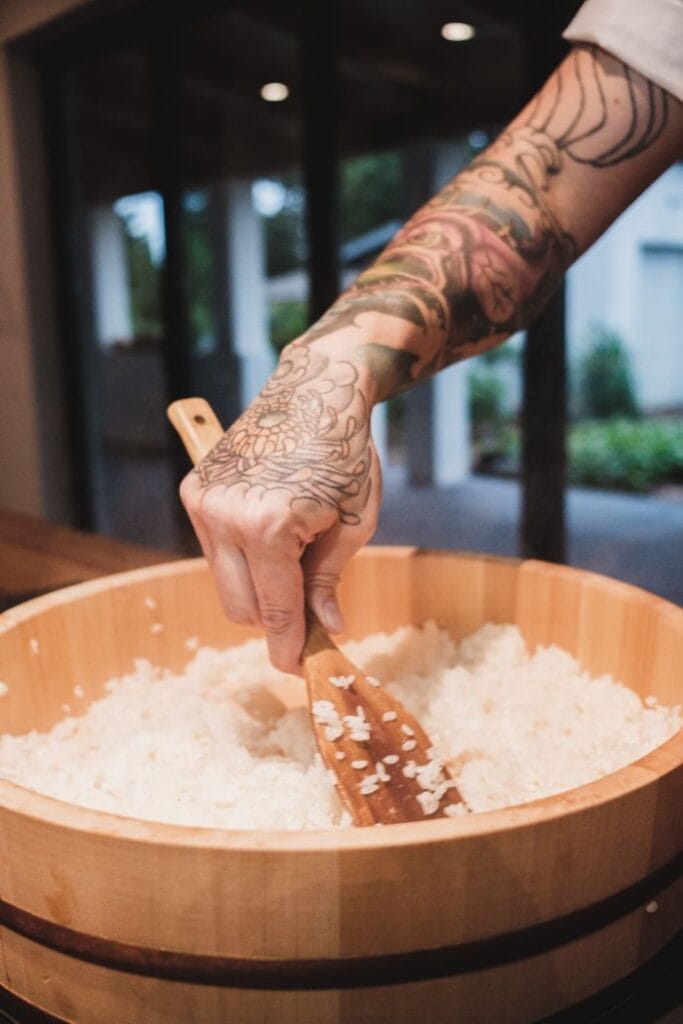
If you have spent years forcing yourself to eat dense, chewy brown rice just to keep your blood sugar from spiking into the stratosphere, you are in for a very pleasant kitchen surprise. For decades, traditional nutrition advice told health-conscious adults to abandon white rice entirely because its rapidly digestible starches hit the bloodstream like a spoon full of pure sugar. However, groundbreaking clinical research reveals that a simple temperature trick performed in your own refrigerator physically alters the starch molecules in white rice, lowering its glycemic impact and turning a supposedly “bad” carb into a gut-friendly, blood-sugar-stable side dish.
The Great Rice Dilemma: Why White Rice Got Demonized
White rice gets a bad reputation in wellness circles because of how food manufacturers process the grain. Milling removes the outer bran layer and germ, leaving behind the smooth endosperm, which consists mostly of easy-to-digest starches.
When you eat a hot bowl of freshly cooked white rice, your digestive enzymes quickly break down those starches into simple glucose units. Your body absorbs this glucose rapidly through the small intestine, triggering a sharp rise in blood sugar and prompting your pancreas to pump out insulin.
For people watching their glucose levels, managing prediabetes, or optimizing metabolic health, these rapid glucose spikes present a real challenge:
- Energy Crashes: Rapid glucose surges often lead to an aggressive insulin reaction, causing your blood sugar to plummet shortly after eating.
- Increased Cravings: Sudden blood sugar dips trigger hunger signals in the brain, making you reach for snacks soon after finishing a meal.
- Insulin Resistance: Frequently flooding your bloodstream with high amounts of glucose forces your cells to work harder, gradually reducing their sensitivity to insulin over time.
Because brown rice retains its fibrous bran hull, health experts traditionally recommended it as the superior choice. But brown rice takes longer to cook, spoils faster, contains higher levels of naturally occurring antinutrients like phytic acid, and simply does not match the soft texture or versatility of white rice. Fortunately, science has uncovered a way to get the best of both worlds.
What Happens When You Cool White Rice?
The secret behind making white rice blood-sugar-friendly lies in a natural chemical process called retrogradation.
Rice starch contains two primary types of carbohydrate molecules: amylose and amylopectin. When you cook rice in boiling water, these starch granules absorb water, swell up, and soften into a digestible form. This process is known as gelatinization.
However, when you take that hot cooked rice and cool it down in the refrigerator, something remarkable happens at the microscopic level:
- Molecular Realignment: As the temperature drops, the loose amylose and amylopectin chains begin to re-align and pack tightly together into rigid crystalline structures.
- Starch Transformation: This tight crystalline formation locks the starch molecules into a new shape that your digestive enzymes cannot easily break down.
- Resistant Starch Formation: Digestible starch turns directly into Resistant Starch Type 3 (RS3), a form of carbohydrate that “resists” digestion in your stomach and small intestine.
Because resistant starch passes through your upper digestive tract without breaking down into simple glucose, it does not flood your bloodstream with sugar. Instead, it travels all the way down to your large intestine, functioning much like soluble dietary fiber.
What the Research Actually Says
This cooling phenomenon is not just a internet trend—it is supported by rigorous nutritional science. Multiple clinical studies published in peer-reviewed journals have tested how temperature changes affect the glycemic index of rice.
In one landmark study published in the Asia Pacific Journal of Clinical Nutrition, researchers compared three groups of cooked white rice:
- Group A: Freshly cooked, hot white rice.
- Group B: White rice cooled at room temperature for 10 hours.
- Group C: White rice cooled in a refrigerator at 40°F (4°C) for 24 hours, then reheated.
When human subjects ate the rice, researchers measured their post-meal blood glucose levels. The results were dramatic. The cooled and reheated white rice (Group C) produced a significantly lower blood sugar spike compared to freshly cooked white rice.
Does Reheating Destroy the Resistant Starch?
Many people assume that warming the rice back up will undo the cooling hack and convert the starch back into fast-acting sugar. Fortunately, scientific testing shows the exact opposite.
Once retrogradation occurs during the refrigeration phase, the new crystalline bonds remain stable. Reheating the rice actually increases resistant starch levels even further in some rice varieties, meaning you can enjoy a hot, comforting meal while still protecting your blood sugar.
White Rice vs. Cooled White Rice vs. Brown Rice
To see how cooled white rice compares to traditional grain choices, consider this breakdown of digestion speed, metabolic impact, and culinary perks:
| Rice Type | Digestion Speed | Blood Sugar Impact | Primary Gut Benefit | Culinary Texture |
| Fresh Hot White Rice | Rapid | High glucose spike | Minimal fiber action | Soft, fluffy, tender |
| Cooled & Reheated White Rice | Slow & steady | Moderate to low rise | High resistant starch (feeds gut bacteria) | Fluffy, firm, light |
| Traditional Brown Rice | Moderate | Moderate rise | Insoluble surface fiber | Chewy, nutty, dense |
As the comparison shows, cooling white rice provides the low-glycemic advantages typically associated with whole grains while maintaining the mild flavor profile people love about white rice.
The Surprising Gut Health Benefits of Resistant Starch
Lowering blood sugar spikes is only half the story. When resistant starch reaches your colon intact, it acts as a premium prebiotic fertilizer for your beneficial gut microbiome.
“Resistant starch bypasses early digestion entirely, arriving in your colon where healthy gut bacteria ferment it into powerful anti-inflammatory compounds.”
Your gut bacteria ferment resistant starch into short-chain fatty acids (SCFAs), primarily one called butyrate. Butyrate serves as the primary energy source for the cells lining your intestinal wall, offering several critical health perks:
- Strengthens the Gut Barrier: Butyrate reinforces the mucosal lining of your gut, preventing harmful compounds from leaking into your bloodstream.
- Improvers Insulin Sensitivity: Short-chain fatty acids signal your tissues to absorb glucose more efficiently, improving overall metabolic health over time.
- Reduces Systemic Inflammation: Healthy SCFA production helps lower chronic cellular inflammation throughout the entire body.
- Enhances Satiety: Fermentation in the large intestine triggers the release of fullness hormones like GLP-1 and PYY, helping you stay satisfied for hours after eating.
Step-by-Step Guide: How to Do the Rice-Cooling Hack
Executing this hack in your own kitchen requires zero special equipment, but following proper timing and temperature guidelines is essential for maximum resistant starch formation and food safety.
1. Cook Your Rice Normally
Cook long-grain white rice, Basmati, or Jasmine rice using your standard water ratio in a pot or rice cooker.
Pro Tip: Adding one teaspoon of healthy fat (like extra virgin coconut oil or butter) to the boiling water before adding the rice can further enhance resistant starch formation during the cooling process.
2. Cool It Down Quickly for Food Safety
Uncooked rice can naturally carry dormant spores of Bacillus cereus, a bacterium that survives normal cooking temperatures. If cooked rice sits out at room temperature for hours, these spores can multiply and cause foodborne illness.
- Spread cooked rice thinly on a broad baking sheet to allow steam to escape quickly.
- Transfer the rice into airtight glass storage containers within 30 to 60 minutes of cooking.
3. Refrigerate for 12 to 24 Hours
Place the covered containers in your refrigerator set to 40°F (4°C) or colder. Leave the rice to chill uninterrupted for at least 12 hours. Research shows that 24 hours of cold storage maximizes the retrogradation process.
4. Reheat and Enjoy
When you are ready to eat, scoop out your desired portion and reheat it thoroughly using your stove, microwave, or steamer. Add a splash of water or broth to restore moisture, stir well, and serve hot alongside your favorite proteins and vegetables.
4 Easy Ways to Serve Cooled White Rice Every Week
Adding this prep habit to your routine makes meal planning faster while protecting your energy levels. Here are four great ways to incorporate cooled white rice into your weekly diet:
- Balanced Protein Bowls: Layer chilled or reheated white rice with grilled chicken breast, sliced avocado, black beans, and salsa for a hearty, steady-energy lunch.
- Healthy Homemade Fried Rice: Freshly cooked rice gets mushy when stir-fried, but cooled rice holds its shape perfectly. Toss chilled rice into a skillet with sesame oil, scrambled eggs, green onions, and fresh vegetables.
- Chilled Grain Salads: Use cold white rice as a base for Mediterranean grain salads mixed with diced cucumbers, cherry tomatoes, feta cheese, olive oil, and lemon juice.
- Batch Meal Prep: Cook a large batch of white rice on Sunday, cool it properly in individual glass containers, and enjoy blood-sugar-friendly side dishes all week long.
Related Articles
- The Old‑World Blood Sugar Trick That’s Making Americans Finally Ditch Their Diabetes Meds
- Forget Protein Shakes: These 10 Real Foods Rebuild Muscle Faster After a Hard Workout
- 7 Creatine-Rich Foods That Power Your Performance, Recovery, and Brain Health
- Top FODMAP-Friendly Protein Powders and Meal Replacements You Need Now
- Try These 5 High-Protein Smoothie Ingredients Instead of Protein Powder