FREE SHIPPING OVER $50
Free 7-Day Full Liquid Diet Menu PDF: Your Complete Guide

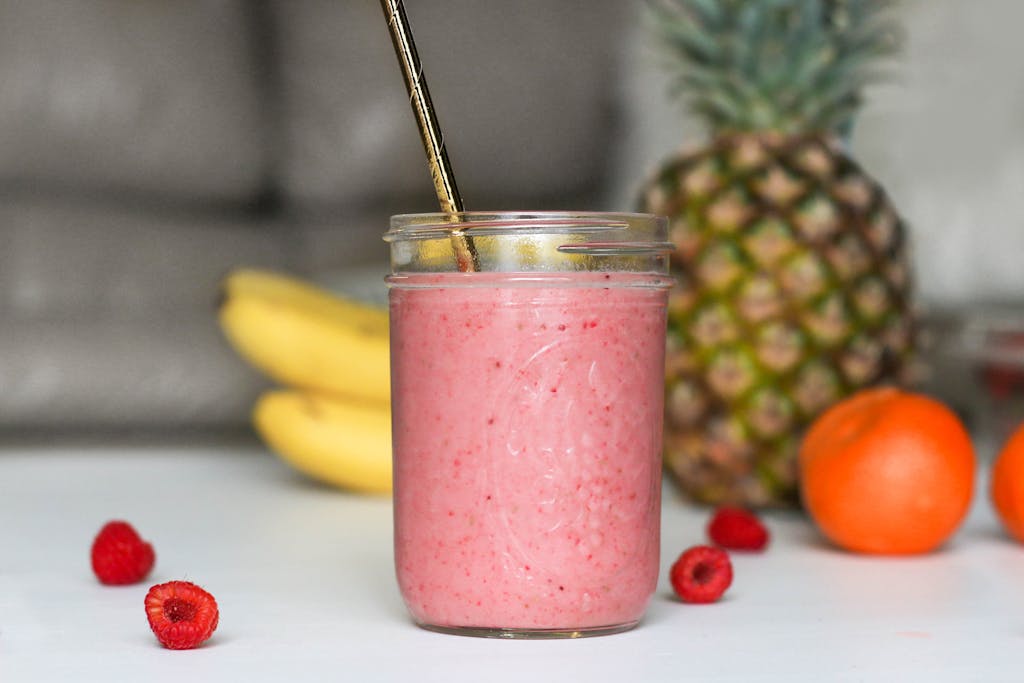
Thinking of starting a full liquid diet? Whether it’s for medical reasons or personal choice, a full liquid diet can be a fantastic short-term solution. But before you dive in, you’ll need a solid plan. That’s where a well-designed full liquid diet menu PDF comes in handy, giving you structure, variety, and ensuring you’re getting the nutrients you need. In this guide, we’ll walk you through a 7-day full liquid diet menu, including full liquid diet foods, the benefits of a full liquid diet, and even provide tips on how to stick with it.
Download: Free Printable Liquid Diet Menu
Key Takeaways
⚠ Before You Start: Read This First
A full liquid diet is a medical diet, not a weight-loss diet. It’s used short-term for surgery preparation, recovery from gastrointestinal surgery, swallowing difficulties, and bowel rest — always under a doctor’s or dietitian’s supervision.
What you need to know before trying it:
- A typical full liquid diet delivers only 800–1,200 calories and 40–60g of protein per day, which is below what most adults need. It is not nutritionally complete.
- Do not follow it for more than 5–7 days without medical supervision.
- Do not use it for weight loss. Rapid weight loss on liquids is mostly water and muscle, and it returns quickly once you eat solid food again.
- Speak to your doctor first if you are pregnant, breastfeeding, diabetic, have kidney or liver disease, have a history of disordered eating, or take medication that requires food.
- Stop and seek medical advice if you experience dizziness, confusion, heart palpitations, or fainting.
This menu is a planning template. It is not a substitute for individualized medical advice.
What Is a Full Liquid Diet?
Before we get into the actual menu, let’s clarify what a full liquid diet is. A full liquid diet consists of foods and beverages that are smooth, easy to swallow, and don’t require chewing. It’s typically used in situations like post-surgery recovery or medical treatments where your digestive system needs a break.
So, what’s on the menu? Think about soups, broths, smoothies, and juices—all designed to be soothing while still nourishing your body.
Benefits of the Full Liquid Diet
Why would you choose a liquid diet? Here are some of the major benefits:
- Digestive relief: By only consuming liquids, your digestive system is given a break, allowing it to heal from medical conditions, surgeries, or other gastrointestinal issues.
- Easy nutrient absorption: Liquids are more easily absorbed by the body, which can improve nutrient intake during recovery.
- Quick preparation: Meals and snacks on a full liquid diet require little to no preparation, making it a convenient option.
- Hydration: Liquid-based meals naturally increase water intake, helping to maintain hydration throughout the day.
- Medically supervised only: A full liquid diet is a clinical tool for specific medical situations, not a general nutrition or weight-loss strategy. It should only be followed under a doctor’s guidance and for a short, defined period.
- Transitioning phases: It serves as a perfect transitional diet when moving from a clear liquid diet back to solid foods.
What Can You Eat on a Full Liquid Diet?
A common question people have is: What foods are allowed on a full liquid diet? The good news is that while the food list might sound restrictive, there are plenty of options to keep things varied and flavorful. Below is an example of full liquid diet foods:
- Broth-based soups (vegetable, chicken, beef)
- Creamy soups (well-blended)
- Smoothies (fruits, yogurt, and milk)
- Fruit juices (no pulp)
- Milkshakes
- Yogurt (without fruit pieces)
- Ice cream and popsicles (no nuts or chunks)
- Custards, puddings, and gelatin
- Water, tea, coffee (without solid add-ins)
- Protein shakes or meal replacement drinks
- Cream of wheat or rice (blended for smoothness)
- Pureed fruits (apple, pear, banana)
- Blended oatmeal with milk
- Blended mashed potatoes with broth
- Nutritional supplement drinks (Ensure, Boost)
These options ensure that you’re consuming a balanced mix of protein, carbohydrates, and fats while following your liquid diet.
How Much Protein Do You Need on a Full Liquid Diet?
This is where most full liquid diets fail. Broth, juice, gelatin, and strained soups are almost entirely water and carbohydrate — they contribute virtually no protein. A menu built only from those foods can leave you under 20g of protein a day.
Target: 60–80g of protein daily for most adults on a full liquid diet. If you’re recovering from surgery or have a wound to heal, your doctor may recommend more.
How to hit it without adding solid food:
- Add unflavored whey or collagen powder to soups, puddings, custards, and hot cereals. Unflavored whey dissolves into savory liquids without changing the taste.
- Make creamy soups with milk instead of water. One cup of skim milk adds about 8g of protein.
- Stir 1 tbsp of skim milk powder into cream of wheat, oatmeal, mashed potato soup, or custard — it adds roughly 3g of protein per tablespoon with no change in texture.
- Use Greek yogurt instead of regular yogurt in smoothies — about 16g per 3/4 cup versus 9g.
- Choose ready-to-drink nutrition shakes (Ensure, Boost, or equivalent) as a meal or snack when you can’t prepare anything.
- Blend cooked chicken, tofu, or silken tofu into soups before straining. This is standard practice in clinical liquid diets.
What each of these contributes:
| Protein source | Amount | Protein |
|---|---|---|
| Greek yogurt | 3/4 cup | ~16g |
| Skim milk | 1 cup | ~8g |
| Whey protein powder | 1 scoop | ~20–25g |
| Skim milk powder | 1 tbsp | ~3g |
| Ready-to-drink shake | 1 bottle | ~20g |
| Blended silken tofu | 1/2 cup | ~8g |
| Blended cooked chicken | 1/2 cup | ~15g |
| Creamy soup made with milk | 1 cup | ~8g |
| Pureed pea soup | 1 cup | ~9g |
| Gelatin | 1/2 cup | ~1g |
| Apple juice | 1 cup | 0g |
7-Day Full Liquid Diet Menu Plan
Here’s an example of a full liquid diet menu plan you can follow for seven days. The key here is to focus on variety while ensuring you meet your nutritional needs.
| Day | Breakfast | Lunch | Snack | Dinner |
|---|---|---|---|---|
| Monday | Smoothie (banana, Greek yogurt, almond milk) | Creamy tomato soup (strained) | Vanilla pudding | Broth-based chicken soup (blended) |
| Tuesday | Cream of wheat with milk | Butternut squash soup (blended) | Apple juice | Blended vegetable soup |
| Wednesday | Fruit smoothie (no pulp) | Cream of mushroom soup | Flavored gelatin | Chicken broth with pureed carrots |
| Thursday | Chocolate milkshake | Creamy potato soup | Vanilla yogurt (no fruit pieces) | Vegetable broth with blended spinach |
| Friday | Oatmeal blended with almond milk | Pureed pea soup | Fruit popsicle | Beef broth with pureed cauliflower |
| Saturday | Smoothie (strawberries, milk) | Pumpkin soup | Fruit-flavored gelatin | Tomato soup (strained) |
| Sunday | Vanilla-flavored protein shake | Creamy broccoli soup (blended) | Custard | Chicken broth with pureed sweet potato |
Download: Free Printable Liquid Diet Menu
This full liquid diet menu plan ensures you’re getting enough protein, fats, and carbs while keeping everything easy on your digestive system.
Tips for Success on a Full Liquid Diet
Starting a full liquid diet can be challenging, but with a few tips, you can make it a lot easier:
- Stay Hydrated: It’s easy to forget to drink enough water when you’re on a liquid diet. Make sure you’re sipping water, herbal teas, or clear broths throughout the day.
- Blend Well: Ensure all foods are fully blended and smooth. Even small chunks can make things harder to digest.
- Add Nutritional Boosts: Consider adding protein powder, collagen, or supplements to your smoothies for an extra nutrient boost.
- Track Your Progress: Document how your body feels throughout the diet. This can help you notice any improvements and make adjustments as needed.
- Keep Your Meals Varied: Don’t stick to the same thing every day. Mix up your soups, broths, and smoothies to keep your diet interesting.
Is the Full Liquid Diet Right for You?
A full liquid diet is appropriate in specific, usually temporary situations:
- You’re preparing for, or recovering from, surgery
- You have a medical condition that makes swallowing difficult or painful
- Your doctor has prescribed bowel rest for a gastrointestinal condition
- You’re transitioning between a clear liquid diet and solid food
It is not appropriate as a weight-loss method, a detox, or a reset. Liquid diets marketed for weight loss typically deliver well under 1,000 calories a day, are low in protein and fiber, and lead to muscle loss alongside fat loss. Most of the weight returns within weeks of resuming normal eating.
Who should not start a full liquid diet without medical clearance: people who are pregnant or breastfeeding, anyone with diabetes, kidney disease, liver disease, or a history of disordered eating, and anyone taking medication that needs to be taken with food.
If you’re considering a full liquid diet for any reason, talk to your doctor or a registered dietitian first. They can confirm whether it’s appropriate for you and help you avoid the nutritional gaps that make unsupervised liquid diets risky.
Ready to give it a try? Download the full liquid diet menu PDF and start planning your meals today!
Related Articles
If you found this blog post insightful, explore more by delving into our related articles:
- Free 7-Day Gallbladder Diet Menu Plan
- Free 7 Day Meal Plan for Ulcers
- Free 7-Day Meal Plan for Cancer Patients
- Free 21-Day Fatty Liver Diet Plan
- Free 7-Day 2500 Calorie Meal Plan + PDF
- Free 7-Day Metabolic Confusion Meal Plan
- Free 7-Day Meal Plan for Pancreatitis
- Free 7-Day Meal Plan for Crohn’s Disease
- Free 7-Day Meal Plan for Gestational Diabetes
- Free 7-Day Meal Plan for Kidney Disease: Renal Diet
Sources
- MedlinePlus: Full liquid diet
- Mayo Clinic: Clear liquid diet
- Gastroenterology Associates of Beverly Hills: FULL LIQUID