FREE SHIPPING OVER $50

Physical Therapists Say This 3-Move Routine Is Why Seniors Are Walking Pain-Free Again—Here’s How It Works

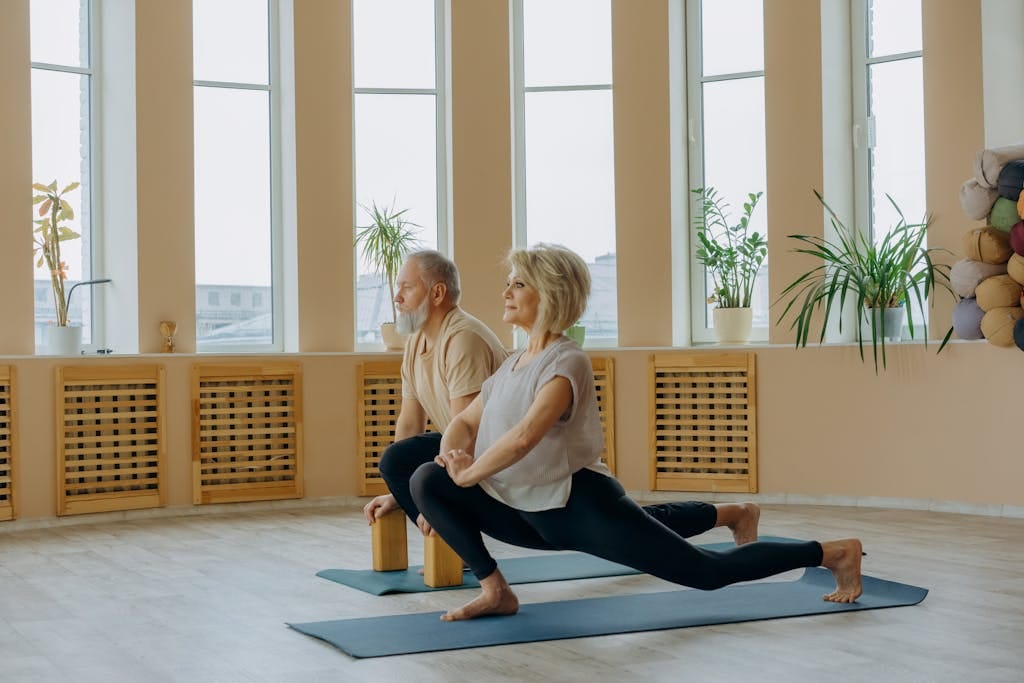
For millions of older adults, a relaxed morning stroll around the neighborhood slowly turns into a frustrating ordeal dominated by nagging knee stiffness, tight hips, and lower back ache. When joint discomfort flares up, many seniors instinctively sit down more and avoid movement to protect their legs, unaware that prolonged rest actually starves cartilage of nutrients and stiffens supporting muscles. Physical therapists and geriatric movement experts emphasize that comfortable gait mechanics and walking confidence serve as primary pillars of functional independence as you age. Fortunately, unlocking rigid joints does not require grueling gym workouts or complex training equipment. Performing a targeted, 3-move joint mobility routine daily warms up tight connective tissue, restores natural stride alignment, and helps older adults walk comfortably again.
The Joint Mobility Mechanics: Why Walking Comfort Changes with Age
To understand why walking starts to feel stiff or painful as years add up, you have to look at how lower-body joints coordinate during everyday locomotion.
Taking a single step requires your ankles, knees, and hips to work as a synchronized chain, absorbing foot-strike impact while propelling your body forward.
Decades of sitting, past sports injuries, or sedentary habits cause your hip flexors to shorten, your ankle flexibility to drop, and your glute stabilizer muscles to go quiet.
When your ankles fail to flex and your hips remain locked, your knee joints are forced to twist abnormally and absorb harsh impact forces they were never built to handle.
Physical therapists design targeted mobility routines to break this cycle by restoring smooth joint articulation and re-engaging sleepy leg stabilizers.
Warming up these key alignment points lubricates your joint cartilage, relieves friction on sensitive nerve endings, and allows your legs to swing naturally without pinching your lower back.
“Joints do not wear out simply from gentle use; they stiffen from lack of fluid movement. Daily low-impact mobility feeds cartilage and keeps gait mechanics effortless.”
At a Glance: Resting Stiff Joints vs. Physical Therapist Mobility Protocols
Comparing sedentary joint management against a targeted daily physical therapy mobility routine illustrates why gentle movement leads to lasting walking comfort.
| Physical & Functional Parameter | Sedentary Joint Care | 3-Move Daily Mobility Routine |
| Synovial Fluid Flow | Stagnant; joints feel dry and crunchy | Circulates lubricating fluid directly across cartilage |
| Ankle Range of Motion | Restricted dorsiflexion causes foot shuffling | Restores ankle flexibility for easy toe clearance |
| Hip Extension Capacity | Tight hip flexors tilt pelvis forward & strain lower back | Opens hips to allow smooth, long walking strides |
| Glute & Pelvic Stability | Dormant glutes cause knees to cave inward | Fires key gluteal stabilizers to protect knee alignment |
| Long-Term Functional Impact | Speeds up loss of balance & walking endurance | Preserves comfortable stride, agility, and vitality |
The 3-Move Physical Therapy Routine for Pain-Free Walking
Executing these three gentle, low-impact movements every morning prepares your hips, knees, and ankles for smooth, fluid walking throughout the day:
1. Seated Ankle Clock & Flexion Pumps
Stiff ankles disrupt your heel-to-toe stride, forcing your body to compensate by turning your feet outward and twisting your knees with every step.
Sit upright on a sturdy chair with your shoulders relaxed and feet flat on the floor.
Lift your right foot slightly off the floor, extend your leg forward comfortably, and slowly trace wide circular motions with your big toe for 10 clockwise rotations and 10 counterclockwise rotations.
Follow up by pumping your foot up and down, flexing your toes toward your shin, and then pointing them forward 10 times per side.
This gentle movement circulates fresh synovial fluid into your ankle joint, restoring essential up-and-down flexibility so your feet clear the ground without tripping or shuffling.
2. Supported Standing Hip Extension & Flexor Release
Tight hip flexors hold your pelvis in a forward tilt, locking up your lower back and stopping your back leg from extending naturally during a stride.
Stand directly behind a sturdy chair or kitchen counter, resting both hands lightly on the surface for complete balance support.
Keep your posture tall, shift your weight onto your left foot, and slowly glide your right leg straight back behind you, pressing your right heel toward the floor until you feel a gentle stretch across the front of your right hip.
Squeeze your right glute for 2 seconds at the back of the movement, then return to the starting position, completing 8 to 10 controlled repetitions per leg.
Opening your hip flexors while engaging your glutes restores full hip extension, letting your legs stride backward freely without compressing your lumbar spine.
3. Assisted Sit-to-Stand Glute Activation
Weak glute muscles are a leading cause of knee instability, as your knees tend to cave inward when your glutes fail to support your pelvis during foot contact.
Sit on the front third of a firm chair with your feet placed flat on the floor, spaced hip-width apart.
Lean slightly forward from your hips, keep your chest open, and drive firmly through your heels, squeezing your glutes to press yourself up into a standing position.
Pause for one second at the top while standing tall, then push your hips back and lower yourself down under control over a 3-second count until your seat lightly touches the chair.
Perform 8 to 12 smooth repetitions.
Building responsive glute strength provides solid pelvic stability, absorbing foot-strike impact so your knees remain properly aligned and comfortable with every step.
How Physical Therapists Suggest Structuring This Routine
Getting the best results from these three exercises relies on consistency rather than rushing through high repetitions:
- Perform the Routine Every Morning: Joint tissue naturally stiffens after hours of rest. Spending five minutes on these movements right after waking up primes your cartilage before daily activities begin.
- Use as a Pre-Walk Warm-Up: Complete one round of these three exercises immediately before heading out for outdoor errands or neighborhood walks to prepare your legs for impact.
- Stay Within a Pain-Free Zone: Never force your joints into sharp discomfort. Move slowly inside your current comfortable range of motion, letting your tissues loosen up naturally over time.
2 Common Walking Habits Seniors Should Fix
Steering clear of these frequent movement errors helps protect your cartilage and improves your balance:
Mistake 1: Looking Down at the Ground While Walking
Walking with your chin tucked toward your chest shifts your body’s center of gravity forward, placing excessive structural strain on your neck, upper back, and knees. Keep your head up, look roughly 10 to 15 feet ahead, and let your peripheral vision monitor the walking path.
Mistake 2: Shuffling Feet to Avoid Loss of Balance
Many older adults shorten their stride and drag their soles across the ground when feeling unsure on their feet. Shuffling actually increases trip hazards because your toes cannot clear pavement unevenness. Practicing ankle pumps restores foot clearance so you step cleanly.
Related Articles
- A Doctor Reveals Whether Walking Can Undo the Longevity Risks of Sitting All Day—The Answer Is Nuanced
- Gynecologists Say These 9 Simple Habits Keep Your Ovaries Young and Healthy for Decades
- The 30-Second Biological Age Test That Predicts How Long You’ll Live—Most People Over 40 Fail It
- Taking Blood Sugar Medication? These 6 Supplements Could Be Canceling Out Your Dose Without You Knowing
- Scientists Just Discovered a Tea + Vitamin Pair That Rejuvenates Aging Brain Cells—Here’s What You Need to Know