FREE SHIPPING OVER $50

I Replaced My Vitamin C Supplement With These 9 Foods—Here’s What Happened to My Energy and Immunity

For years, popping a synthetic 1,000-milligram Vitamin C tablet every morning felt like an essential insurance policy against seasonal colds and low afternoon energy. However, after learning that isolated ascorbic acid supplements lack the living enzymes, bioflavonoids, and dietary fiber that help your body actually utilize antioxidants, swapping out that daily chewables bottle for real whole foods became a game-changing nutrition experiment. Within just three weeks of getting daily Vitamin C exclusively through nutrient-dense produce like red bell peppers, kiwis, and papaya, noticeable changes began to take shape: digestive discomfort vanished, physical energy stabilized without caffeine crashes, and daily immune resilience felt stronger than ever.
The Biological Secret of Whole Food Synergy
To understand why real food outperforms a synthetic pill, you have to look at how nutrients interact inside your digestive tract. Synthetic supplements deliver isolated L-ascorbic acid in massive doses that often flush right through your system as unabsorbed waste.
Conversely, nature packages Vitamin C alongside complementary plant compounds known as bioflavonoids (such as rutin, hesperidin, and quercetin).
These natural bioflavonoids act like biological bodyguards, increasing the absorption rate of Vitamin C while protecting it from rapid oxidation in your stomach.
Furthermore, Vitamin C is an absolute essential cofactor for non-heme iron absorption.
When you eat Vitamin C in its natural food matrix alongside plant-based meals, it converts iron into a highly soluble form that your gut absorbs effortfully.
This dramatic boost in cellular iron uptake directly drives oxygen transportation across your bloodstream, explaining why swapping pills for whole foods leads to a noticeable surge in daily physical energy.
“Isolated ascorbic acid is just one component of a complex biological network. Whole food Vitamin C comes packaged with bioflavonoids and trace minerals that maximize absorption and cellular uptake.”
At a Glance: Whole Food Vitamin C vs. Synthetic Supplements
Comparing whole food sources against standard bottled supplements highlights why real produce offers superior long-term vitality benefits.
| Feature / Nutrient Aspect | Whole Food Vitamin C Matrix | Synthetic Ascorbic Acid Pills |
| Primary Nutrient Form | Complete complex (Ascorbic acid + Bioflavonoids) | Isolated synthetic L-ascorbic acid |
| Digestive Absorption Rate | High (Slow, steady release via food matrix) | Low to Moderate (Rapid excretion in urine) |
| Stomach Sensitivity | Gentle on stomach lining (Buffered by fiber) | Can cause hyperacidity and stomach upset |
| Additional Health Perks | Dietary fiber, enzymes, potassium, and folate | Zero additional cofactors or dietary fiber |
| Impact on Cellular Energy | Enhances dietary iron absorption for sustained oxygen flow | Temporary spike without structural cellular support |
The 9 Foods That Replaced My Daily Vitamin C Supplement
Transitioning away from bottled vitamins requires building a colorful, accessible grocery routine packed with high-density produce:
1. Red Bell Peppers: The Undisputed Vitamin C King
While most people associate Vitamin C strictly with citrus fruits, red bell peppers actually pack significantly more nutrient density per serving. A single cup of raw chopped red bell pepper delivers roughly 190 milligrams of Vitamin C—more than 200 percent of your daily recommended intake. Eating them raw in salads or with hummus preserves their delicate heat-sensitive antioxidants.
2. Kiwifruit: The Cellular Energy & Digestion Powerhouse
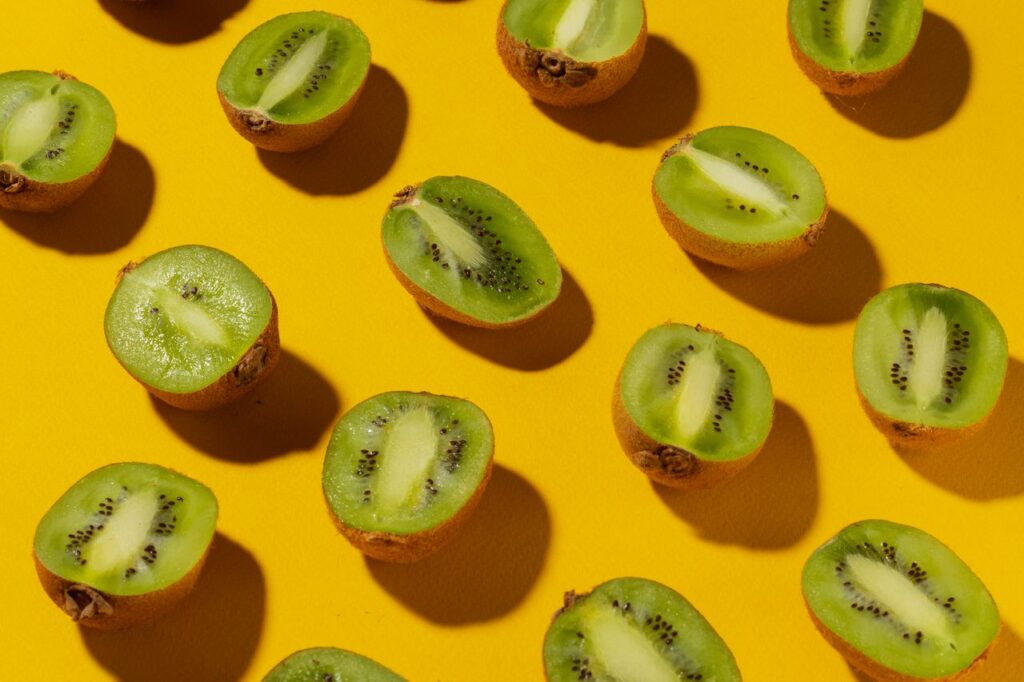
Eating just two small green or gold kiwis provides around 130 milligrams of pure Vitamin C alongside the natural digestive enzyme actinidin. Gold kiwis pack an even higher antioxidant concentration. Adding kiwis to your morning routine supports smooth gut motility while accelerating nutrient absorption.
3. Strawberries: The Low-Sugar Antioxidant Shield
A single cup of fresh sliced strawberries provides roughly 90 milligrams of Vitamin C, making them an ideal low-glycemic fruit option. Strawberries are rich in ellagic acid, a specialized polyphenol that works synergistically with Vitamin C to protect skin collagen and fight systemic cellular inflammation.
4. Papaya: The Tropical Immune Booster
Half a small papaya packs over 90 milligrams of Vitamin C alongside high amounts of Vitamin A and digestive papain enzymes. Eating fresh papaya regularly helps soothe stomach irritation while delivering a steady wave of immune-supporting bioflavonoids.
5. Broccoli: The Cruciferous Health Defender
A cup of cooked broccoli supplies around 80 milligrams of Vitamin C along with potent cancer-fighting glucosinolates. To preserve its water-soluble vitamins, light steaming or quick roasting is far superior to boiling, which leaches nutrients directly into the cooking water.
6. Oranges and Grapefruit: The Classic Bioflavonoid Source
While not the absolute highest on the list, traditional citrus fruits remain an exceptional staple. One medium orange delivers about 70 milligrams of Vitamin C. Eating the whole fruit rather than drinking processed juice ensures you get the inner white albedo pith, which contains the highest concentration of hesperidin bioflavonoids.
7. Guava: The High-Density Tropical Hero
Though less common in standard supermarkets, guava is one of the most concentrated food sources of Vitamin C on Earth. A single small guava fruit boasts over 120 milligrams of Vitamin C, offering a massive antioxidant punch alongside rich dietary fiber.
8. Brussels Sprouts: The Savory Daily Shield
One cup of cooked Brussels sprouts provides approximately 75 milligrams of Vitamin C along with Vitamin K and folates. Roasting them with extra virgin olive oil enhances the absorption of their fat-soluble cofactors while keeping their antioxidant profile intact.
9. Pineapple: The Anti-Inflammatory Energy Spark
A cup of fresh pineapple chunks delivers around 80 milligrams of Vitamin C alongside bromelain, a renowned proteolytic enzyme that reduces joint soreness and aids protein breakdown. This combination helps clear post-workout muscle fatigue rapidly.
What Happened to My Energy and Immunity: The Results
Making this dietary shift created clear physical improvements within the first month:
- Sustained Daily Stamina: Replacing isolated pills with Vitamin C-rich produce alongside meals improved natural iron uptake, eliminating afternoon sluggishness without relying on extra caffeine.
- Zero Stomach Upset: High-dose synthetic supplements often caused mild acid reflux on an empty stomach. Real food matrixes buffered by dietary fiber completely eliminated digestive friction.
- Better Skin Radiance: Natural Vitamin C combined with carotenoids from peppers and papaya supported skin hydration and collagen production, creating a healthy natural glow.
- Consistent Immune Resilience: Consuming living plant antioxidants throughout the day provided steady protection, keeping seasonal sniffles and throat irritation at bay.
2 Common Mistakes When Getting Vitamin C From Food
Steering clear of these everyday kitchen traps ensures you preserve maximum vitamin density in your produce:
Mistake 1: Overcooking Fresh Vegetables
Vitamin C is water-soluble and highly sensitive to heat. Boiling broccoli, Brussels sprouts, or peppers for long periods destroys up to 50 percent of their natural antioxidant content. Stick to raw consumption, light steaming, or quick stir-frying.
Mistake 2: Storing Sliced Produce Too Long
Once you cut into fruits like papayas, oranges, or bell peppers, exposure to air and light begins to break down active ascorbic acid. Eat sliced produce immediately or store it in airtight glass containers in the refrigerator for no longer than two days.
Related Articles
- 10 Antioxidant Powerhouses That Beat Pomegranate at Its Own Game—No. 3 Costs Pennies
- Think Yogurt Is the Best Probiotic? These 7 Foods Pack Way More Good Bacteria
- Forget Kale and Matcha: Moringa Seeds Are the Ancient Superfood That Belongs in Your Kitchen AND Your Skincare Routine
- How to Make Okra Water in 4 Simple Steps
- What is Okra Water? The Top Benefits You Should Know