FREE SHIPPING OVER $50

Your Morning Coffee Could Be Accelerating Bone Loss—And That’s a Longevity Problem, Say Experts

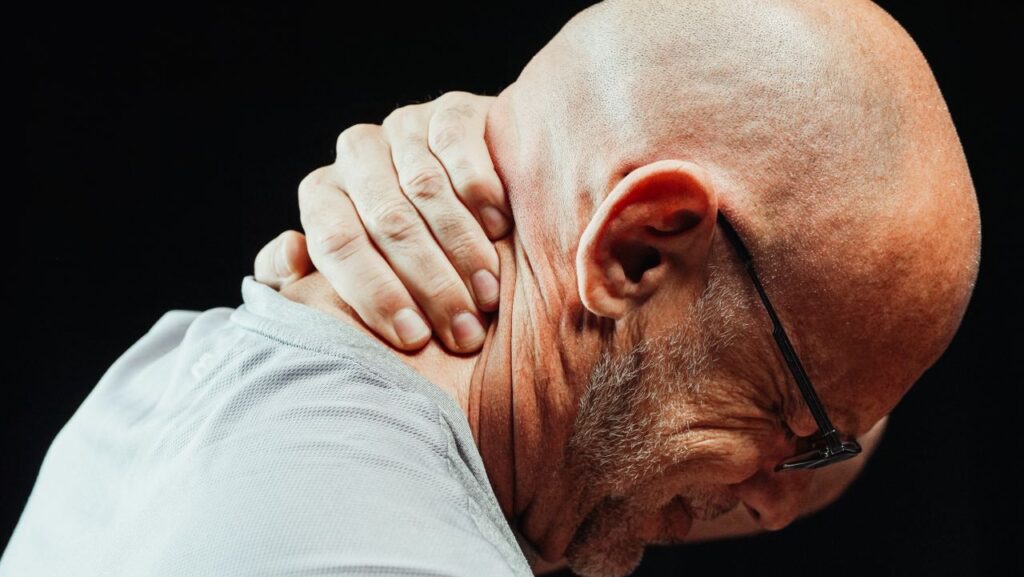
For tens of millions of people, brewing a hot cup of coffee is the non-negotiable first step of every morning, providing a reliable spark of mental clarity and metabolic momentum. While coffee is packed with polyphenols and anti-inflammatory compounds that benefit heart health and brain longevity, sports dietitians and bone health researchers warn that drinking heavy amounts of caffeine on an empty stomach or alongside low-calcium diets can quietly accelerate bone mineral loss over time. Caffeine acts as a mild diuretic that increases the urinary excretion of essential minerals like calcium and magnesium, while simultaneously reducing the amount of calcium your gut absorbs from breakfast foods. Understanding how your daily brew interacts with bone remodelling allows you to keep enjoying your morning coffee without compromising long-term skeletal density.
The Biology of Coffee, Calcium, and Bone Turnover
To understand why longevity experts pay close attention to coffee consumption, you have to look at how human bones constantly rebuild themselves throughout adult life. Skeleton health relies on a delicate balance between osteoclasts (cells that break down old bone tissue) and osteoblasts (cells that build new bone matrix).
When caffeine enters your bloodstream, it temporarily inhibits adenosine receptors, which helps wake up your brain.
However, in your kidneys and digestive system, caffeine alters mineral balance by slightly reducing the renal reabsorption of calcium.
For every 150 milligrams of caffeine you consume—roughly the amount in one large, strong cup of drip coffee—your body excretes approximately 2 to 3 milligrams of extra calcium in your urine.
Furthermore, compounds in coffee called tannins and phytates bind to dietary minerals inside your digestive tract, preventing a portion of calcium and magnesium from entering your bloodstream.
“Coffee isn’t inherently bad for your bones, but when high caffeine intake meets a low-calcium diet, your body pulls calcium directly out of your skeletal reserves to keep blood levels steady.”
At a Glance: Coffee Habit vs. Bone Impact
Comparing common coffee brewing habits reveals how minor adjustments to your morning routine can completely neutralize mineral loss.
| Coffee Habit or Type | Average Caffeine Content | Calcium Excretion Impact | Recommended Skeletal Fix |
| Black Drip Coffee (12 oz) | 150–200 mg | Low to Moderate (2–4 mg calcium lost) | Add 1–2 tablespoons of milk or fortified plant milk |
| Double Espresso Shot | 120–150 mg | Low (1–3 mg calcium lost) | Consume alongside a calcium-rich breakfast |
| Cold Brew (16 oz) | 200–300+ mg | Moderate to High (4–6 mg calcium lost) | Pair with Vitamin D3 and cap intake at one serving daily |
| Decaf Coffee (8 oz) | 2–5 mg | Negligible (Zero mineral disruption) | Ideal option for late-afternoon coffee lovers |
Why Bone Density Is a Critical Longevity Marker
Many people view bone health as an issue that only matters in late retirement, but skeletal mineral density actually peaks in your late twenties and slowly declines afterward.
Maintaining strong, dense bones is a cornerstone of functional longevity because skeletal strength directly dictates your physical mobility, posture, and resistance to traumatic fractures as you age.
Major clinical studies show that hip and spine fractures are among the primary threats to independence and long-term lifespan in older adults.
When your body runs low on circulating calcium, parathyroid hormone (PTH) signals your osteoclasts to dissolve small amounts of bone matrix to maintain blood calcium levels.
Drinking multiple cups of black, highly caffeinated coffee every day without consuming enough dietary calcium creates a chronic, low-grade mineral deficit that gradually weakens bone architecture over several decades.
4 Easy Hacks to Enjoy Coffee While Protecting Your Bones
You do not need to give up your beloved morning coffee to maintain strong bones. Implementing these simple, expert-backed tweaks preserves your skeletal health completely:
1. Add a Splash of Real or Fortified Milk
Adding just two tablespoons of dairy milk, almond milk fortified with calcium, or oat milk to your coffee delivers 50 to 100 milligrams of elemental calcium.
This simple addition easily offsets the 2 to 4 milligrams of calcium lost through caffeine-induced urinary excretion, keeping your net mineral balance firmly in the positive zone.
2. Time Your Supplements Away From Your Brew
If you take a daily calcium, magnesium, or multivitamin supplement, avoid swallowing it with your morning coffee.
The polyphenols and caffeine in coffee reduce mineral absorption inside your stomach.
Wait at least 30 to 60 minutes after finishing your last cup of coffee before taking your morning supplements.
3. Pair Coffee With a High-Protein, High-Calcium Breakfast
Drinking coffee on an empty stomach speeds up gastric emptying and elevates stress hormones like cortisol in sensitive individuals.
Pairing your morning brew with Greek yogurt, chia pudding, eggs, or calcium-set tofu provides steady amino acids and minerals that support bone collagen production.
4. Keep Your Daily Caffeine Intake Under 400 Milligrams
Extensive research from the National Institutes of Health confirms that moderate caffeine consumption—up to 400 milligrams daily, or roughly three standard cups of brewed coffee—has zero negative impact on bone density in adults who consume adequate daily calcium (1,000 to 1,200 mg per day).
Problems only arise when high caffeine intake combines with chronic nutritional deficits.
2 Common Coffee Mistakes That Accelerate Mineral Loss
Avoiding these two frequent morning traps ensures your daily coffee habit supports overall wellness without draining your mineral stores:
Mistake 1: Relying on Ultra-Concentrated Energy Shots
Swapping traditional brewed coffee for synthetic energy shots or highly concentrated cold brews can flood your system with 300 to 400 milligrams of pure caffeine in seconds. This sudden spike triggers rapid fluid turnover and higher mineral excretion rates compared to sipping a warm cup of coffee slowly.
Mistake 2: Ignoring Vitamin D3 Levels
Calcium cannot enter your bone matrix effectively without adequate Vitamin D3. Even if you eat plenty of calcium-rich foods, having low Vitamin D levels prevents your intestines from absorbing that calcium, worsening the minor excretory effect caused by daily caffeine consumption.
Related Articles
- Gynecologists Say These 9 Simple Habits Keep Your Ovaries Young and Healthy for Decades
- The 30-Second Biological Age Test That Predicts How Long You’ll Live—Most People Over 40 Fail It
- Taking Blood Sugar Medication? These 6 Supplements Could Be Canceling Out Your Dose Without You Knowing
- Scientists Just Discovered a Tea + Vitamin Pair That Rejuvenates Aging Brain Cells—Here’s What You Need to Know
- Before You Buy Another Supplement, Read This—5 Must-Know Facts That Could Save Your Health