FREE SHIPPING OVER $50

6 Signs Your Gut Is in Trouble That Have Nothing to Do With Digestion—And Most People Ignore #4


You might assume your gastrointestinal tract is completely healthy simply because you do not suffer from daily stomach aches, gas, or severe bloating, but your gut microbiome actually acts as a central control tower for your entire body. When the delicate ecosystem of trillions of bacteria inside your digestive system falls out of balance—a condition known as gut dysbiosis—it frequently manifests through surprising physical and mental symptoms far away from your stomach. Recognizing these non-digestive warning signals early allows you to address systemic inflammation at its root source and repair your metabolic health before minor issues turn into long-term wellness struggles.
The Secret Connection Between Your Gut and Systemic Health
Your gut lining forms a specialized barrier that spans roughly 4,000 square feet of surface area, acting as a selective gatekeeper between the food you ingest and your bloodstream. When beneficial gut bacteria thrive, they produce short-chain fatty acids like butyrate, which keep this intestinal barrier tight, resilient, and leak-free.
However, factors such as poor diet, chronic stress, frequent antibiotics, and alcohol can break down the tight junctions between your intestinal cells. When this protective barrier weakens—a process often referred to as leaky gut syndrome—undigested food particles, toxins, and lipopolysaccharides leak directly into your circulation.
Your immune system instantly identifies these escaping particles as foreign invaders and launches a continuous inflammatory response throughout your body. Consequently, symptoms pop up in your skin, brain, joints, and energy levels long before you experience a single stomach ache.
“Over 70% of your body’s immune system resides directly inside your gut lining. When your intestinal barrier breaks down, systemic inflammation spreads to distant organs and tissues.”
Non-Digestive Gut Symptoms at a Glance
Comparing these non-digestive red flags reveals how deeply your intestinal ecosystem impacts your overall daily performance.
| Symptom Category | Physical Manifestation | Root Biological Cause |
| 1. Brain Fog & Fatigue | Slow mental processing, afternoon crashes | Neuroinflammation via the gut-brain axis |
| 2. Persistent Skin Flare-ups | Acne, eczema, rosacea, redness | Systemic inflammation leaking through the gut-skin axis |
| 3. Unexplained Joint Stiffness | Aching fingers, knees, and morning tightness | Circulating endotoxins triggering immune responses in joints |
| 4. Sudden Food Sensitivities | Reacting to foods you previously tolerated | Intestinal hyperpermeability leaking undigested proteins |
| 5. Stubborn Mood Changes | Unprovoked anxiety, low mood, irritability | Disrupted gut production of serotonin and GABA |
| 6. Intense Sugar Cravings | Constant urge for sweets and refined carbs | Pathogenic yeast and bad bacteria hijacking appetite signals |
6 Signs Your Gut Is in Trouble (Outside Your Stomach)
1. Chronic Brain Fog and Persistent Fatigue
If you constantly battle mental sluggishness, struggle to focus on simple tasks, or feel exhausted despite getting eight hours of sleep, your gut microbiome may be calling for help. Your gut and brain communicate continuously through a bi-directional neural pathway known as the gut-brain axis, connected directly by the vagus nerve.
When bad bacteria overpower beneficial strains in your gut, they release inflammatory cytokines that travel through your bloodstream and cross the blood-brain barrier.
This low-grade neuroinflammation slows down neural communication, leading to persistent brain fog. Furthermore, an unhealthy gut struggles to absorb essential B vitamins, iron, and magnesium, starving your cells of the raw materials needed to produce steady daily energy.
2. Persistent Skin Flare-ups (Acne, Rosacea, and Eczema)
Your skin frequently acts as an external mirror reflecting internal gut health. Medical researchers refer to the communication channel between your digestive tract and dermal tissue as the gut-skin axis.
When intestinal hyperpermeability allows toxins to leak into your bloodstream, your immune system attempts to flush those irritants out through secondary elimination channels, including your skin.
This systemic inflammatory wave disrupts your skin barrier, alters sebum production, and exacerbates conditions like cystic acne, eczema flare-ups, psoriasis, and rosacea. Applying expensive topical creams or acne serums only treats the surface symptom while ignoring the inflammatory fire burning inside your digestive tract.
3. Mysterious Joint Pain and Stiffness
Waking up with stiff, aching joints in your fingers, knees, or hips is often blamed on aging or strenuous workouts, but the true culprit may lie inside your intestines.
When your gut lining is compromised, bacterial toxins called lipopolysaccharides enter your bloodstream and circulate throughout your body. These endotoxins frequently settle into joint capsules and cartilage, where they trigger local inflammatory reactions.
Your immune system responds by attacking these areas, causing swelling, stiffness, and discomfort that mimics early arthritis. Healing your gut barrier reduces circulating endotoxins and calms joint inflammation naturally.
4. Sudden Food Sensitivities (The #1 Ignored Sign)
Perhaps the most frequently ignored warning sign of a compromised gut is developing sudden sensitivities to foods you used to eat without any issues. Many people assume that developing bloating, headache, or skin flushing after eating dairy, gluten, or eggs is a permanent food allergy. In reality, it is often a classic sign of leaky gut syndrome.
When your intestinal barrier is intact, food proteins are broken down completely into harmless amino acids before absorption.
However, when tight junctions break open, larger undigested food proteins slip into your bloodstream. Your immune system misidentifies these whole proteins as dangerous pathogens and creates antibodies against them.
As a result, every time you eat that specific food, your immune system launches an inflammatory attack. Repairing your gut lining often seals these gaps, allowing you to tolerate your favorite foods again without adverse reactions.
5. Unprovoked Mood Swings, Anxiety, and Low Mood
If you feel unusually anxious, irritable, or down for no clear reason, your gut chemistry might be severely unbalanced. While most people think mood hormones are produced exclusively in the brain, the human gut actually produces roughly 90 percent of the body’s serotonin—the neurotransmitter responsible for regulating mood, sleep, and happiness.
Additionally, beneficial gut microbes synthesize gamma-aminobutyric acid (GABA), an essential neurotransmitter that calms your nervous system and keeps anxiety in check.
When dysbiosis wipes out beneficial bacterial colonies, your natural serotonin and GABA production plummets. This biological shortfall leads to unpredictable mood shifts, heighten stress responses, and poor sleep quality.
6. Relentless Sugar Cravings
Do you feel an intense, almost uncontrollable urge to eat sugary snacks or refined carbohydrates late at night? These cravings may not stem from a lack of willpower; rather, they are often driven by opportunistic microbes inside your gut.
Pathogenic bacteria and yeast strains, such as Candida albicans, feed exclusively on simple sugars and refined carbohydrates to survive and multiply.
When these harmful organisms overgrow, they synthesize signaling molecules that alter your appetite hormones and communicate directly with your brain via the vagus nerve.
By manipulating your neural reward pathways, these microbes effectively force you to crave the exact sugary foods they need to thrive. Balancing your microbiome starves out these bad microbes and naturally eliminates intense sugar cravings.
Simple Daily Habits to Restore Your Gut Health
Reversing gut dysbiosis and sealing a permeable intestinal lining requires a consistent, proactive approach to daily nutrition and lifestyle:
- Diversify Your Fiber Intake: Eat a wide variety of plant foods each week—including vegetables, berries, nuts, seeds, and legumes—to feed diverse, beneficial bacterial strains.
- Incorporate Fermented Foods: Add small daily servings of naturally fermented foods like plain kefir, unsweetened yogurt, sauerkraut, and kimchi to seed your gut with live probiotics.
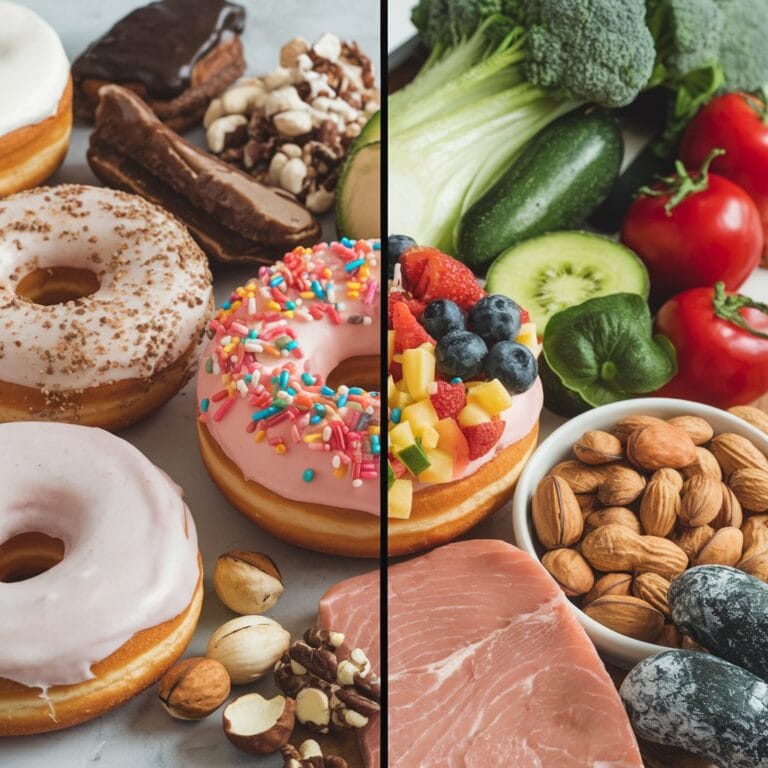
- Eliminate Inflammatory Triggers: Reduce your intake of ultra-processed foods, refined sugars, artificial sweeteners, and alcohol, all of which strip away protective mucosal linings.
- Manage Chronic Stress: Practice daily stress-management techniques like deep breathing, meditation, or walking in nature, as elevated cortisol directly damages tight junction proteins in your gut.
Related Articles
- Cranberries’ Secret Weapon Isn’t Vitamin C—It’s This Red Pigment That Transforms Gut Health
- You’re Eating Sweet Potatoes Wrong—This One Simple Trick Unlocks 3x More Vitamin A, According to Dietitians
- If the Power Goes Out Tomorrow, You’ll Wish You’d Stocked These 25 Foods That Last 25+ Years
- The #1 Bone-Destroying Food in Your Pantry Is Undoing Every Calcium Supplement You Take (Cut It for 90 Days)
- Dentists Reveal the 10 Worst Foods and Drinks Silently Destroying Your Tooth Enamel Right Now (You Probably Eat #3 Daily)