FREE SHIPPING OVER $50

These 15 Foods Are Secretly Scarring Your Liver—Hepatologists Say Cut Them Before It’s Too Late

Most people associate liver damage almost exclusively with heavy drinking, but top medical experts warn that everyday dietary choices cause quiet destruction in millions of kitchens every single day. Non-alcoholic fatty liver disease (NAFLD) now affects nearly one in three adults, often progressing silently from mild inflammation to permanent scarring known as cirrhosis without causing a single obvious symptom until serious damage occurs. When you routinely consume high-sugar, ultra-processed, or trans-fat-laden foods, your liver works overtime to process the incoming toxins, eventually storing excess fat in its cells and triggering a cascade of inflammatory tissue scarring.
Understanding How Daily Foods Cause Liver Scarring
Your liver acts as your body’s primary filtration plant, responsible for processing nutrients, neutralizing metabolic waste, and managing energy storage. However, when your diet floods your bloodstream with excess refined carbohydrates, artificial sweeteners, and unhealthy fats, your liver cannot convert those calories into usable energy quickly enough.
Instead, it converts those extra calories into triglycerides through a process called de novo lipogenesis. Over time, fat droplets build up inside healthy liver cells. As fat accumulates, your immune system responds with chronic inflammation, which creates fibrous scar tissue that restricts blood flow and impairs organ function.
The 15 Foods Hepatologists Want You to Avoid
1. Sugary Sodas and Soft Drinks
Liquid sugar represents one of the single biggest threats to long-term liver health. Standard sodas contain high amounts of high-fructose corn syrup, a sweetener that only your liver can break down. When you gulp down liquid sugar, your liver receives a massive dose of fructose all at once, forcing it to immediately turn that sugar into body fat.
2. Commercial Fruit Juices
Even though store-bought fruit juices carry a healthy reputation, they lack the natural dietary fiber found in whole fruit. Without fiber to slow down digestion, drinking a glass of processed orange or apple juice spikes your blood sugar and floods your liver with concentrated fructose just as quickly as a bottle of cola.
3. White Bread and Refined Flour
Refined white flour products quickly break down into simple glucose during digestion. Eating white bread, bagels, or standard pasta triggers rapid insulin spikes, encouraging your body to store excess energy as fat right around your abdominal organs and liver.
4. High-Sodium Canned Soups
While sodium does not directly create liver fat, excess salt disrupts your body’s fluid balance and promotes systemic inflammation. Hepatologists warn that high-sodium diets increase fluid retention and strain the portal vein system that carries blood directly to your liver.
5. Deep-Fried Fast Foods
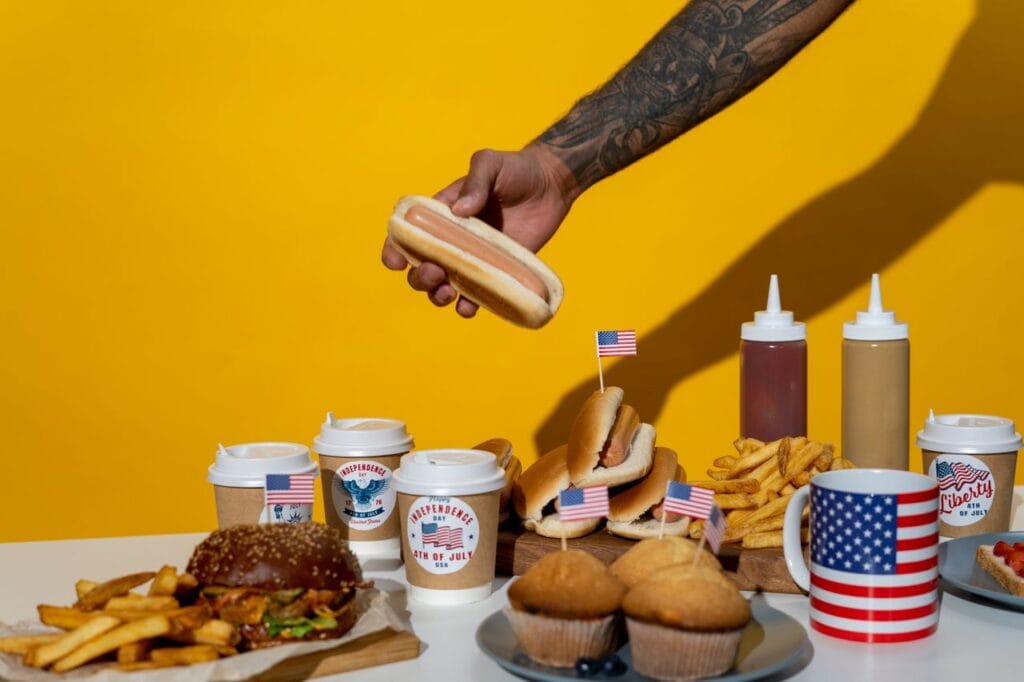
French fries, fried chicken, and onion rings are cooked in oils subjected to extremely high heat, creating industrial trans fats and advanced glycation end products (AGEs). These compounds trigger severe oxidative stress, damaging liver cell membranes and accelerating tissue scarring.
6. Processed Deli Meats and Bacon
Cold cuts, hot dogs, and bacon carry heavy amounts of saturated fats, sodium, and chemical nitrates. Regular consumption of processed meats elevates inflammation levels across your entire digestive system and correlates directly with higher rates of liver fat accumulation.
7. Agave Nectar and Concentrated Sweeteners
Many consumers view agave nectar as a natural alternative to refined sugar, but agave actually contains up to 90% free fructose—higher than high-fructose corn syrup. Because fructose skips normal metabolic checkpoints, your liver converts it straight into fat droplets.
8. Flavored Low-Fat Yogurts
Food manufacturers often strip fat out of yogurt and replace it with massive amounts of added sugar to preserve taste. A single cup of flavored fruit yogurt can contain over 20 grams of sugar, secretly turning a presumed health breakfast into a major liver stressor.
9. Heavy Alcohol and Binge Drinks
While non-alcoholic foods drive metabolic fat buildup, alcohol remains a direct toxic agent to liver cells. When your liver metabolizes ethanol, it produces acetaldehyde—a toxic byproduct that directly breaks down cellular DNA, causing rapid cellular death and heavy fibrous scarring.
10. Commercial Bakery Items and Doughnuts
Packaged pastries, cookies, and doughnuts combine the deadly liver triad: refined sugar, refined white flour, and toxic trans fats or re-heated palm oils. This potent metabolic combination causes immediate fat storage while accelerating cellular inflammation.
11. Processed Cheese Spreads
Commercial cheese slices and jarred dips rely on emulsifiers, saturated fats, and high sodium levels to maintain shelf stability. Eating these processed dairy products frequently elevates circulating saturated fatty acids, clogging hepatic metabolic pathways.
12. Ultra-Processed Frozen Meals
Pre-packaged microwave dinners often rely on heavy salt, hidden sugars, and hydrogenated oils to extend shelf life and enhance flavor. Consuming ultra-processed meals regularly deprives your liver of protective antioxidants while forcing it to process metabolic additives.
13. Bottled Salad Dressings and Sauces
Store-bought dressings, barbecue sauces, and ketchups are frequently loaded with high-fructose corn syrup and cheap soybean oil. Drenching a healthy bowl of greens in commercial dressing can turn a nutritious meal into a liver-fat-promoting nightmare.
14. Energy Drinks
Energy drinks pack a double punch of concentrated sugars and artificial additives. Gulping down energy drinks subjects your liver to intense metabolic spikes while forcing hepatic enzymes to continuously process synthetic chemical stimulants.
15. Refined Margarine and Hydrogenated Oils
Margarine sticks and solid vegetable shortenings contain partially hydrogenated oils. Trans fats alter hepatic lipid metabolism, reducing “good” HDL cholesterol while encouraging harmful fat storage inside your liver tissue.
Hidden Liver Hazards at a Glance
| Food Category | Harmful Component | Primary Liver Risk | Healthier Alternative |
| Sugary Beverages | High-Fructose Corn Syrup | Rapid fat accumulation (lipogenesis) | Sparkling water with fresh lemon |
| Refined Grains | Simple Carbohydrates | Insulin spikes & metabolic strain | Whole oats, quinoa, or brown rice |
| Processed Meats | Nitrates & Saturated Fat | Chronic hepatic inflammation | Fresh wild-caught fish or poultry |
| Fried Foods | Industrial Trans Fats | Cell membrane damage & scarring | Air-fried or baked options |
| Commercial Dressings | Hidden Sugars & Seed Oils | Fat buildup & oxidative stress | Extra virgin olive oil & vinegar |
Simple Foods That Support Liver Recovery
Fortunately, your liver possesses a unique ability to regenerate and repair damaged tissue once you eliminate metabolic stressors. By removing inflammatory foods and replacing them with nutrient-dense options, you can actively reduce fat storage and support natural healing pathways.
Adding protective choices to your daily routine gives your liver the essential tools it needs to recover:
- Coffee: Contains natural polyphenols that lower liver enzyme levels and protect against scarring.
- Cruciferous Vegetables: Broccoli, Brussels sprouts, and kale boost natural detoxification enzymes.
- Fatty Fish: Salmon and sardines deliver omega-3 fatty acids that actively lower liver fat levels.
- Garlic: Contains sulfur compounds that activate liver enzymes responsible for flushing out toxins.
- Green Tea: Packed with EGCG antioxidants that help reduce fat storage in hepatic cells.
- Walnuts: Rich in arginine and omega-3s, helping your liver clear ammonia and reduce inflammation.
Related Articles
- This Underrated Breakfast Ingredient Has More Protein Than a Eggs—And It Takes 30 Seconds to Add
- These 20 High-Protein Foods Are Basically Muscle in Edible Form
- Stop Guessing: This Is Exactly How Much Protein You Need to Lose Weight
- 10 Metabolism Hacks a Doctor Swears By—#3 Will Have You Dropping Pounds Without Even Trying
- Why Working Out at This Odd Hour Could Torch Twice the Fat