FREE SHIPPING OVER $50
Dentists Reveal the 10 Worst Foods and Drinks Silently Destroying Your Tooth Enamel Right Now (You Probably Eat #3 Daily)

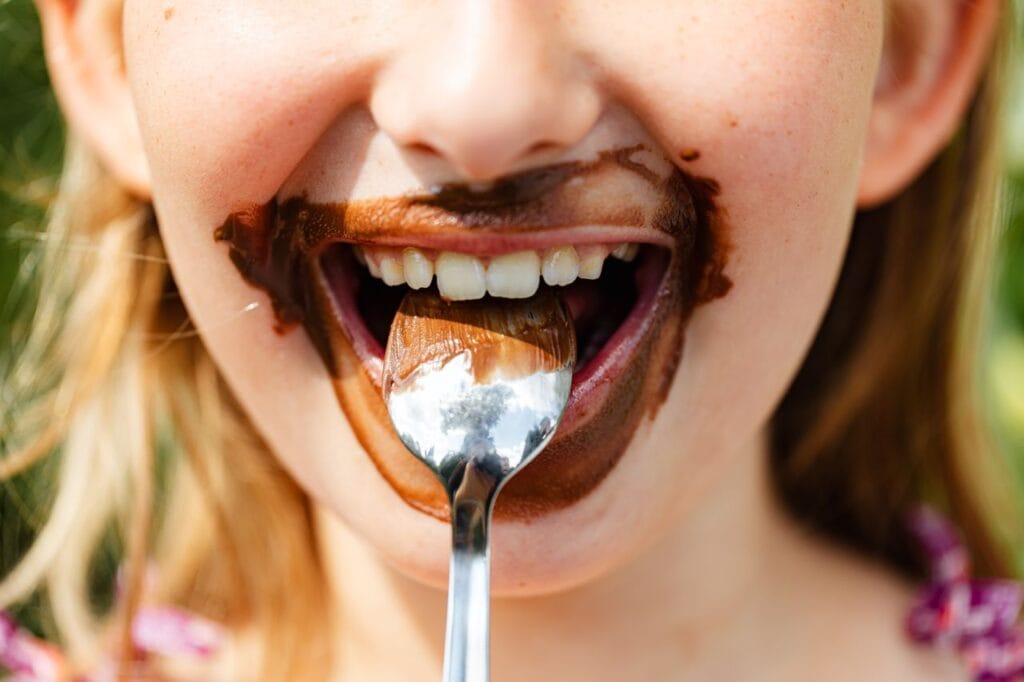
Tooth enamel ranks as the hardest substance in the human body, even outranking biological bone in density and mineral strength. Composed primarily of a tightly packed mineral crystal called hydroxyapatite, enamel creates an impenetrable outer shell that shields the sensitive inner dentin and nerve endings of your teeth. However, despite its impressive physical strength, enamel possesses one major biological vulnerability: acid.
When the environment inside your mouth drops below a critical pH threshold of 5.5, hydroxyapatite crystals begin to dissolve in a chemical process known as demineralization. While saliva naturally works to neutralize acids and redeposit minerals like calcium and phosphate back into your teeth, consuming acidic foods continuously throughout the day overwhelms this natural defense mechanism.
Over time, acid erosion thins the enamel layer permanently. Unlike skin, bone, or fingernails, enamel contains no living cells, which means your body cannot regenerate lost enamel. Once it dissolves, the yellow dentin underneath becomes exposed, leading to sharp temperature sensitivity, visible discoloration, and heightened susceptibility to deep cavities.
The 10 Worst Foods and Drinks Destroying Your Enamel
1. Hard and Chewy Sugary Candies
Hard candies like jawbreakers and sticky treats like gummies represent a double threat to dental health. When you suck on a hard candy, it takes several minutes to dissolve, bathing your teeth in pure sugar for an extended period. Meanwhile, sticky candies wedge themselves into the deep grooves of your molars, trapping fermentable sugars directly against the enamel surface. Oral bacteria like Streptococcus mutans devour these sugars and excrete lactic acid, accelerating enamel breakdown for up to twenty minutes after your last bite.
2. Fresh Citrus Fruits and Pure Lemon Shots
Grapefruits, lemons, limes, and oranges pack an impressive dose of Vitamin C, but their acidity levels pose a major hazard to dental tissue. Pure lemon juice registers a harsh pH of roughly 2.0 to 2.5, placing it nearly on par with battery acid on the chemical scale. Direct contact with concentrated citric acid softens the enamel surface almost instantly, making your teeth exceptionally vulnerable to physical wear.
3. Flavored Sparkling Water and Seltzers (The Daily Trap)
Many health-conscious individuals swap sugary sodas for flavored seltzers, believing sparkling water is entirely harmless to teeth. However, carbonation requires dissolving carbon dioxide gas into liquid, which creates carbonic acid. Furthermore, food manufacturers routinely add citric acid or natural fruit flavorings to enhance taste. As a result, many popular canned seltzers carry a surprisingly low pH level between 3.0 and 4.0. Drinking flavored sparkling water continuously at your desk keeps your mouth in a constant acidic state, quietly softening enamel hour after hour.
4. Potato Chips and Processed Crackers
You might expect sweets to top the list of dental enemies, but refined starches like potato chips, pretzels, and saltine crackers often inflict equal damage. When you chew starchy snacks, your salivary amylase enzymes rapidly break those complex carbohydrates down into simple sugars. Worse yet, chewed chips form a paste that lodges firmly between your teeth and along your gumline. Because these hidden food particles stay trapped for hours, bacteria enjoy an uninterrupted feast that generates steady acid production.
5. Soda and Commercial Energy Drinks
It comes as no surprise that soft drinks harm teeth, but the mechanism goes far deeper than basic sugar content. Diet sodas contain zero sugar yet remain intensely destructive because manufacturers rely heavily on phosphoric acid and citric acid for tangy flavor preservation. Energy drinks and commercial sports beverages often prove even more aggressive, combining high acidity with sticky corn syrups that adhere to enamel throughout intense workouts.
6. Coffee and Dark Teas
Morning coffee remains a non-negotiable ritual for millions, but roasted coffee beans naturally contain organic acids along with dark pigments called tannins. The acidity weakens the outer enamel matrix, allowing dark tannins to penetrate deeper into the porous surface layers. Consequently, drinking hot acidic coffee throughout the morning slowly thins your enamel while simultaneously dulling your smile’s natural white shade.
7. Dried Fruits (Raisins, Dates, and Figs)
Fresh fruit contains natural water that helps wash away sugars during chewing. Dried fruit, on the other hand, loses its moisture content, leaving behind a highly concentrated, intensely sticky paste. Dates, raisins, and dried cranberries cling to enamel like caramel, creating prolonged contact between natural fructose and oral bacteria in hard-to-reach crevices.
8. Red and White Wine
While wine lovers frequently worry about red wine staining their teeth, white wine actually causes greater structural enamel loss. Both red and white wines contain high concentrations of tartaric and malic acids, maintaining a low pH between 3.0 and 3.8. White wine dissolves enamel minerals rapidly, creating microscopic rough spots on the tooth surface that allow future food pigments to cling even faster.
9. Pickled Foods and Vinegar-Based Dressings
Pickling foods requires submerging vegetables in acetic acid brine to prevent bacterial spoilage. While fermented pickled foods benefit gut health, the high concentration of acetic acid aggressively strips minerals from tooth enamel. Eating pickles regularly or drenching salads in heavy balsamic vinaigrettes creates an acidic oral environment that demands immediate water neutralization.
10. Ice Cubes (Mechanical Fracturing)
Unlike the chemical erosion caused by acids, chewing on leftover ice cubes inflicts severe mechanical trauma on your teeth. Enamel features a rigid, crystalline structure that does not absorb shock well. Biting down on hard, frozen ice creates microscopic stress fractures across the enamel surface. Over time, these micro-cracks expand, eventually causing large enamel flakes to chip off or exposing the underlying nerve tissue.
The pH Danger Zone: Comparing Common Foods and Beverages
To keep your teeth safe, it helps to understand where your favorite foods and drinks sit on the pH scale. Any item falling below the critical 5.5 pH mark initiates active enamel demineralization.
| Food or Beverage Category | Average pH Level | Primary Acid Source | Dental Threat Level |
| Pure Water | 7.0 (Neutral) | None | Zero Risk (Safe) |
| Plain Black Coffee | 4.8 to 5.2 | Chlorogenic Acid | Moderate Risk |
| Flavored Sparkling Water | 3.0 to 4.0 | Carbonic & Citric Acid | High Risk |
| White and Red Wine | 3.0 to 3.8 | Tartaric & Malic Acid | High Risk |
| Standard Soda / Energy Drinks | 2.4 to 3.2 | Phosphoric Acid | Severe Risk |
| Lemon Juice / Fresh Citrus | 2.0 to 2.5 | Citric Acid | Extreme Risk |
How to Protect Your Enamel Without Quitting Your Favorite Foods
Completely eliminating every acidic or starchy food from your diet is neither practical nor necessary. Instead, adopting smart oral hygiene habits allows you to enjoy your favorite treats while safeguarding your enamel against permanent structural decay.
- Use a Straw for Acidic Beverages: Drinking iced coffee, seltzers, and fruit juices through a straw directs acidic liquids past your front teeth, minimizing direct contact with enamel surfaces.
- Never Brush Immediately After Eating: Brushing your teeth right after consuming acidic foods scrubs away temporarily softened enamel. Wait at least thirty minutes for your saliva to re-mineralize your teeth before brushing.
- Rinse Thoroughly with Plain Water: Swishing plain tap water around your mouth immediately after eating or drinking helps neutralize acids and washes away loose food particles.
- Chew Sugar-Free Xylitol Gum: Chewing gum stimulates rapid saliva production. Saliva delivers natural calcium and phosphate ions directly back to your teeth while neutralizing harmful acids.
- Switch to a Fluoride or Nano-Hydroxyapatite Toothpaste: Modern toothpastes containing active fluoride or nano-hydroxyapatite actively reinforce weak spots in your enamel, building superior resistance against future acid exposure.
Related Articles
- Doctors Are Shocked: This Cheap, High‑Protein Snack Lowers Cholesterol Better Than Oatmeal
- The Unexpected Ingredient I Added to My Eggs That Boosted My Protein Intake
- How to Get 100 Grams of Protein a Day Without Feeling Like a Gym Rat
- 10 Signs Your Body Needs More Protein
- Eat These 5 High Protein Foods for a Jacked V-Shaped Torso