FREE SHIPPING OVER $50

The #1 Fear That Ages Seniors Faster Than Time—and the 5-Minute Daily Fix That Ends It

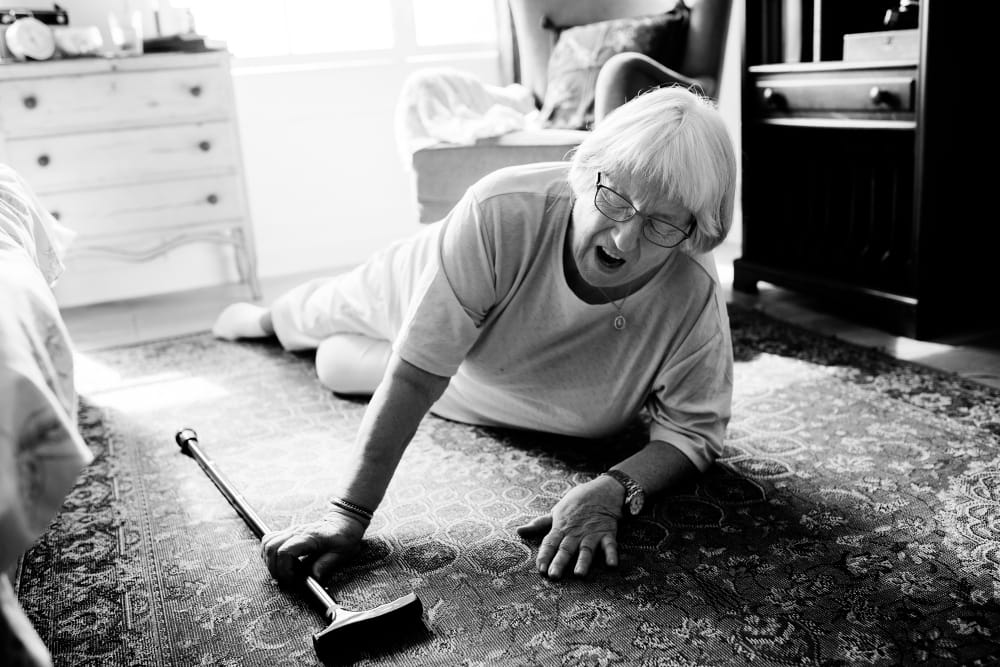
Imagine a completely invisible psychological force that has the power to shrink your daily life, melt away your lean muscle tissue, and actively accelerate your biological aging process faster than any genetic factor ever could. While the longevity community spends massive amounts of time obsessing over anti-aging diets and cellular supplements, they routinely overlook the single most destructive psychological trigger in older adults: the deep-seated fear of falling. This silent, paralyzing anxiety does not just sit quietly in the back of your mind; instead, it fundamentally alters how you move, wrecks your natural balance mechanics, and locks you into a dangerous cycle of physical decline. Fortunately, you can completely shatter this mental roadblock and win back your physical freedom without stepping foot inside a medical clinic.
The Hesitation Trap: How Fear Alters Your Gait
To understand why this specific anxiety is so incredibly destructive, you have to look at the immediate physical changes that occur the moment your brain becomes overly worried about tripping. Balance is supposed to be a completely fluid, automated background process managed by your nervous system.
When you allow a fear of falling to dominate your thoughts, your brain overrides this automated software and forces you to consciously control every single step you take.
Neuroscientists refer to this profound behavioral shift as the Hesitation Trap. Instead of moving with a natural, rhythmic stride, an anxious individual begins to execute a highly stiff, cautious, and unnatural walking pattern.
| Gait Characteristic | Natural Automated Stride | Anxious Hesitant Stride |
| Step Length | Long, fluid, and energy-efficient. | Short, choppy, and mechanically exhausting. |
| Foot Clearance | High enough to clear everyday hazards cleanly. | Low and shuffling, which increases trip risks. |
| Muscle Tension | Relaxed, with natural joint shock absorption. | Co-contracted and rigid, which locks the hips. |
| Gaze Direction | Forward-looking to map out future obstacles. | Fixed downward at the feet, blind to upcoming hazards. |
This rigid, shuffling gait is incredibly ironic because it actually makes a sudden slip far more likely to happen. When you lock your knee and hip joints out of fear, your body loses its natural ability to absorb minor bumps or micro-swings in the terrain.
Because your feet are barely clearing the carpet, a loose rug or minor threshold becomes a major hazard. Your self-protective anxiety essentially creates the exact catastrophe you are desperately trying to avoid.
The Rapid Biological Toll of a Shrunken World
The damage of this hidden anxiety extends far beyond a awkward walking pattern. When an older adult becomes intensely worried about slipping, they naturally begin to restrict their everyday activities to avoid any perceived danger.
They stop visiting local parks, skip neighborhood social gatherings, avoid taking stairs, and spend the vast majority of their time sitting safely inside their homes. This self-imposed physical isolation triggers a rapid, cascading decline in overall healthspan.
[Fear of Falling] ──► [Activity Avoidance] ──► [Sarcopenia & Muscle Wasting] ──► [Loss of Autonomy]
When you stop moving through your environment dynamically, your body instantly begins to shed its skeletal muscle mass through a process called disuse sarcopenia. Your leg strength plummets, your stabilizing core muscles wither away, and your joints stiffen up from lack of movement.
Furthermore, this extreme reduction in activity causes your cardiorespiratory fitness to drop significantly, leaving you exhausted by basic everyday tasks like carrying groceries or standing up from a deep sofa. Within just a few months of living in fear, your biological age can jump ahead by an entire decade, robbing you of the physical autonomy you worked so hard to preserve.
Overcoming the Post-Fall Anxiety Loop
This psychological trap becomes exceptionally dangerous right after an individual experiences their first minor slip or near-miss event. Even if the incident resulted in zero physical injuries, the emotional shock wave often causes long-lasting psychological trauma.
- Loss of Spatial Trust: The brain suddenly stops trusting the sensory data coming from the eyes, inner ears, and feet, classifying the surrounding environment as permanently unsafe.
- Hyper-Vigilance Fatigue: The nervous system remains locked in a high-stress “fight or flight” mode during every single movement, flooding the body with cortisol and accelerating mental exhaustion.
- The Social Withdrawal Cycle: To hide their perceived fragility from loved ones, individuals pull back from family events, accelerating cognitive decline through forced social isolation.
Breaking free from this destructive behavioral loop requires a deliberate strategy that targets the nervous system directly. You cannot simply tell yourself to stop being afraid; instead, you must actively show your brain that your body is fully capable of stabilizing itself when things get shaky.
The 5-Minute Daily Neural Fix
To permanently delete this anxiety from your brain’s survival programming, you need to perform specific, low-friction balance drills that challenge and upgrade your body’s internal GPS system. This targeted five-minute sequence uses the principles of neuroplasticity to rebuild your spatial confidence by firing up your core, feet, and inner-ear receptors simultaneously.
- The Corner Balance Warmup (1 Minute): Stand facing outward in the absolute corner of a room, with your heels roughly three inches away from the walls. This position ensures that if you sway too far in any direction, the sturdy walls are right there to catch you instantly, completely removing the fear of hitting the floor. Lift one foot slightly off the carpet and practice standing on a single leg for 30 seconds, then switch sides. Because your brain feels completely safe in the corner, it shuts off the emergency cortisol response and allows your nervous system to focus on building new balance pathways.
- The Dynamic Head Turn (2 Minutes): Stand tall with your feet placed close together, touching side-by-side. Hold your arms out to your sides for stability if needed. While keeping your feet firmly planted on the floor, slowly turn your head all the way to the left, then all the way to the right. Repeat this movement while looking slowly up toward the ceiling and down toward your toes. This simple drill intentionally forces your inner ear’s vestibular canals to process movement while your body is stationary, rapidly upgrading your brain’s ability to keep you upright when your head moves quickly in public.
- The Barefoot Clock Matrix (2 Minutes): Stand barefoot on a hard, even floor next to a kitchen counter for easy hand support. Imagine you are standing directly in the absolute center of a massive clock face, with 12 o’clock straight ahead and 6 o’clock directly behind you. Balance firmly on your left leg, and use your right foot to gently tap the floor at the 12, 3, and 6 o’clock positions. Switch legs and use your left foot to tap the 12, 9, and 6 o’clock markers. This dynamic reaching movement forces your ankle and hip stabilizers to make lightning-fast micro-adjustments, restoring the automated physical confidence required to step over unexpected objects effortlessly.
Reclaiming Your Independent Future
As you perform these simple sensory drills every morning, your nervous system undergoes a profound transformation. Your brain begins to receive crisp, lightning-fast data from your ankle joints and feet, allowing it to execute tiny, automated posture corrections without you ever needing to think about it.
Consequently, your walking pattern naturally shifts back to a long, confident, and fluid stride.
By taking just five minutes out of your morning to invest in your neural architecture, you effectively cut the legs out from under the fear of falling. You will find yourself leaving the house with a renewed sense of security, ready to tackle uneven lawns, crowded store aisles, and busy stairs with total physical ease.
Related Articles
- Science Says Muscle Is a Longevity Organ—Here’s the One Beginner Lift That Activates It Instantly
- We Interviewed 100 Joyful Retirees—These 15 Tiny Daily Rituals Were Their Common Secret to Staying Vibrant
- I Was Diagnosed With Osteoporosis at 52—This Natural 3-Step Protocol Rebuilt My Bone Density in 12 Months
- The Silent Supplement Transforming Gut Health, Muscle Recovery, and Brain Power
- What Daily Protein Powder Is Quietly Doing to Your Gut, Kidneys, and Hormones That Most Labels Never Mention