FREE SHIPPING OVER $50

I’m a 72-Year-Old Trainer and These 5 Exercises Kept My Body 20 Years Younger Than My Peers—Every Longevity Study Agrees

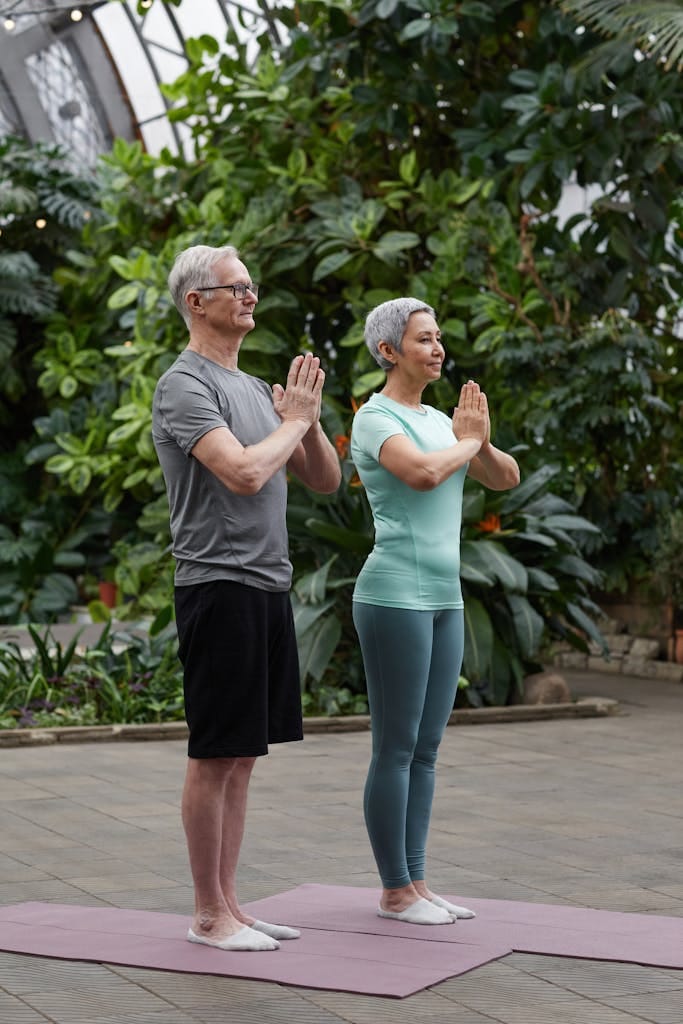
When I look at my high school classmates during reunions, I often feel like I am looking at a completely different generation altogether. While many of my peers struggle to get out of deep armchairs, complain of chronic lower back stiffness, and walk with a hesitant step, I am still spending my mornings loading plates onto a barbell and coaching clients through intense workouts. People constantly ask me what secret supplement or expensive biohacking therapy I use to maintain this level of physical youth, but the honest truth is that my vitality comes entirely down to biomechanical choices. As a 72-year-old fitness coach, I have watched the wellness industry cycle through hundreds of short-lived trends, yet the core principles of human longevity have never changed. To combat the natural decline of aging, you have to look past casual walking and implement a specific five-exercise functional movement framework that forces your muscles, bones, and nervous system to stay decades younger.
The Sarcopenia Trap: Why Casual Walking Isn’t Enough
The most common mistake I see adults make as they cross into their fifties and sixties is reducing their physical activity to gentle, steady-state cardio. While a daily walk is wonderful for your mental health and cardiovascular system, it does absolutely nothing to stop the hidden onset of sarcopenia. Sarcopenia is the age-related loss of muscle mass and functional power, a process that naturally strips away muscle fibers every single decade past age thirty.
When you lose muscle, you don’t just lose the ability to lift heavy objects; you lose your metabolic efficiency and your structural safety net. Without strong muscles to absorb the impact of daily movement, your joints take the full force of gravity, leading to the chronic pain and arthritis that many accept as a normal part of aging. Longevity science clearly demonstrates that the only way to reverse this process is through targeted resistance training that triggers a cellular reset, forcing aging tissues to synthesize new proteins and remain dense.
The Biology of Functional Longevity
To truly understand why these specific exercises keep your frame resilient, we can look at the mechanical markers that doctors use to track biological age.
| Aging Biomarker | Impact of Passive Aging | Impact of the Longevity Framework | The Long-Term Result |
| Grip / Hand Strength | Drops by 1% annually after 40 | Maintained through loaded carrying | High predictor of overall survival |
| Bone Mineral Density | Disappears quickly post-menopause | Rebuilt through mechanical loading | Prevents debilitating hip fractures |
| Type II Muscle Fibers | Shrink rapidly without fast loading | Restored through explosive movement | Preserves balance and prevents falls |
| Joint Synovial Fluid | Dries up from daily sitting | Circulated through deep rotation | Keeps knees and hips moving smoothly |
5 Exercises That Keep Your Body 20 Years Younger
1. The Goblet Squat: Protecting Your Lower Body Power
If you want to maintain your independence for the rest of your life, the squat is an absolute necessity. Think about how many times a day you perform this exact movement: getting up from a low toilet seat, climbing out of a car, or standing up from the sofa. When a person loses the ability to squat comfortably, their independence instantly vanishes.
The Goblet Squat is my favorite variation because holding a weight in front of your chest naturally forces your spine to stay upright and engages your core muscles. This position protects your lower back while placing the workload directly on your quadriceps, glutes, and hamstrings. By sinking your hips down toward the floor and driving back up through your heels twice a week, you build the lower body power required to keep your gait strong and steady.
2. The Farmer’s Carry: The Ultimate Full-Body Insurance Policy
The Farmer’s Carry is arguably the most functional exercise on the planet. To perform it, you simply pick up two heavy weights (like dumbbells) and walk a set distance with perfect, tall posture. This simple movement creates massive tension across your entire body, making it a phenomenal tool for building total-body structural integrity.
First, it builds an iron-clad grip, which is one of the strongest predictors of long-term cognitive health and survival. Second, carrying heavy loads forces your shoulder blades, upper back, and core stabilizers to work in perfect harmony. This muscular coordination acts like a physical brace for your spine, improving your daily posture and instantly reducing the risk of a throwing out your back during normal chores.
3. The Romanian Deadlift (RDL): Fortifying the Posterior Chain
Most people spend their lives bending forward from the spine rather than the hips, a habit that leaves the lower back vulnerable to injury. The Romanian Deadlift teaches your body to hinge correctly at the hip joint. This targets the entire “posterior chain”—the hamstrings, glutes, and lower back muscles that keep you standing tall against the constant pull of gravity.
To execute an RDL, you hold weights at your thighs and slowly slide them down toward your shins by pushing your hips straight back, keeping your spine completely flat. Once you feel a stretch in your hamstrings, you drive your hips forward to stand back up. This exercise strengthens the exact muscle groups responsible for supporting your pelvis and lower back, creating a biological shield that protects your lumbar spine from the wear and tear of daily life.
4. The Incline Push-Up: Maintaining Upper Body Independence
Upper body strength is often overlooked in aging populations, yet it is critical for tasks like lifting suitcases into overhead compartments, pushing open heavy doors, or catching yourself if you stumble. A standard floor push-up can sometimes be too stressful for older wrists and shoulders. This is why I recommend the Incline Push-Up using a sturdy bench or kitchen counter.
By elevating your hands, you reduce the percentage of your body weight you have to push, allowing you to focus on flawless alignment. This movement strengthens your chest, shoulders, and triceps while requiring your abdominal muscles to maintain a rigid plank position. Keeping these upper body pushing patterns strong ensures that your shoulder joints stay lubricated and free from the stiffness that frequently plagues sedentary adults.
5. The Step-Up: The Foundation of Balance and Asymmetry Repair
As we get older, our balance naturally begins to degrade because we rarely challenge our bodies on a single leg. The Step-Up is a brilliant solution because it isolates one leg at a time, forcing the stabilizing muscles around your ankles, knees, and hips to fire rapidly to keep you upright. This exercise replicates the exact mechanics of climbing stairs or stepping over an obstacle on a trail.
Using a low step or box, you place one foot firmly on the surface and drive through that heel to lift your entire body up, focusing on controlling your descent on the way back down. This controlled lowering phase is where the real muscle-building magic happens. By correcting the natural strength imbalances between your left and right legs, you create a symmetrical foundation that drastically reduces your risk of tripping and falling in the real world.
The 3-Step Routine for Lifelong Physical Capital
You do not need to spend hours inside a crowded fitness center to experience the benefits of this longevity framework. The secret to success lies in consistent, gradual progression over time.
- Frequency: Perform these five movements together as a full-body routine two to three times a week, allowing forty-eight hours of rest between sessions for optimal tissue recovery.
- Intensity: Choose a weight that feels genuinely challenging by the final few repetitions. If you can easily complete fifteen repetitions without losing your breath, the weight is too light to trigger bone and muscle growth.
- Form Over Everything: Move slowly and deliberately. Focus on the quality of every movement, ensuring your joints are moving through a pain-free, comfortable range of motion.
Related Articles
- I’m 68, and This One Workout Didn’t Just Transform My Body—It Gave Me the Stamina of a 40-Year-Old
- Defy Your Age: 4 Simple Strength Workouts to Build Muscle & Stay Strong After 50
- 20-Minute Morning SHRED: Torch Fat & Sculpt Muscles (No Gym Needed!)
- Ditch the Crunches! Sculpt Your Core Standing Up (5 Workouts, No Floor Time)
- The Desk Job Antidote: Experts Reveal How Much Exercise Truly Erases A Full Day of Sitting