FREE SHIPPING OVER $50

Train Your Eyes, Sharpen Your Game: How Elite Athletes Use Their Gaze to Slow Down Time

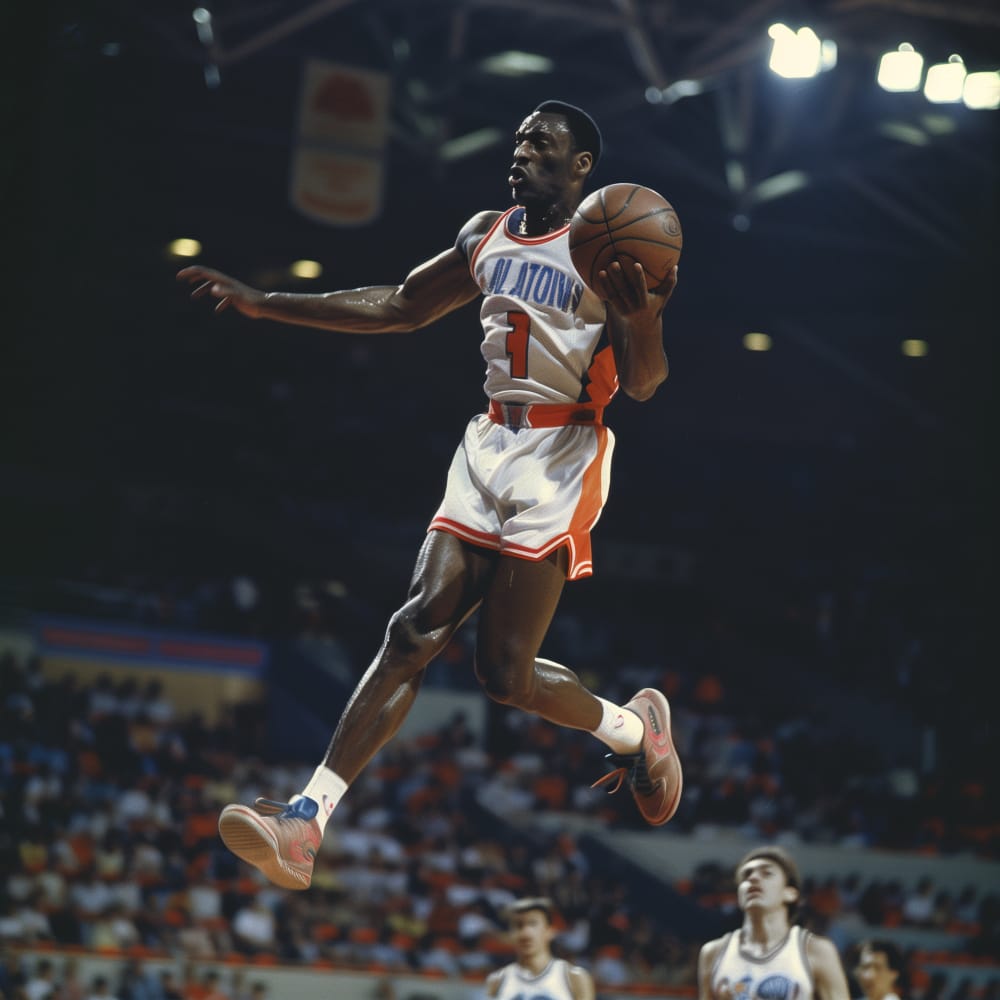
Have you ever wondered why legends like Steph Curry or Tom Brady seem to have more time than everyone else on the field? In the heat of a high-stakes moment, when the average person’s vision becomes a blurred mess of panic, elite performers remain eerily calm. This isn’t just a result of physical conditioning or muscle memory. It is a neurological phenomenon known as the “Quiet Eye.” By training their gaze to lock onto specific targets with laser-like precision, these athletes aren’t just looking—they are literally slowing down their brain’s perception of time. This allows them to process information faster, predict movements before they happen, and execute complex skills with a level of focus that seems almost superhuman.
The good news is that “Quiet Eye” isn’t a genetic gift reserved for the pros. It is a trainable skill that bridges the gap between your vision and your motor cortex. Whether you are trying to sink a free throw, hit a 90-mph fastball, or simply master your own attention span in a world full of digital distractions, your eyes are the remote control for your brain. By understanding the science of foveal vision and implementing specific gaze-training drills, you can upgrade your internal hardware.
The Science of the “Quiet Eye”
The “Quiet Eye” (QE) was first coined by Dr. Joan Vickers, a researcher in kinesiology who noticed a striking difference between expert and novice athletes. During the final moment before a critical action—like a golfer starting their backswing or a shooter pulling the trigger—elite performers exhibit a long, stable gaze on a single target. While novices tend to have “shifty eyes” that jump between multiple points of interest, experts keep their gaze steady.
This period of stability is when the brain does its heavy lifting. It’s during the Quiet Eye period that your brain plans the force, direction, and timing of your movement. By keeping the eyes still, you minimize “visual noise,” which allows the motor cortex to send a cleaner, more accurate signal to your muscles. Essentially, a longer QE duration correlates directly with a higher success rate in any motor task.
Quiet Eye Comparison: Expert vs. Novice
| Feature | Elite Athlete (Expert) | Amateur (Novice) |
| Gaze Duration | Long and sustained (often 1000ms+) | Short and fragmented |
| Focus Point | Specific, high-value target | General area or “scanning” |
| Timing | Occurs immediately before movement | Often happens during movement |
| Mental State | High “Flow State” / Low anxiety | High cognitive load / Panic |
| Success Rate | Significantly higher | Inconsistent |
How Gaze Training “Slows Down” Time
Time is a subjective experience created by the brain. When you are stressed, your eyes move rapidly in what are called Saccades. During a saccade, your brain actually “shuts off” its visual processing for a fraction of a second to prevent the world from looking like a motion-blurred mess. This is why when you are anxious, time feels like it is “slipping away”—you are literally missing chunks of visual data because your eyes are moving too much.
By contrast, when you stabilize your gaze, you maximize the input from your Fovea—the small part of your retina responsible for sharp, central vision. This high-density data stream allows the brain to process more frames per second. To an elite athlete, the ball appears larger and moves more slowly because their brain is receiving a high-resolution, uninterrupted feed. By training your eyes to stay “quiet,” you are giving your brain the luxury of more information, which makes the world appear to slow down.
How to Master Your Gaze
1. Mastering Foveal vs. Peripheral Focus
Most people navigate the world using a broad, unfocused gaze. While peripheral vision is great for detecting danger, foveal vision is where mastery lives. Elite gaze training involves learning how to switch between these two modes instantly.
In sports, you use your periphery to track the general environment, but you “anchor” your fovea on the most critical point—the seams of a baseball, the rim of a hoop, or the goalie’s open side. This anchoring acts as a stabilizer for the entire nervous system. When your eyes are locked on a target, your heart rate actually slows down, and your fine motor skills become more fluid.
2. The Power of “Visual Anchoring”
Visual anchoring is the practice of picking a microscopic target rather than a general one. There is an old saying in marksmanship: “Small target, small miss.” If you look at the entire basketball backboard, your brain has too much “slop” in its calculation. If you look at a single, specific loop on the net, your motor cortex has a precise coordinate.
Transitioning this to daily life, visual anchoring can help fix a wandering mind. When you are working on a difficult task, your eyes often start to wander around the room. This isn’t just a symptom of distraction; it is a cause of it. By consciously anchoring your gaze to a single point on your screen or page, you signal to your brain that it is time to engage deep focus.
3. Reducing “Saccadic Suppression”
As mentioned earlier, saccades are the quick jumps your eyes make. Every time your eyes jump, you experience a tiny moment of “blindness.” Gaze training involves drills that reduce the number of unnecessary saccades.
Athletes use “saccadic tracking” drills to make their eye movements smoother and more efficient. Instead of “jumping” to find a target, they learn to “glide” toward it. This reduces the cognitive load on the brain, leaving more mental energy available for decision-making and execution. In a game of inches, the milliseconds saved by efficient eye movement are the difference between a trophy and a loss.
Daily Gaze Training Drills for Peak Performance
You don’t need a stadium or expensive equipment to train your eyes. These three drills can be done anywhere and will significantly impact your “Quiet Eye” duration.
- The Pencil Track: Hold a pencil at arm’s length. Focus on a single letter on the pencil. Move it slowly in a “figure 8” pattern while keeping your head still. Your goal is to keep the letter in perfect focus without your gaze “jumping” or losing the target.
- The Near-Far Shift: Pick a small object 12 inches from your face and another object 20 feet away. Rapidly switch your focus between the two, ensuring you achieve “perfect clarity” on one before moving to the next. This improves your eye’s ability to change focus (accommodation) under pressure.
- The 60-Second Anchor: Choose a small point on a wall. Set a timer for 60 seconds. Keep your gaze locked on that point without blinking or letting your eyes wander. This is “weightlifting” for your attention span.
The Neuro-Link: Vision and the Flow State
There is a direct link between your gaze and the “Flow State” (being in the zone). When you achieve a stable Quiet Eye, your brain enters a state of Alpha-Theta wave dominance. These are the brainwaves associated with relaxed alertness and “peak performance.”
If your eyes are frantic, your brain is likely in a high-beta state, which is associated with stress and overthinking. By manually controlling your eyes, you are performing a “bottom-up” hack on your brain. You are using a physical action (gaze stabilization) to force a mental state (calm focus). This is why elite athletes often look like they are in a trance; they have used their eyes to lock themselves into a neurological flow state.
Related Articles
- The Forgotten King of Strength: One Simple Workout for Total-Body Power (That Isn’t the Deadlift)
- Forget the Barbell: This “Bear Hug Squat” Builds Strength, Fixes Posture, and Adds Years to Your Life
- Is Couch-to-5K Too Hard? Try This Gentle 8‑Week Plan That Gets You to 5K in 2026
- Getting Weaker? 7 Hidden Signs Your Workout Is Doing More Harm Than Good
- The Strength Shortcut? This Odd “Static” Move Builds Muscle Without Lifting a Single Weight