FREE SHIPPING OVER $50

Why Strength Training is the Single Best Insurance Policy for a Longer Healthier Life

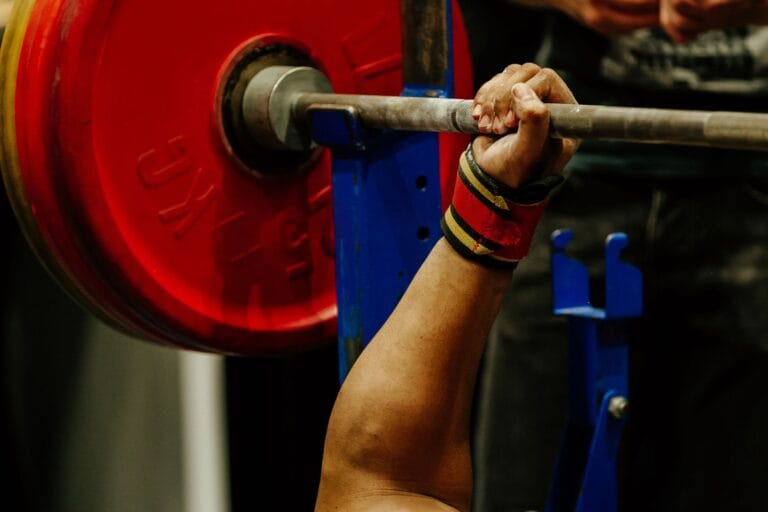
While many people spend a fortune on complicated supplements and biohacking gadgets, the most effective tool for long-term health is likely sitting in the corner of your local gym: the humble barbell. Strength training is no longer just for athletes or those looking to improve their appearance; it has become the gold standard for longevity. Experts now view muscle mass as a functional “savings account” that you invest in during your younger and middle years so that you have the physical capital to draw upon as you age. By moving away from the idea that exercise is just for burning calories and embracing it as a way to build a resilient frame, you are effectively buying the best insurance policy available for your future self.
Muscle as a Metabolic Powerhouse
For a long time, we viewed muscle simply as a way to move our bones from point A to point B. However, modern science has revealed that skeletal muscle is actually the body’s largest endocrine organ. When you engage in resistance training, your muscles release messenger molecules called myokines. These compounds travel through your bloodstream and help reduce systemic inflammation, which is the underlying cause of many age-related illnesses.
Beyond inflammation, muscle acts as a “metabolic sink” for glucose. After you eat a meal, your muscles are responsible for soaking up a huge portion of the sugar in your blood. The more lean muscle you have, the more efficiently your body can manage blood sugar levels. This is why strength training is such an effective tool for maintaining insulin sensitivity. It helps prevent the metabolic sludge that leads to weight gain and energy crashes, keeping your internal engine running smoothly for decades.
Sarcopenia: The Silent Thief of Independence
The biggest threat to a long, healthy life isn’t always a sudden illness; often, it is the slow, invisible loss of muscle mass known as sarcopenia. Starting as early as your thirties, the body begins to lose muscle at a rate of about 3% to 5% per decade if you aren’t actively working to maintain it. By the time someone reaches their seventies, they may have lost a significant portion of the strength they had in their prime.
This loss of power is what leads to the frailty. When you lose muscle, your balance becomes shaky, your joints lose their support, and the risk of a fall increases. In the world of longevity, a fall is often the event that begins a downward spiral in health. Building a foundation of strength now ensures that your body remains unbreakable. Strength training keeps your fibers thick and your nervous system responsive, allowing you to move with confidence and agility long after your peers have started to slow down.
Comparison: Strength vs. Traditional Cardio for Longevity
| Benefit | Resistance Training | Steady-State Cardio | The Winning Edge |
| Metabolic Rate | Increases resting metabolism | Increases calories burned during activity | Muscle burns more at rest |
| Bone Density | High (Mechanical loading) | Moderate to Low | Prevents osteoporosis better |
| Glucose Control | Excellent (Increases storage) | Good (Increases usage) | Better long-term sensitivity |
| Brain Health | High (Releases BDNF) | High (Increases blood flow) | Different pathways for growth |
| Functional Power | High (Explosive movement) | Low | Prevents falls and injury |
The Structural Reset: Bone Density and Joint Health
While many people worry that lifting weights will wear out their joints, the opposite is actually true. Bones are living tissues that follow a rule known as Wolff’s Law, which states that bone grows or remodels in response to the forces placed upon it. When you lift a heavy object, the tension on the bone encourages the body to lay down new minerals, making the bone denser and more resilient.
This is especially critical for preventing osteoporosis. Walking and swimming are great for the heart, but they don’t provide the level of mechanical stress required to build truly strong bones. Resistance training also strengthens the tendons and ligaments surrounding your joints. By building a suit of armor made of lean muscle, you take the pressure off your knees, hips, and lower back. This structural support is why people who lift weights often report fewer daily aches and pains than those who remain sedentary.
Brain Health and the Cognitive Connection
One of the most exciting areas of longevity research is the link between physical strength and brain function. Every time you lift a weight, your brain has to coordinate a complex series of electrical pulses to get your muscles to fire in the right order. This process maintains the health of your nervous system and helps preserve the white matter in your brain that typically shrinks as we get older.
Lifting weights also facilitates the release of Brain-Derived Neurotrophic Factor (BDNF). Scientists often call this Miracle-Gro for the brain because it supports the survival of existing neurons and encourages the growth of new ones. This is likely why studies consistently show that people with higher levels of grip strength and leg power tend to have better memory and a lower risk of cognitive decline. Your brain and your muscles are in a constant conversation; by keeping your body strong, you are essentially providing your mind with the hardware it needs to stay sharp.
How to Build Your Strength Without Burnout
The best part about using strength training as an insurance policy is that you don’t need to live in the gym. For the average person, two to three sessions a week of full-body movements can yield nearly all of the longevity benefits. The goal is to focus on movements that translate to real life—often called compound movements.
- Squatting: Essential for getting in and out of chairs and staying mobile.
- Hinging: Learning to pick things up from the floor using your hips, not your back.
- Pushing/Pulling: Maintaining the strength in your upper body to handle daily tasks and maintain posture.
- Carrying: Building “functional core strength” by walking with weights.
Instead of chasing a maximum weight, focus on gradual progression. Adding just a small amount of resistance or one extra repetition every few weeks is enough to initiate the positive adaptations your body needs. This steady, consistent approach is what builds the long-term resilience required for a healthy healthspan.
The ROI of Resistance: Why Start Now?
The return on investment (ROI) for strength training is highest when you start early, but the benefits are accessible at any age. Even ninety-year-olds in nursing homes have shown the ability to build new muscle and improve their walking speed after just a few weeks of simple resistance exercises.
When you invest in your strength, you are reducing your future healthcare costs. You are less likely to need physical therapy for a tweaked back, less likely to require medication for blood sugar management, and far more likely to enjoy your later years traveling, playing with grandkids, or pursuing hobbies. In a world where we spend so much time planning for our financial retirement, we often forget to plan for our physical retirement. Muscle is the currency that buys you freedom in your later years.
Related Articles
- The 15 High-Efficiency Exercises Personal Trainers Recommend When a Client’s Primary Goal Is Weight Loss
- The 30-Day Metabolic Pivot: 15 Exercise Signals That Force Your Body to Shed 10 Pounds (Without the Crash)
- The Superset Shortcut: How to Cut Your Workout Time in Half Without Losing a Single Gain
- Why the 2-2-2 Training Protocol Is the Secret to Building Muscle Without Destroying Your Joints After 40 and 50
- A Personal Trainer’s Way to Return to Exercise in Your 40s and 50s — That Has Nothing to Do With How You Trained Before