FREE SHIPPING OVER $50

Why Authentic Pasta Doesn’t Wreck Your Blood Sugar (Unlike the Carbs Most Americans Eat)

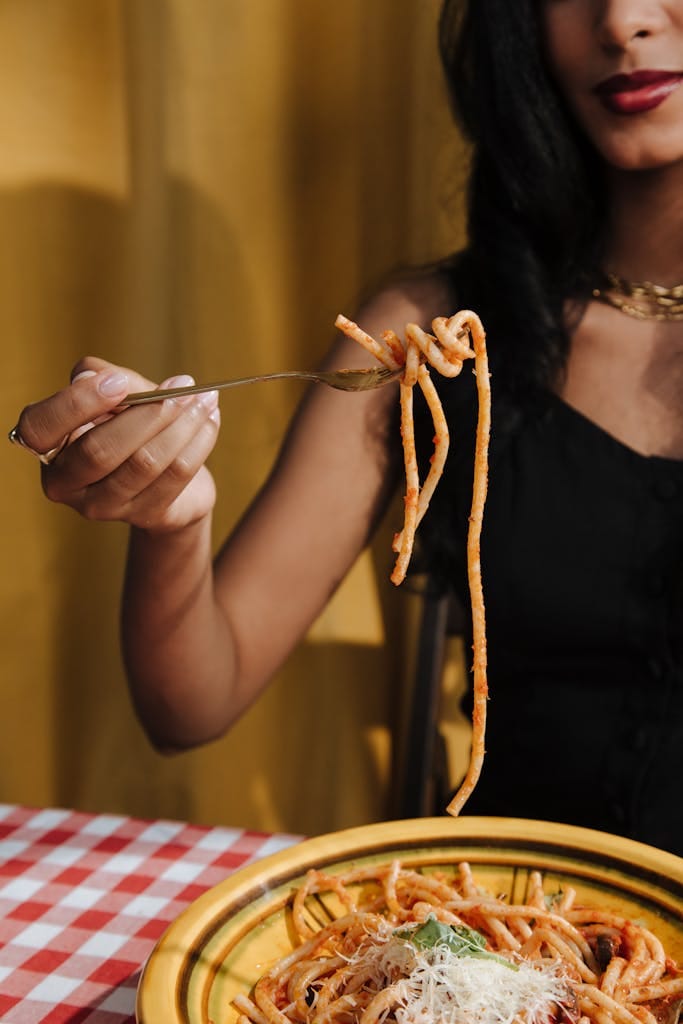
For decades, we’ve been told that pasta is a blood sugar villain—a simple carbohydrate bomb guaranteed to cause an insulin spike, promote fat storage, and generally undermine any weight loss efforts. For many people, this advice has led to a complete avoidance of one of the world’s most enjoyable foods. However, if you look at countries like Italy, where pasta is a staple, their rates of obesity and diabetes are significantly lower than in many other parts of the world. This paradox suggests we might have misunderstood the pasta problem entirely.
The reason authentic pasta doesn’t wreck your blood sugar is because of two key factors: quality and preparation. The difference between genuine, high-quality pasta and the processed, easy-cook carbs most people consume is massive—it’s a difference of cellular structure, cooking time, and resulting metabolic effect. Understanding this nutrition secret is the key to reintroducing a beloved food while protecting your metabolic health and achieving sustainable weight loss.
The Secret Ingredient: Durum Wheat Semolina and Gluten Matrix
The fundamental difference between authentic Italian pasta and many processed carbs common elsewhere lies in the ingredients and manufacturing processes.
Durum Wheat: The Key to Slow Digestion
Authentic Italian pasta is traditionally made exclusively from durum wheat semolina and water. Durum wheat is genetically different from the soft wheat used to make most bread and baked goods.
- The Difference: Durum wheat is high in protein and gluten, and when milled into semolina, it produces a dense, hard granule. This density is crucial because it creates a robust gluten-protein matrix that surrounds the starch molecules during manufacturing.
- The Metabolic Benefit: When you cook this authentic pasta, this dense starch-protein matrix acts like a physical barrier, making it much harder for your digestive enzymes to access and break down the starch into glucose. This slows down the rate at which sugar enters the bloodstream, preventing the sharp blood sugar spike seen with rapidly digested carbs.
The Al Dente Effect: Preparation is Everything
Even if you buy authentic pasta, you can ruin its blood sugar profile by overcooking it. The Italian concept of al dente (firm to the bite) is a powerful, non-negotiable nutrition secret.
Starch Retrogradation and the Glycemic Index
The structure of the starch itself changes during the cooking and cooling process.
- Overcooked Pasta: When pasta is cooked until it is soft and mushy, the starch molecules become fully gelatinized. This means the protective gluten-protein matrix breaks down, exposing all the starch for rapid breakdown into glucose. This is what wrecks your blood sugar.
- Al Dente Pasta: When pasta is cooked al dente, the center remains firm. The starch molecules in that core remain partially crystalline and resistant to immediate digestion. This resistant starch takes much longer to break down.
- The Benefit: Studies show that cooking pasta al dente can significantly lower its Glycemic Index (GI)—the measure of how quickly a food spikes blood sugar. This controlled digestion means a slower, steadier release of energy and less strain on your insulin response, promoting better metabolic health.
The Americanized Carb Problem: The Fluffy, Fast-Digesting Culprits
In contrast to authentic pasta, many processed carbs are engineered for speed and fluffiness, which is the exact opposite of what your metabolic health needs.
1. Ultra-Processed Flours
Most commercially mass-produced carbs (white bread, crackers, sugary cereals) use highly refined, soft wheat flour.
- The Issue: This fine flour lacks the protective structure of durum semolina. The starch is so finely ground and exposed that enzymes break it down instantly. This results in an immediate glucose flood, causing the sharp insulin spike linked to fat storage and eventually insulin resistance and diabetes.
2. The Ingredient Overload
Many processed carbs add ingredients that accelerate blood sugar absorption.
- The Sabotage: These often contain added sugar (even savory items), hydrogenated oils, and emulsifiers, making the final product hyper-palatable and easy to overeat. The lack of fiber and high load of refined starch ensures maximal blood sugar response.
3. The Lack of Cooling Time
Cooling cooked carbs is another powerful trick that many nutrition experts advocate.
- Starch Retrogradation: When pasta or potatoes are cooked al dente and then refrigerated, the resistant starch structure becomes even more rigid—a process called starch retrogradation. Reheating the pasta only slightly breaks down this rigid structure.
- The Benefit: Eating cooled or reheated pasta results in an even lower blood sugar response than eating it fresh off the stove, providing a remarkable longevity and weight loss hack.
The Ultimate Pasta Fix: Building a Blood Sugar-Friendly Meal
No carb, even al dente pasta, should be eaten alone if you are serious about metabolic health and weight loss. Authentic Italian nutrition doesn’t view pasta as the entire meal; it’s the backdrop to other, protective ingredients.
The Pasta Pairing Principle
To prevent the blood sugar spike, you must pair the carbohydrate with fiber, fat, and protein.
| Protective Ingredient | Why It Works | Example Pairing |
| Fiber (Vegetables) | Slows gastric emptying and buffers glucose absorption. | Pasta Primavera with broccoli, spinach, and zucchini. |
| Protein (Meat, Beans) | Requires more time for digestion, moderating the GI response. | A small serving of pasta with lean meat sauce (Bolognese) or lentils. |
| Fat (Olive Oil, Nuts) | Coats the food particles, further slowing digestion and absorption. | Pesto sauce (basil, nuts, olive oil) or a simple olive oil and garlic sauce. |
- The Rule of Thumb: Authentic Italian pasta portions are typically small (around 2 ounces of dry pasta), and the meal is dominated by the sauce, vegetables, and protein. This combination effectively blunts the blood sugar rise.
Conclusion
The reason authentic pasta doesn’t wreck your blood sugar is not magical; it’s scientific. It comes down to the dense, high-protein durum wheat semolina and the non-negotiable cooking rule of al dente. This creates a protective matrix that ensures a slow, steady release of glucose—a stark contrast to the rapid, inflammatory spikes caused by highly processed carbs. By choosing authentic pasta, cooking it firmly al dente, prioritizing modest portion sizes, and pairing it with protective fats, fiber, and protein, you can fully enjoy this classic food while maintaining optimal metabolic health and furthering your weight loss and longevity goals.
Related Articles
- Want Better Sleep and Faster Fat Burn? Here’s the Exact Time to Eat Avocado
- Stop Fearing Fruit: 5 Science-Backed Reasons Diabetics Can Eat It Daily Without Spiking Blood Sugar
- Struggling With Blood Sugar? These 5 Whole Grains Help Reverse Insulin Resistance Naturally
- Over 50? These 10 ‘Healthy’ Breakfast Foods Are Quietly Spiking Your Blood Sugar
- Tired Eyes? These 14 Foods Fight Eye Strain and Protect Your Vision—Backed by a Dietitian