FREE SHIPPING OVER $50

The One Nut That Rewires Your Gut Bacteria, Slashes Inflammation, and Protects Your Heart (It’s Not Walnuts)

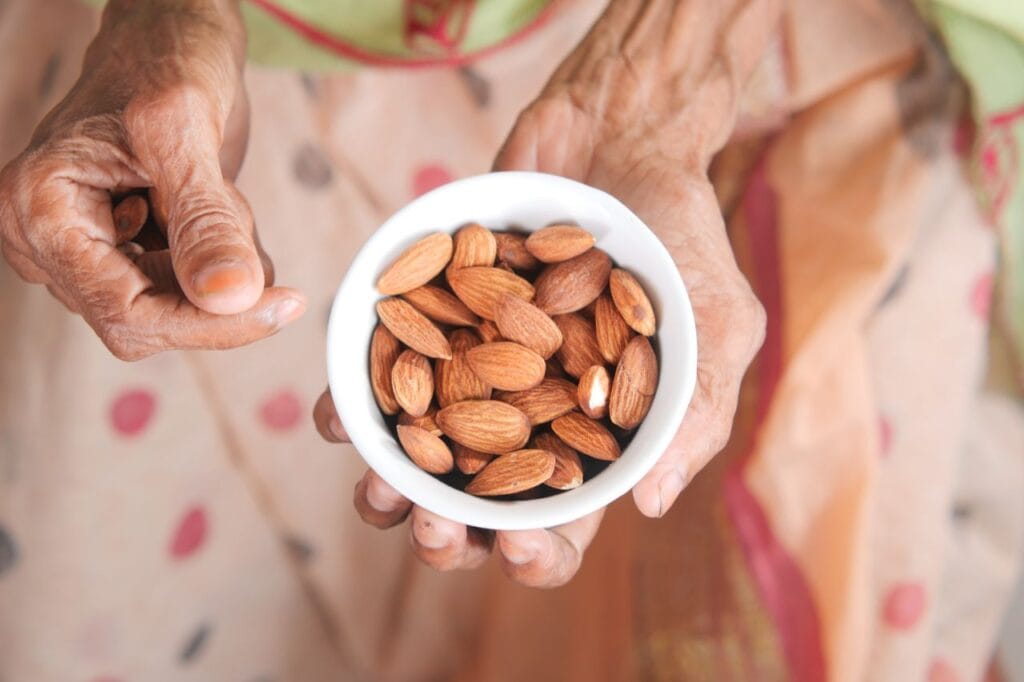
Walnuts get all the glory—brain shape, brain benefits, the whole package. But while everyone’s been soaking them overnight and tossing them into oatmeal, a quiet stack of new research has been painting a much more surprising picture of another nut: the almond. It turns out this pantry afterthought does far more than just satisfy a midday crunch. It actively reshapes your gut microbiome, punches down LDL cholesterol, and sets off a chain reaction that touches your heart, your skin, and even your longevity—without ever asking for the spotlight. Here’s exactly what happens when you start taking almonds seriously.
The Secret Champion Hiding in Plain Sight
For years, nutrition headlines nudged everyone toward walnuts because of their high plant-based omega-3 content. Walnuts are certainly healthy, but recent gut microbiome research shows that almonds actually take the crown for deep cellular repair.
When you chew a handful of whole almonds, you are not just eating a quick snack. You are delivering a precise combination of dietary fiber, unique polyphenols, and healthy fats directly to your digestive tract.
Unlike many snacks that break down completely in your stomach, almonds travel deeper into your digestive system. That journey allows them to feed beneficial microbes in your lower intestine that other foods simply miss.
How Almonds Rewire Your Gut Bacteria
Your gut hosts trillions of tiny organisms that influence everything from your mood to your immune system. To keep the good bacteria happy, you need to feed them prebiotics, which are non-digestible fiber compounds that act as fuel for friendly microbes.
Almonds excel at this task because of their structural build. The tough cell walls of the nut hold onto fiber until it reaches your colon. Once there, friendly gut bacteria ferment this fiber and produce powerful short-chain fatty acids, most notably a compound called butyrate.
Butyrate is the preferred fuel source for the cells lining your colon. When your body produces enough butyrate, several remarkable health changes occur:
- Stronger Gut Barrier: Butyrate tightens the junctions between intestinal cells, helping prevent “leaky gut” where unwanted food particles enter your bloodstream.
- Microbial Balance: It lowers the pH level inside your colon, creating an environment where good bacteria like Bifidobacteria flourish while harmful pathogens struggle to survive.
- Smoother Digestion: It reduces bloating and promotes regular bowel movements by keeping your intestinal lining hydrated and healthy.
The brownish skin on the almond is especially important here. Almond skins contain rich concentrations of flavonoids and phenolic acids. When these compounds combine with dietary fiber, they double the prebiotic impact on your digestive system.
The Ripple Effect: Slashes Inflammation Throughout the Body
Inflammation is your body’s natural defense mechanism, but chronic, low-grade inflammation damages healthy tissues over time. It accelerates aging and drives common chronic diseases.
Almonds fight systemic inflammation through two main pathways.
First, by repairing your gut wall with butyrate, almonds stop toxic bacterial byproducts known as lipopolysaccharides (LPS) from leaking into your bloodstream. When LPS leaks out, your immune system sound alarms, triggering chronic inflammation. A strong gut barrier stops this process before it even starts.
Second, almonds are one of the richest natural sources of alpha-tocopherol, the most biologically active form of Vitamin E. Just one single ounce of almonds delivers nearly 50% of your recommended daily Vitamin E intake.
Vitamin E acts like a protective shield for your cell membranes. It neutralizes free radicals—unstable molecules that cause oxidative stress—before they can inflame your joints, blood vessels, and organs. Clinical studies show that adults who consume almonds daily show significant drops in C-reactive protein (CRP), a key marker doctor check to measure body-wide inflammation.
Protecting Your Heart Beyond Basic Cholesterol
When people think about heart health, they usually focus entirely on lowering total cholesterol. However, modern cardiology reveals that the quality and stability of your cholesterol matter far more than the total number alone.
LDL cholesterol becomes dangerous primarily when it oxidizes. Oxidized LDL turns sticky and adheres to artery walls, forming plaque buildup that restricts blood flow.
The high concentration of Vitamin E and polyphenols in almonds surrounds LDL particles in your bloodstream, acting like a rust-proof coating that stops oxidation in its tracks.
Almonds also protect your cardiovascular system in three distinct ways:
- Flexible Blood Vessels: Almonds contain high amounts of the amino acid L-arginine, which your body converts into nitric oxide. Nitric oxide relaxes and widens blood vessels, allowing blood to flow easily and reducing strain on your heart.
- Magnesium Power: A single serving provides almost 20% of your daily magnesium needs. Magnesium relaxes heart muscle tissue and helps maintain a steady, normal cardiac rhythm.
- Healthy Fat Balance: Almonds are packed with monounsaturated fats—the exact same heart-healthy fats found in extra virgin olive oil. These fats help raise beneficial HDL cholesterol while clearing out harmful fats.
Almonds vs. Walnuts: The Head-to-Head Showdown
Both nuts deserve a spot in your pantry, but they serve different primary functions in your body. Walnuts dominate when it comes to plant-based omega-3 fatty acids (ALA), which support brain health. Almonds win comfortably when it comes to gut microbial diversity, fiber density, and skin protection.
| Nut Nutrient Profile (Per 1 oz / 28g Serving) | Whole Raw Almonds | Raw Walnuts |
| Dietary Fiber | 3.5 grams | 1.9 grams |
| Vitamin E (Alpha-tocopherol) | 7.3 mg (48% DV) | 0.7 mg (5% DV) |
| Magnesium | 76 mg (18% DV) | 44 mg (11% DV) |
| Protein | 6 grams | 4.3 grams |
| Primary Gut Benefit | High Butyrate & Prebiotic Fiber | Moderate Microflora Support |
| Primary Cardiovascular Impact | Reduces LDL Oxidation & CRP | Reduces Blood Pressure & Triglycerides |
While walnuts offer great omega-3 support, almonds give your gut bacteria far more material to build a resilient digestive lining.
The 1-Ounce Daily Protocol: How to Eat Them for Maximum Benefit
To unlock the full gut-rewiring and heart-protecting power of almonds, consistency matters far more than quantity. You do not need to eat pounds of nuts to see real health improvements.
The ideal science-backed daily target is 1 ounce, which translates to roughly 23 whole almonds or one small handful.
Here is how to get the most benefit out of every single almond:
- Eat the Skins: Never buy blanched almonds with the skins removed. The brown outer skin contains over 80% of the nut’s total antioxidant flavonoids.
- Choose Raw or Dry-Roasted: Avoid nuts roasted in commercial vegetable oils like canola, soybean, or cotton-seed oil. High heat and cheap oils can damage the delicate healthy fats inside the nut.
- Chew Thoroughly: Chewing almonds well breaks down their tough cell walls, releasing more beneficial fats, Vitamin E, and minerals for your body to absorb.
- Try Soaking Them: If you have sensitive digestion, soak raw almonds in water overnight. Soaking breaks down phytic acid, making the nutrients even easier for your gut to pull in.
3 Common Mistakes That Cancel Out the Benefits
It is easy to turn a healthy superfood into an inflammatory snack if you buy the wrong products at the grocery store.
- Buying Sugar-Coated or Candied Almonds: Glazed, honey-roasted, or chocolate-covered options dump unnecessary refined sugars into your system. High sugar intake feeds harmful gut yeast and completely negates the anti-inflammatory benefits of the nut.
- Relying Solely on Commercial Almond Milk: Most store-bought almond milk contains less than 2% actual almonds by volume. The rest is mostly water, gums, and emulsifiers. You miss out on all the fiber and polyphenols that rewire your gut bacteria.
- Storing Them in Hot Places: The monounsaturated fats in almonds can spoil if left near a hot stove or in direct sunlight. Keep your almonds in a sealed glass jar in your pantry or refrigerator to preserve their freshness and delicate antioxidants.
Related Articles
- Stop Feeling Guilty—These 8 “Cheat Day” Snacks Are Scientifically Proven to Burn Belly Fat (Yes, That Chocolate Bar Counts)
- Stop Making These 6 Mistakes If You Want to Lose Weight—Experts Explain Why
- Is Phenylalanine Secretly Sabotaging Your Diet? Here’s the Truth
- Top FODMAP-Friendly Protein Powders and Meal Replacements You Need Now
- Try These 5 High-Protein Smoothie Ingredients Instead of Protein Powder