FREE SHIPPING OVER $50
The Cretan Breakfast Secret: What 100-Year-Old Grandmothers Eat Every Morning—And Why Americans Won’t Try It

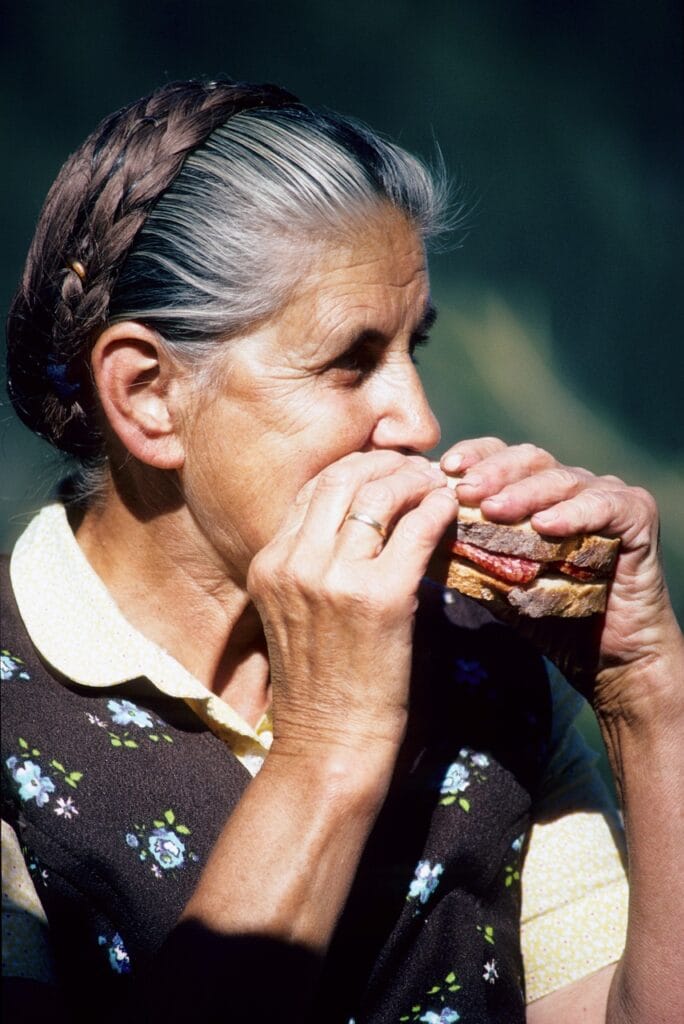
If you step into a stone kitchen in the high mountains of Crete at seven in the morning, you will not find sugary cereals, processed bacon, or frosted pastries sitting on the table. Instead, you will see a 100-year-old grandmother pouring raw, golden olive oil over a piece of rock-hard barley bread and sipping a steaming mug of bitter wild herbal tea. For decades, researchers studying the world’s famous Blue Zones have obsessively tracked what centenarians eat for dinner, yet their secret morning ritual remains the true foundation of their legendary longevity.
What Is the Traditional Cretan Longevity Breakfast?
While modern morning routines focus on speed and sweet flavors, the traditional morning meal on the island of Crete revolves around nutrient density, raw plant compounds, and healthy fats. Centenarians in Cretan villages do not view breakfast as a treat or a quick sugar rush. Instead, they treat their first meal of the day as functional medicine that fuels physical labor and protects their cardiovascular systems.
A classic Cretan breakfast consists of five fundamental staples:
- Double-Baked Barley Rusks (Paximadia): Ancient barley bread baked twice until completely moisture-free. This dense bread provides rich complex fiber and slow-burning carbohydrates that keep blood sugar level for hours.
- Polyphenol-Rich Extra Virgin Olive Oil: Rather than butter or processed spreads, Cretan grandmothers pour two to three tablespoons of raw, unheated extra virgin olive oil directly over their soaked rusks.
- Wild Foraged Greens (Horta): Dandelions, wild chicory, mustard greens, or stamnagathi gathered from mountain hillsides, briefly steamed or eaten raw with lemon juice.
- Wild Mountain Herbal Tea (Malotira or Sideritis): Whole-leaf herbal brews harvested from higher elevations, drank hot without refined sugar, or lightly sweetened with raw thyme honey.
- Fresh Sheep or Goat Milk Dairy: Small portions of fermented sheep milk yogurt or soft, tangy xynomyzithra cheese, rich in natural probiotics and healthy fatty acids.
The Science: Why This Morning Combo Prevents Disease
The extraordinary health of Cretan elders first captured global scientific attention during the famous Seven Countries Study led by Dr. Ancel Keys. Researchers discovered that middle-aged men living on the island of Crete had the lowest rates of heart disease and the highest life expectancy of any group studied, despite having limited access to modern medical centers.
The magic of their breakfast lies in the synergistic interplay between raw olive oil, wild bitters, and unrefined grains:
- Polyphenol Protection: Cold-pressed olive oil contains oleocanthal and oleacein, powerful natural anti-inflammatory compounds that mimic the cellular effects of low-dose ibuprofen while reducing arterial plaque.
- Autophagy Activation: Bitter compounds found in wild greens like dandelion and chicory stimulate liver detoxification pathways and activate AMPK, an enzyme that triggers cellular repair and waste removal.
- Zero Blood Sugar Spikes: Traditional barley rusks boast an extremely low glycemic index. Unlike refined white flour or corn cereal, barley releases glucose gradually, preventing insulin surges that drive metabolic fatigue.
- Microbiome Diversity: The combination of prebiotic plant fibers from wild greens and probiotic bacteria from raw sheep yogurt nourishes Akkermansia muciniphila, a gut bacterium essential for metabolic health.
| Breakfast Element | Traditional Cretan Breakfast | Typical Western Breakfast | Health Impact |
| Primary Carbohydrate | Twice-baked barley rusks | Sugary cereal or white bagel | Slow-release energy vs. rapid insulin spike |
| Healthy Fat Source | Raw extra virgin olive oil | Butter, margarine, or bacon grease | Reduced arterial inflammation vs. saturated fat overload |
| Morning Beverage | Wild mountain tea (Sideritis) | Sweetened coffee or orange juice | High antioxidant protection vs. excess liquid sugar |
| Produce Integration | Bitter wild greens (Horta) | None | Enhanced liver detox vs. zero morning fiber |
| Dairy Component | Fermented sheep milk cheese | Processed cow milk cheese or creamer | Probiotic gut support vs. potential digestive stress |
Why Modern Palates Struggle to Embrace the Cretan Morning
Despite the overwhelming medical evidence proving that this morning routine extends lifespan and protects brain health, most people raised on modern diets find the Cretan breakfast difficult to adopt. Understanding these barriers explains why such a powerful longevity secret remains widely ignored.
1. The Bitter Taste Barrier
The modern food landscape conditions our taste buds to crave high-sugar, high-salt combinations. Wild greens like chicory and dandelion contain naturally bitter alkaloids. While these bitter molecules trigger bile production and lower inflammation, people accustomed to sweet morning pastries often find them unpalatable.
2. Textural Misunderstandings
Barley rusks (paximadi) are intentionally baked until rock-hard so they can store for months without preservatives. You cannot bite into a fresh rusk directly without softening it first in water, tomato juice, or olive oil. For individuals used to soft, pillow-like breads, the dense, chewy texture of soaked barley feels unfamiliar.
3. The Convenience Trap
Boiling fresh wild greens, brewing loose mountain herbs, and assembling real whole foods takes ten to fifteen minutes of deliberate morning prep. In a fast-paced culture reliant on drive-thru coffee windows and pre-packaged breakfast bars, taking time to prepare a slow, nutrient-dense plate requires a total mindset shift.
How to Adapt the Cretan Longevity Breakfast at Home
You do not need to forage wild herbs on a Greek hillside to capture the longevity benefits of this traditional meal. You can easily adapt these principles using accessible ingredients from your local grocery store:
- Swap White Bread for Whole Barley or Sourdough: Look for double-baked barley rusks at international markets, or pick up a thick slice of sprouted whole-grain sourdough bread. Toast it well so it can absorb olive oil without getting soggy.
- Drizzle, Don’t Spread: Ditch processed butter spreads. Instead, pour two tablespoons of high-quality, cold-pressed extra virgin olive oil over your toasted bread, along with a pinch of sea salt and dried oregano.
- Add Bitter Morning Greens: Sauté a handfull of fresh dandelion greens, baby spinach, or arugula in a pan with lemon juice and garlic for three minutes, then serve them alongside your toast.
- Switch Coffee for Greek Mountain Tea: Replace sugary lattes with hot Greek mountain tea (Sideritis), loose-leaf sage, or chamomile. If you need sweetness, add half a teaspoon of raw, unpasteurized honey.
- Choose Authentic Full-Fat Dairy: Replace sweet fruit-flavored yogurts with plain, full-fat Greek yogurt made from sheep or goat milk, or enjoy a small wedge of real feta cheese.
The Long-Term Longevity Payoff
Switching from a high-sugar, processed morning meal to a nutrient-rich, Mediterranean-inspired breakfast yields visible health upgrades within weeks. By eliminating morning sugar spikes, you prevent the mid-morning energy crash that leads to brain fog and unwanted cravings. Over months and years, reducing systemic inflammation protects your blood vessels, sharpens cognitive function, and strengthens your gut microbiome.
Centenarians on the island of Crete do not live past 100 by accident or by relying on complex medical interventions. Their extraordinary lifespans stem from consistent, daily choices rooted in real, unrefined foods. Embracing even a portion of their morning secret offers a simple, time-tested strategy to protect your health for decades to come.
Related Articles
- How One Woman Reversed 10 Years of Aging With These 2 Lifestyle Tweaks
- Best Serums for Dark Spots: Dermatologist-Recommended Picks to Transform Your Skin
- The Perfect Diet Plan Doesn’t Exist, But This Comes Close
- 9 Habits That Are Making Your Skin Age Faster Than It Should
- The 10 K-Beauty Trends Everyone Over 40 Should Be Using for Firmer, Plumper Skin