FREE SHIPPING OVER $50

The “Almond Trick”: Why Eating 6 Nuts Before Bed Is Better Than Melatonin

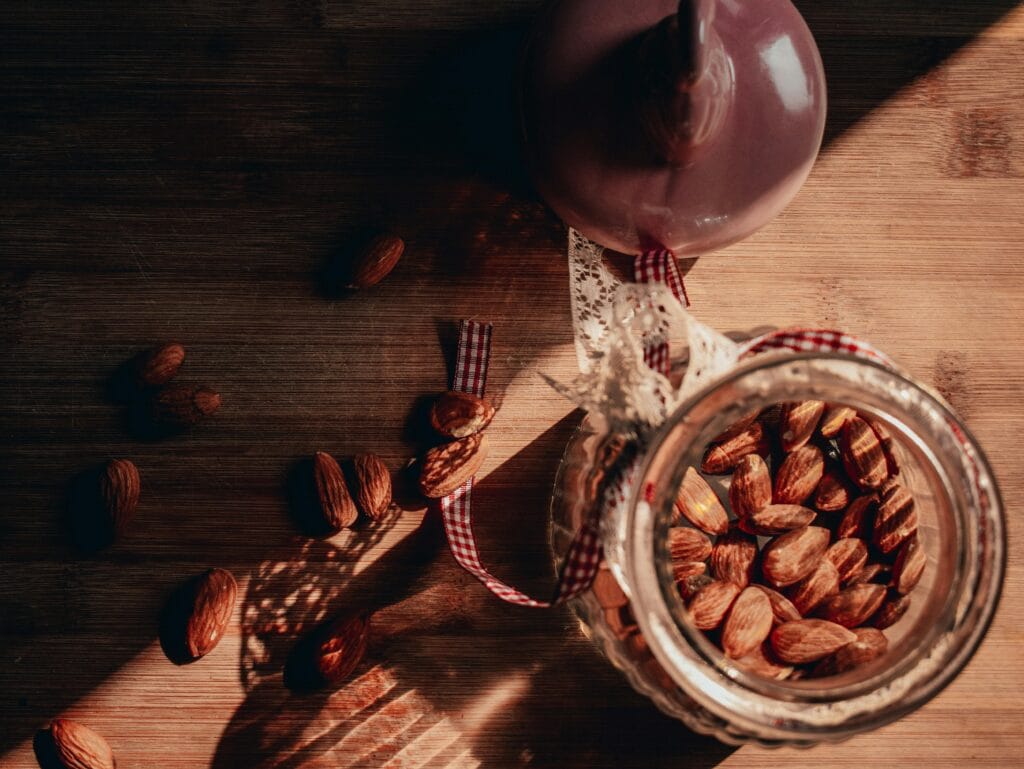
Sleep has become the ultimate luxury. In a world of blue light, endless scrolling, and high-stress schedules, many Americans find themselves staring at the ceiling at 2:00 AM. While the go-to solution for many is a bottle of melatonin, a growing number of nutritionists and biohackers are pointing toward the pantry instead of the medicine cabinet. Specifically, they are looking at the humble almond.
The “Almond Trick” is simple: eating a small handful—roughly six to ten nuts—about thirty to sixty minutes before you hit the pillow. It sounds too simple to be true, but the chemistry behind this snack suggests it might be more effective, and certainly more sustainable, than synthetic sleep aids.
The Problem with the Melatonin Habit
Melatonin is a hormone your brain produces naturally in response to darkness. However, taking it in pill form isn’t always the “natural” fix it’s marketed to be. Many over-the-counter supplements contain doses far higher than what your body actually needs.
- Hormonal Dependency: Over-reliance on synthetic melatonin can potentially signal your brain to produce less of its own.
- The “Hangover” Effect: Many users report feeling groggy, foggy, or irritable the next morning.
- Vivid Nightmares: High doses of melatonin are notorious for causing intense, often stressful dreams.
Almonds offer a different path. Instead of forcing a massive dose of hormones into your system, they provide the raw building blocks your body needs to manufacture its own sleep signals.
The Science of the Almond Trick
So, why almonds? These nuts are essentially a biological “sleep kit” wrapped in a crunchy shell. They contain a specific combination of minerals and amino acids that directly influence the quality of your rest.
1. Magnesium: The Natural Relaxant
Almonds are one of the best sources of magnesium. This mineral is responsible for over 300 biochemical reactions in the body, but its most famous role is as a muscle relaxant. Magnesium helps lower cortisol levels, the “stress hormone” that keeps you alert when you should be winding down.
2. Tryptophan and Protein
You probably associate tryptophan with your post-Thanksgiving turkey coma. Almonds contain this amino acid, which the brain uses to produce serotonin and, eventually, natural melatonin. The small amount of protein in almonds also prevents blood sugar spikes that might wake you up in the middle of the night.
3. Healthy Fats for Stability
Almonds are rich in monounsaturated fats. These fats provide a slow-burning energy source that keeps your blood glucose stable while you sleep. When your blood sugar drops too low at night, your body releases cortisol to bring it back up—which often results in a sudden, wide-awake moment at 3:00 AM.
| Nutrient | Function in Sleep |
| Magnesium | Relaxes muscles and reduces cortisol. |
| Tryptophan | Precursor to serotonin and natural melatonin. |
| Fiber | Slows digestion for stable overnight energy. |
| Phosphorus | Supports cellular repair while you rest. |
How the Almond Trick Outperforms Supplements
When you take a pill, you get a spike and a crash. When you eat a handful of almonds, you get a slow, steady release of nutrients. This “time-release” effect is why many find the sleep they get from almonds feels deeper and more restorative.
Furthermore, almonds address the physical tension that melatonin ignores. Melatonin tells your brain it’s nighttime, but it doesn’t do anything to relax a tight neck or restless legs. The magnesium in almonds works on the physical body, easing the physical restlessness that often prevents people from falling asleep in the first place.
Making the Most of Your Bedtime Snack
To maximize the benefits of the Almond Trick, you shouldn’t just grab a bag of salt-heavy, roasted nuts while watching an action movie. Technique and quality matter.
- Choose Raw or Dry-Roasted: Avoid nuts roasted in inflammatory vegetable oils like canola or soybean oil, as these can cause indigestion.
- Watch the Salt: Excess sodium can lead to water retention and mid-night thirst, which interrupts sleep.
- The Power of Six: You don’t need a whole bag. Six to ten almonds provide enough magnesium to assist sleep without adding excessive calories.
- Timing is Key: Consume your almonds about 45 minutes before bed. This gives your digestive system enough time to start processing the nutrients without making you feel “stuffed.”
Complementing the Almond Trick
While almonds are powerful, they work best as part of a broader “sleep hygiene” strategy. If you eat your almonds but then spend an hour on a bright smartphone, you are fighting a losing battle.
- Dim the Lights: As you eat your snack, turn down the overhead lights. This encourages your pineal gland to start its natural melatonin production.
- Temperature Control: Your body temperature needs to drop slightly to initiate deep sleep. Aim for a room temperature around 65 to 68 degrees Fahrenheit.
- Hydration Balance: Sip a small amount of water with your almonds, but don’t overdo it, or you’ll be waking up for bathroom trips.
Are There Any Side Effects?
Unlike supplements, the side effects of almonds are generally positive. You might notice improved digestion due to the fiber or better skin health from the Vitamin E. However, if you have a history of kidney stones, you should talk to a doctor before significantly increasing your almond intake, as they are high in oxalates.
For the vast majority of people, switching from a synthetic pill to a handful of nuts is a safe and effective way to reclaim their nights. It’s a low-cost, high-reward habit that fits easily into any evening routine.
Conclusion
The “Almond Trick” is a nutrition-based approach to a common biological problem. By providing your body with magnesium, tryptophan, and healthy fats, you are supporting the natural sleep cycle rather than trying to override it with synthetic hormones. While melatonin has its place for jet lag or short-term shifts, the long-term health benefits of choosing a nutrient-dense snack like almonds are hard to beat. Tonight, skip the pill bottle, head to the kitchen, and see what a handful of almonds can do for your rest.
Related Articles
- The “Cardio Trap”: Why Your Treadmill is Stalling Your Fat Loss (And the Superfood That Fixes It)
- Forget Calorie Counting: The 14-Day ‘Metabolic Switch’ That Finally Melted My Stubborn Belly Fat
- The Ultimate Seed Showdown: I Ate Hemp Seeds vs Chia Seeds For 30 Days—The Weight Loss Winner SHOCKED My Doctor
- Why Authentic Pasta Doesn’t Wreck Your Blood Sugar (Unlike the Carbs Most Americans Eat)
- Want Better Sleep and Faster Fat Burn? Here’s the Exact Time to Eat Avocado