FREE SHIPPING OVER $50

Stop Wasting Money: Dermatologists Say This One Bedroom Mistake Ages Your Face 10 Years Overnight

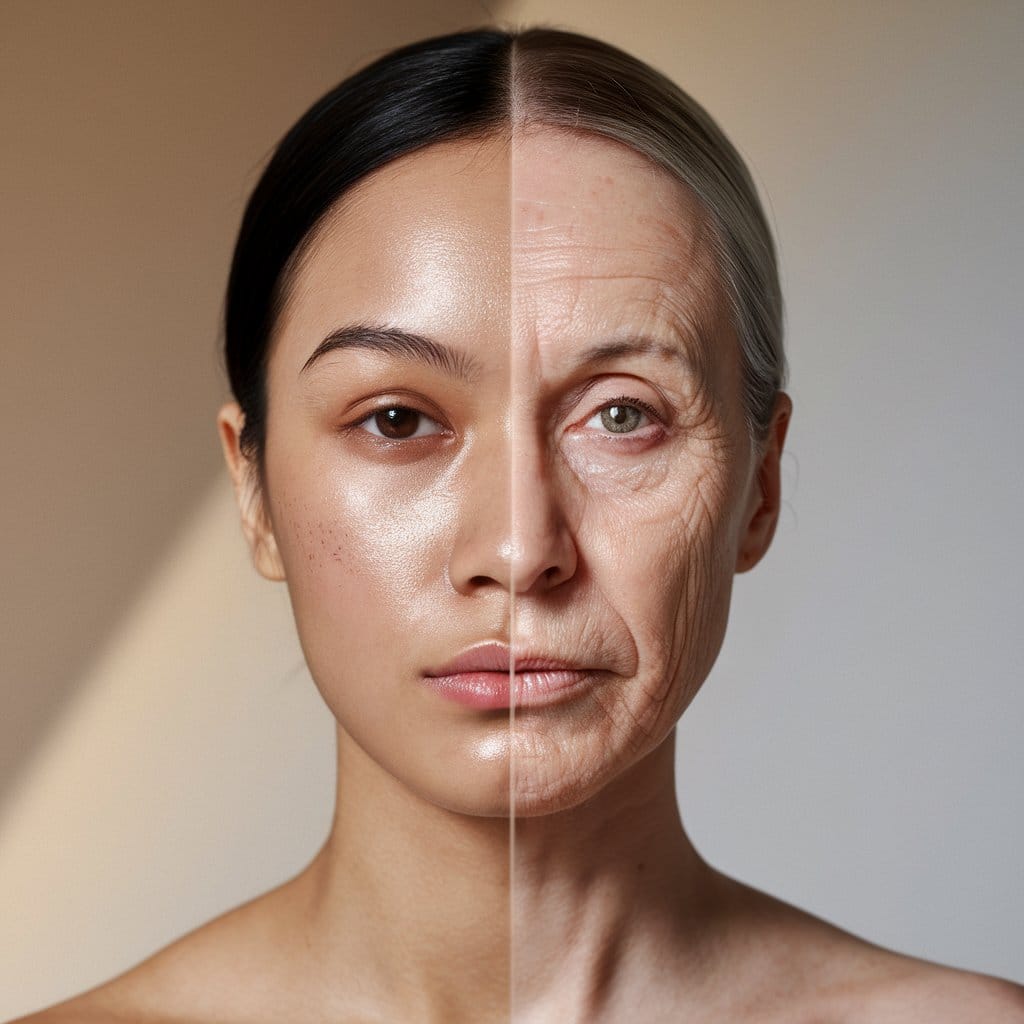
We invest heavily in our anti-aging routine: expensive serums, high-tech treatments, and dedicated skincare regimens. Yet, many of us are sabotaging all that effort and literally aging our face while we sleep—the very time our skin is supposed to be regenerating. Dermatologists are pointing to a single, pervasive bedroom mistake that not only wastes the money you spend on skincare products but also actively creates lines, folds, and creases that deepen into permanent wrinkles over time.
The bedroom mistake that ages your face 10 years overnight is the type of pillowcase you are sleeping on and the way you sleep. This isn’t about cleanliness; it’s about friction, pressure, and absorption. This seemingly minor detail causes a visible phenomenon known as “sleep wrinkles,” which are distinct from expression lines. Understanding how to fix this simple error is the key to protecting your investment in skincare, boosting your anti-aging results, and ensuring your skin repairs itself effectively every single night.
The Fatal Flaw: The Cotton Pillowcase and Sleep Position
The mistake lies in the combination of sleeping on a cotton pillowcase and consistently sleeping on your side or stomach.
1. The Cotton Conundrum (Friction and Absorption)
The typical cotton pillowcase is highly absorbent and has a coarse weave, even if it feels soft to the touch.
- Friction: As you move your head throughout the night, the rough fibers of cotton create friction against the delicate skin of your face. This constant pulling and tugging breaks down collagen and elastin fibers, which are the support structures that keep your skin smooth and firm. This leads to exacerbated sleep wrinkles and overall skin irritation.
- Absorption: Cotton aggressively wicks moisture and products away from your skin. When you apply expensive serums and night creams, the cotton pillowcase absorbs a significant portion of the active ingredients within minutes, effectively throwing your product investment down the drain.
2. The Side-Sleeper Crease (Compression)
When you sleep on your side or stomach, you spend hours pressing your face against the pillow.
- Compression: This sustained pressure creates vertical and diagonal folds on your face (forehead, cheek, and around the eyes and mouth). Unlike expression lines, which form perpendicular to the muscle movement, sleep wrinkles are parallel to the direction of the pressure. Over time, this compressive force becomes etched into the skin, deepening into permanent lines that add years to your appearance. Dermatologists can often tell which side you sleep on just by looking at the intensity of these creases.
The Anti-Aging Fix: The Silk/Satin Pillowcase Swap
The simple, immediate solution dermatologists recommend for fixing this bedroom mistake is swapping your cotton pillowcase for one made of silk or satin.
Why Silk/Satin Stops Aging
Silk and satin (a synthetic alternative to silk) have a tightly woven structure with smooth fibers.
- Zero Friction: The smooth texture allows your face to glide effortlessly across the pillow, even when you toss and turn. This dramatically reduces the friction and tugging that breaks down collagen, thereby preventing the formation of sleep wrinkles.
- Zero Absorption: Silk and satin are non-absorbent. They allow your expensive skincare products to stay on your face and actually penetrate your skin as intended throughout the night. This maximizes your anti-aging investment.
3 Other Bedroom Mistakes That Steal Your Youth
While the pillowcase is the biggest culprit, there are three other common bedroom mistakes that sabotage your longevity and accelerate aging.
1. Sleeping in a Dehydrating Environment (The Humidifier Fix)
Dry indoor air, especially from heating systems in the winter, sucks moisture directly out of your skin while you sleep.
- The Damage: This causes trans-epidermal water loss (TEWL). When the skin barrier is dry, it appears dull, fine lines become instantly more noticeable, and the skin loses its natural plumpness. Chronic dehydration weakens the skin barrier, leading to sensitivity and inflammation—a key driver of aging.
- The Fix: Dermatologists often recommend placing a cool-mist humidifier in your bedroom during dry months. Maintaining a humidity level around 40-50% helps your skin retain moisture, keeping it plump and resilient overnight.
2. The Late-Night Screen Time Habit (The Blue Light Threat)
Exposing your skin to the blue light emitted by phones, tablets, and laptops right before sleep is a double-edged sword for aging.
- The Damage: Blue light (High-Energy Visible Light) can penetrate the skin deeper than UV rays, generating free radicals that damage collagen and elastin. Furthermore, blue light suppresses melatonin production, disrupting your sleep cycle.
- The Sleep-Aging Connection: Poor sleep spikes the stress hormone cortisol, which signals the body to break down collagen. Lack of quality sleep also reduces human growth hormone release, which is vital for skin cell repair and regeneration. This lack of repair time directly accelerates visible aging.
- The Fix: Implement a strict “no screens 60 minutes before sleep” rule. Use blue light filters on all devices and prioritize at least 7-8 hours of deep, quality rest.
3. Sleeping with Your Hair Down (The Pore Clogger)
If you use heavy hair products (oils, serums, sprays) and sleep with your hair spread out on the pillow, you are transferring those products directly onto your face.
- The Damage: Hair products contain ingredients that are not formulated for facial skin and can be highly comedogenic (pore-clogging). This often leads to breakouts, blemishes, and irritation along the hairline, cheeks, and forehead, creating chronic low-grade inflammation that damages collagen.
- The Fix: Secure your hair in a loose braid or a silk scrunchie before sleep. Always ensure your hair is pulled back and off your face to avoid transferring products and oils to your skin and pillowcase.
Maximizing Your Anti-Aging Investment
Fixing the bedroom mistake of the cotton pillowcase is a crucial first step, but dermatologists stress that it only works when combined with smart skincare timing.
Proper Product Application
Since silk and satin won’t absorb your products, you need to ensure they have enough time to sink into your skin before your head hits the pillow.
- The Rule: Apply your serums and heavy night creams at least 20 to 30 minutes before you get into bed. This allows the ingredients to penetrate the epidermis instead of smearing off onto the pillowcase. This simple timing adjustment stops wasting money on products that never reach their target.
Hydration is Non-Negotiable
While you’re fixing the external sleep environment, ensure you are hydrated internally.
- The Action: Drinking water throughout the day is fundamental. Dehydrated skin wrinkles more easily under pressure and friction. Proper hydration from the inside out helps the skin plump up and resist the compressive forces of side sleeping.
Conclusion
Dermatologists are clear: stop wasting money on creams only to sabotage their effectiveness every night. The bedroom mistake that can age your face by 10 years overnight comes from the friction of a cotton pillowcase combined with the compression of side sleeping. A simple anti-aging swap to a silk or satin pillowcase, paired with minimizing blue light exposure before bed and using a humidifier, protects collagen, maximizes the benefits of your skincare, and finally gives your skin the undisturbed time it needs to regenerate and slow visible signs of aging.
Related Articles
- Scientists Found a Natural ‘Kill Switch’ for Aging—Here’s How to Activate It
- He Couldn’t Climb Stairs at 60—6 Months of Bedroom Exercises Left Doctors Speechless
- Sick of Chronic Migraines? These 6 Yoga Moves + Breathwork Could Be Your Natural Relief
- Want to Look and Feel 17 Years Younger? These 15 Anti-Aging Hacks Are Backed by Science
- The Anti-Aging Habit Hidden in a Remote Village—Doctors Say It Rewinds Your Biological Clock